Archive date follows the original topic. Independently written and reviewed by idoghome on October 29, 2026.
The right dog for an older adult is rarely determined by age alone. Someone who walks several miles every morning may enjoy a very different companion from a person managing stairs, fatigue or an unpredictable medical schedule. Start with the life that exists now, including the difficult days.
A calm adult dog often deserves a place at the top of the shortlist. Their size is known, their exercise habits are easier to assess and a good foster home can describe their behaviour. A puppy brings interrupted sleep, house training, chewing and months of teaching. A small puppy is still a puppy, even when a breed description calls it gentle.
Make handling the first test
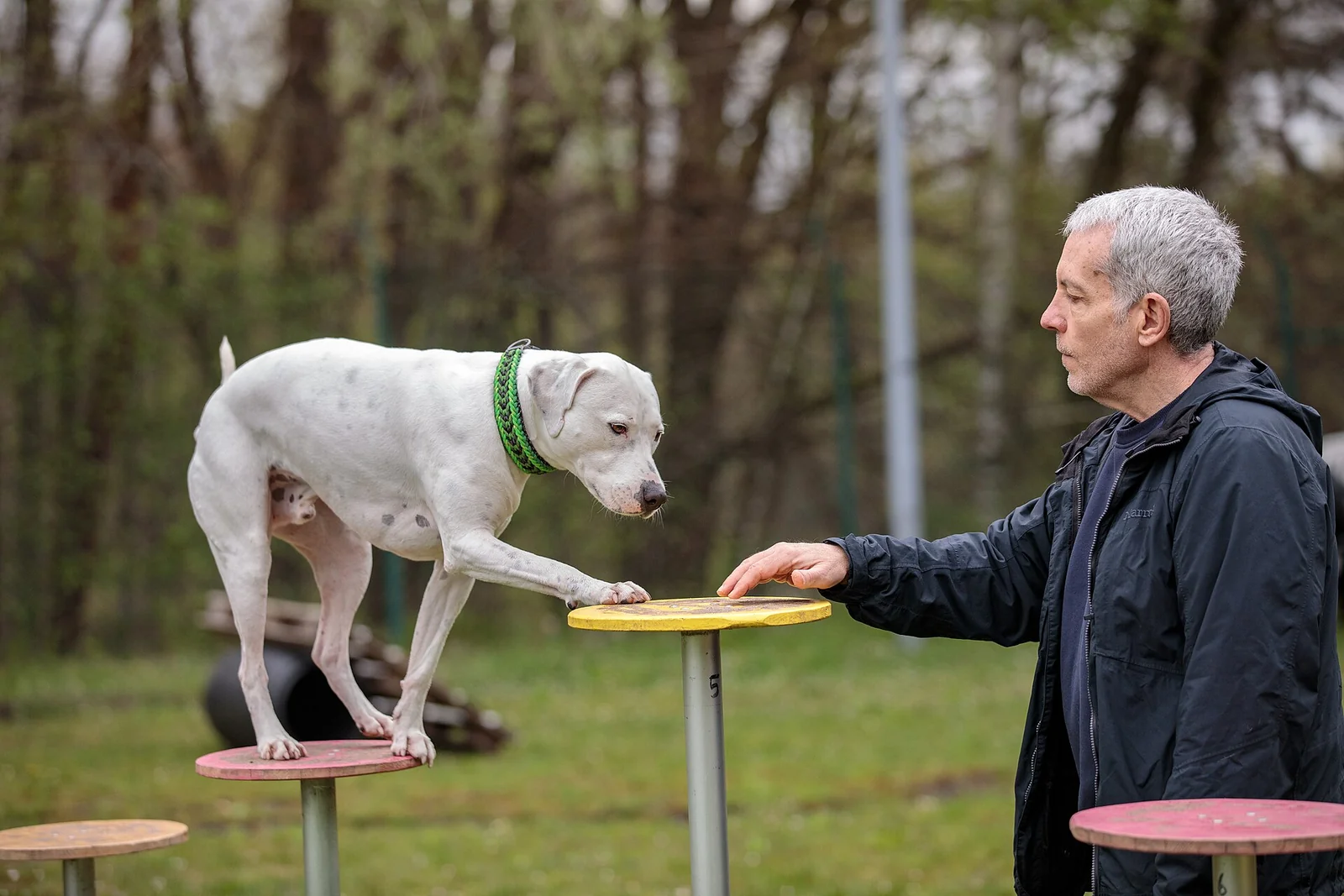
Consider whether you can comfortably hold the lead when the dog notices a squirrel, lift them into a car if needed and clean muddy feet without losing balance. A small dog may be easier to transport but can also be a trip hazard. A large, polite dog may walk beautifully until an unexpected event tests your grip.
At a meeting, ask to see the dog leave the house, pass another dog and settle after a short walk. Watch these transitions instead of judging only the quiet minutes on a sofa. Try the actual harness or lead arrangement you would use, with the current carer supervising.
Breeds are starting points
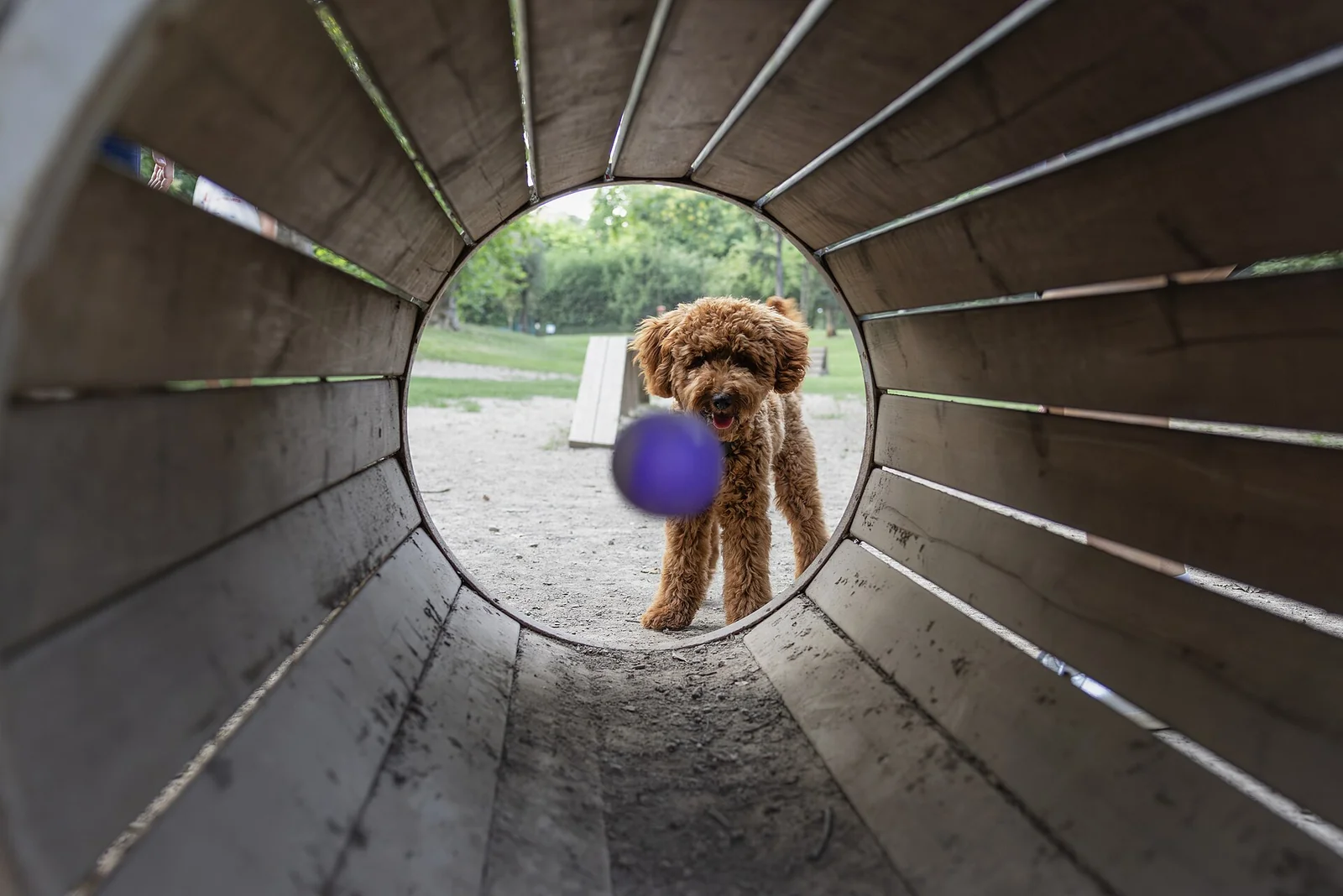
Adult Bichon Frises, Havanese, Shih Tzus and smaller Poodles may suit some homes, provided grooming arrangements and individual health needs are manageable. A mature Greyhound can be quiet indoors, but size, prey interest and safe outdoor access still matter. A well-matched adult mixed-breed dog may offer the same companionship without fitting a familiar label.
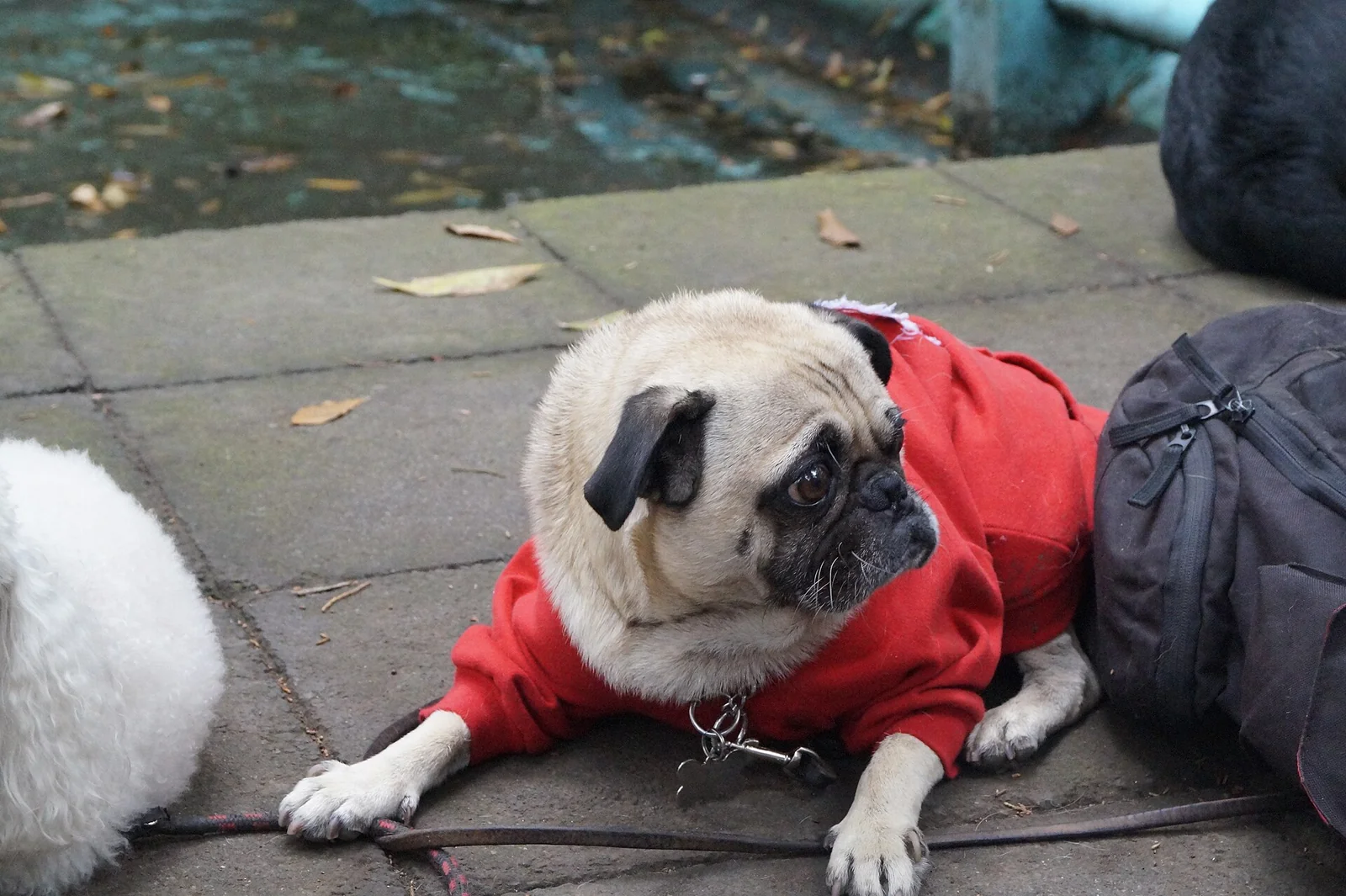
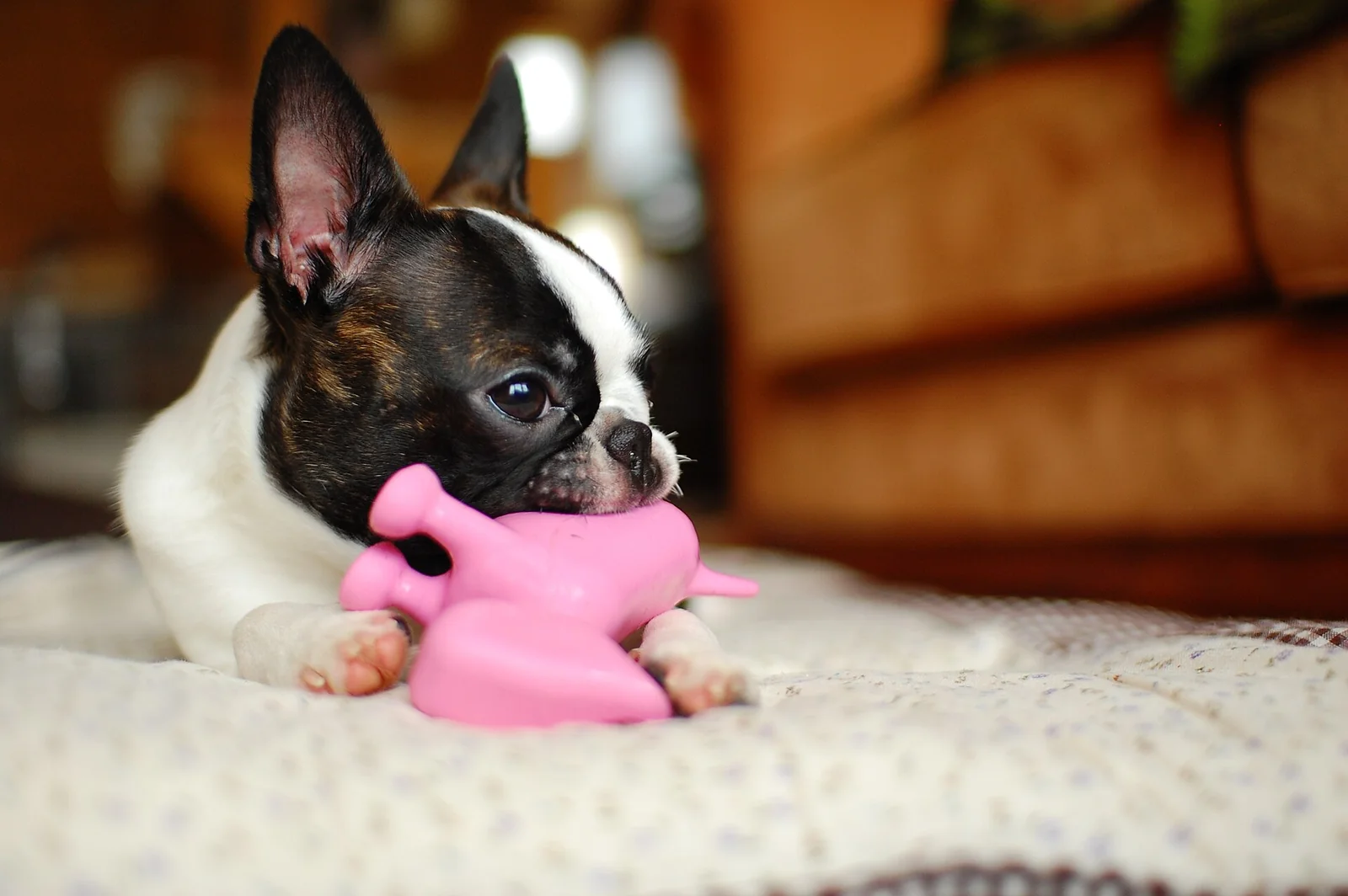
Avoid treating any breed as maintenance-free. Coats that shed little can need frequent brushing and paid grooming. Flat-faced dogs may have breathing and heat-related limitations. A very active herding or working dog can need more structured activity than its owner expects, even if it is small.
Plan beyond the first month
Write down who can walk the dog during illness, provide transport to the vet and care for them during a hospital stay. Check that this person actually agrees. Keep feeding, medication and emergency details somewhere easy to find. Budget for routine care, grooming, insurance or another realistic emergency fund.
If housing might change, check pet rules early. Think about lifts, secure outdoor space and where a dog can toilet when the weather is poor. A companion should make daily life richer without leaving essential care dependent on one person having a perfect day.
There is no shame in choosing an older dog, a smaller dog or waiting until support is in place. A manageable routine gives both person and dog room to enjoy the relationship.
Further reading: Selecting a pet dog.
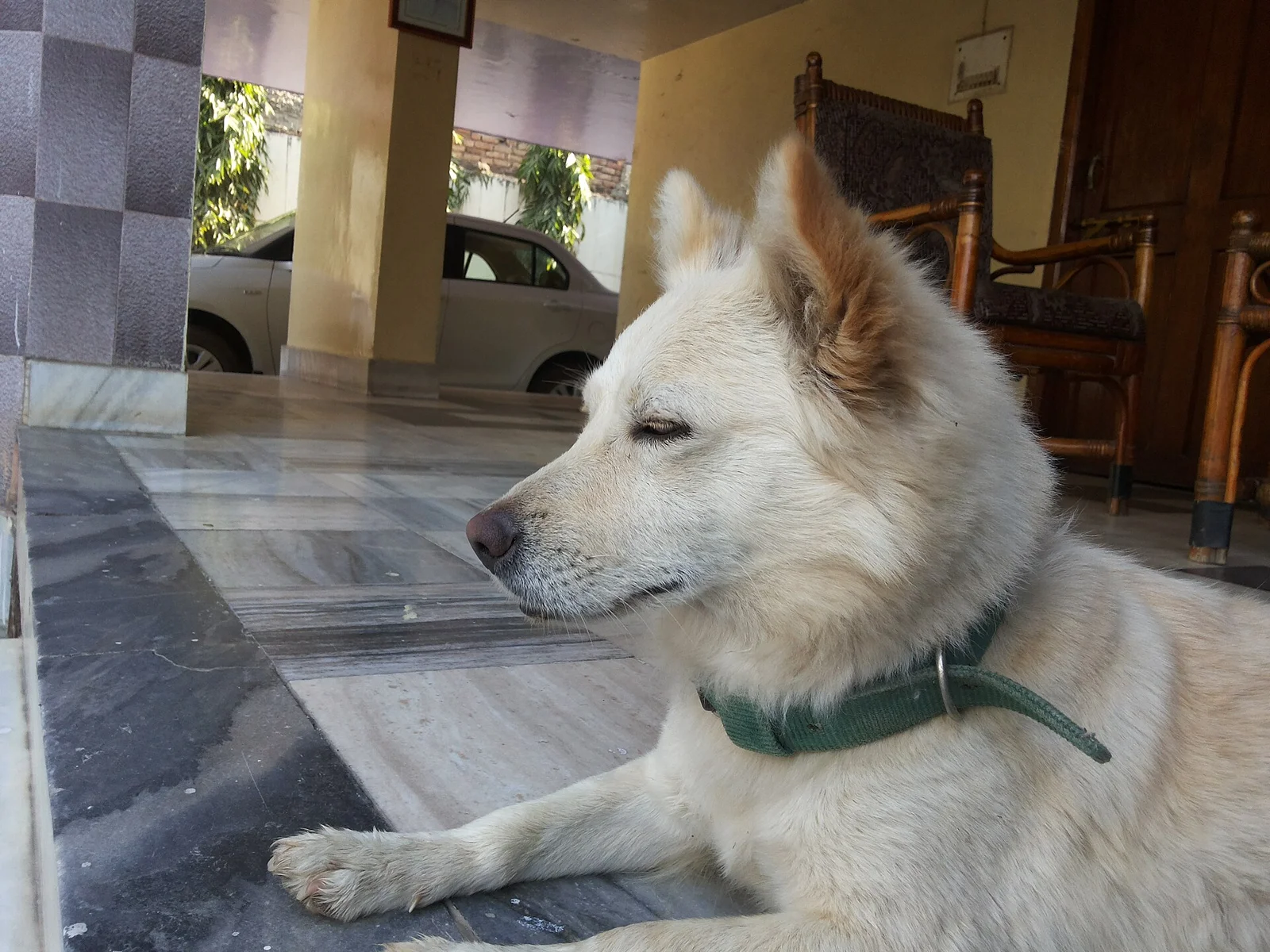
Illustrative photo · Utkarshsingh.1992 · CC BY-SA 3.0