Archive date follows the original topic. Independently written and reviewed by idoghome on October 29, 2026.
A breed health page can be useful preparation for a veterinary visit. It becomes less useful when every hesitation on a walk is matched to the most worrying condition on the list. A Collie, Beagle or Schnauzer needs an individual assessment, not a diagnosis based on ancestry alone.
Start with the change you can describe. Is the dog limping, tiring sooner, slipping on a particular floor or struggling to rise? These observations help the vet more than a guess assembled from several breed articles.
Keep breed information specific
For a Collie, one useful question concerns MDR1-related drug sensitivity. UC Davis's Veterinary Genetics Laboratory explains the relevant mutation and testing. If your dog has a result, make sure the veterinary record includes it and mention it when medication is discussed.
That does not mean every Collie has the mutation or that owners should independently stop prescribed medicines. Ask the treating vet to interpret the result. A genetic test addresses a particular question; it does not provide a complete picture of overall health.
Do not let a familiar personality hide change
A Beagle enthusiastic about food may still have pain. A lively Schnauzer may continue greeting people while finding stairs difficult. The fact that a dog performs one favourite activity does not establish that every movement is comfortable.
Record a few ordinary tasks over time: getting up, walking on level ground and settling after an outing. Film briefly if useful and safe. Avoid repeatedly provoking the difficult movement just to compare it with an online example.
Review the everyday supports
Ask about body condition, muscle condition, suitable food portions and a manageable exercise plan. The WSAVA nutrition toolkit can help frame diet questions without assuming a breed-labelled food solves a mobility problem.
At home, provide secure footing and easy access to rest and water. Check whether nails, equipment fit or an awkward route through furniture need professional attention. Make changes that reduce unnecessary difficulty while waiting for the examination.
Get a plan before buying rehabilitation equipment
Cornell's rehabilitation service describes care tailored to the animal's condition. A harness, brace, exercise device or wheelchair should have a defined purpose and appropriate fitting. Buying equipment because another dog of the same breed uses it may miss the underlying problem.
Seek urgent help for sudden weakness, collapse or inability to stand. For a gradual change, arrange a visit and bring the observations, medication list and relevant health records. Ask what should improve, how to judge progress and when to return. Breed knowledge works best as a set of sensible questions that supports the examination, while the individual dog's comfort determines the next step.
Bring questions in writing if breed information has left you worried; it makes it easier to separate relevant risks from unrelated possibilities.
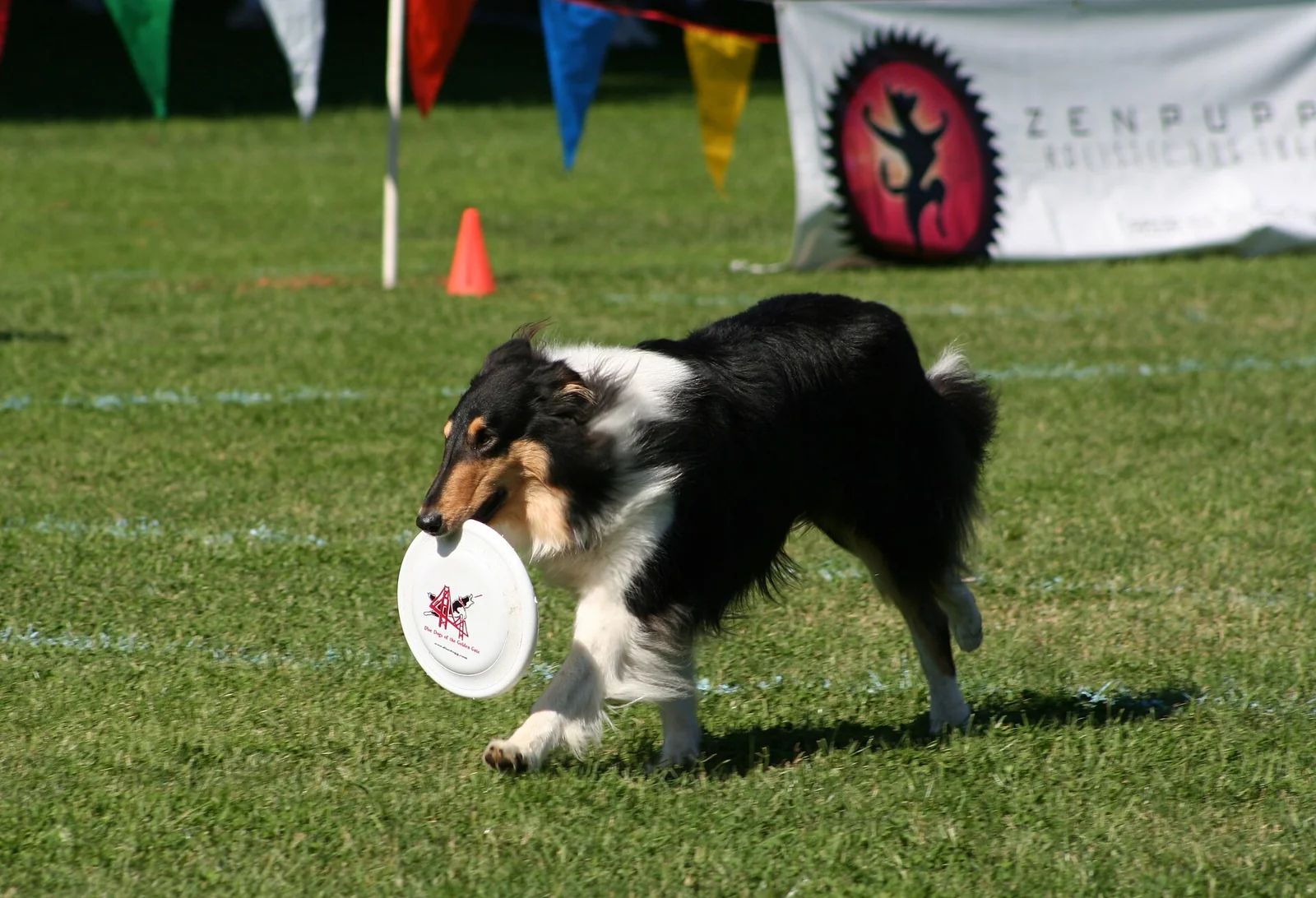
Illustrative photo · Calibas · CC BY-SA 4.0