Archive date follows the original topic. Independently written and reviewed by idoghome on October 29, 2026.
The training aisle can make a straightforward problem look like a shopping problem. Your dog pulls, so perhaps the answer is a different collar. Recall is unreliable, so perhaps you need a remote. Before choosing equipment, separate two jobs: keeping your dog safely managed and teaching a skill.
A lead can stop a dog reaching the road. It does not, by itself, teach them why walking near you is worthwhile. Good equipment supports the lesson; it does not replace it.
Start with comfortable, suitable basics
A properly fitted collar or harness, an appropriate lead and accessible rewards cover many everyday exercises. Check fit using the manufacturer's instructions and watch your dog move. Look for rubbing, damaged stitching and clips that no longer close reliably.
A harness may be useful for attaching a long line during supervised recall practice. Choose a safe open space, keep the line away from people and obstacles, and avoid wrapping it around your hands. If you are unfamiliar with handling one, ask a qualified reward-based trainer to show you.
Understand what an electronic collar changes
Remote electronic collars can use electrical stimulation to influence behaviour. Calling the sensation a “tap” does not tell you how an individual dog experiences it. A method can also combine food with aversive stimulation; the presence of treats alone does not make the overall approach reward-based.
A 2020 study comparing recall and obedience training approaches found no need for electronic collars to achieve effective training in that study, with reward-focused training performing better on several measured responses. It was a specific study, not proof that every dog and setting are identical. The wider welfare question still matters alongside performance.
The AVSAB humane-training statement recommends reward-based methods and advises against aversive training. This guide therefore does not provide shock, prong-collar or choke-chain instructions.
Match the alternative to the problem
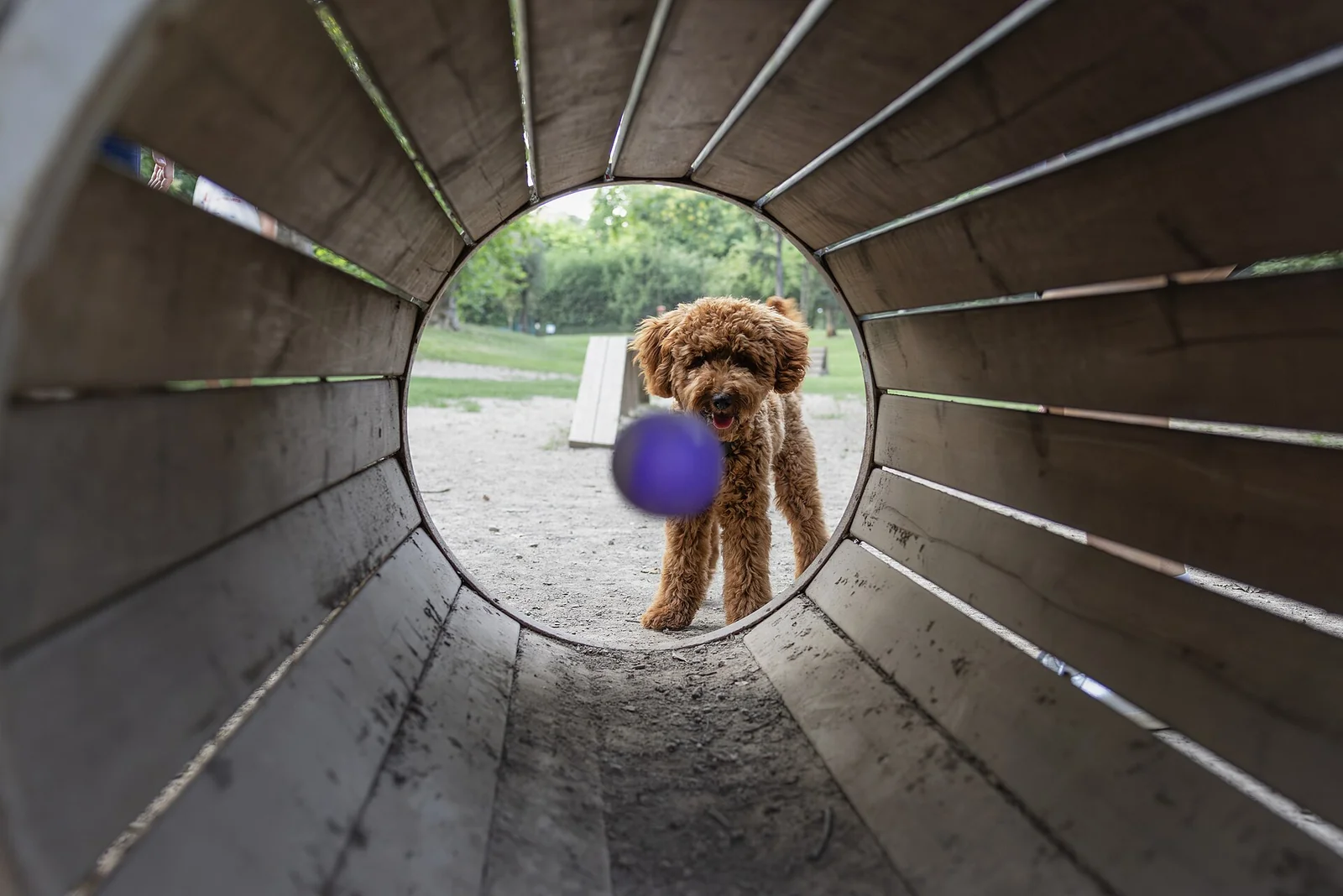
For unreliable recall, prevent unsafe off-lead rehearsal while you practise short, successful returns in a secure area. Increase distance and distraction gradually. A long line is management during that process, not permission to practise beside traffic or livestock.
For pulling, work in an easier location and reward brief stretches with a slack lead. If the dog is lunging because they are frightened or overwhelmed, the task is not simply “walk neatly.” Increase safe distance and get help with the underlying response.
For chewing or stealing, arrange the house so tempting items are less accessible and provide suitable alternatives. Repeated punishment after a dog has found something does not make the environment easier to understand.
Buy the plan before the gadget
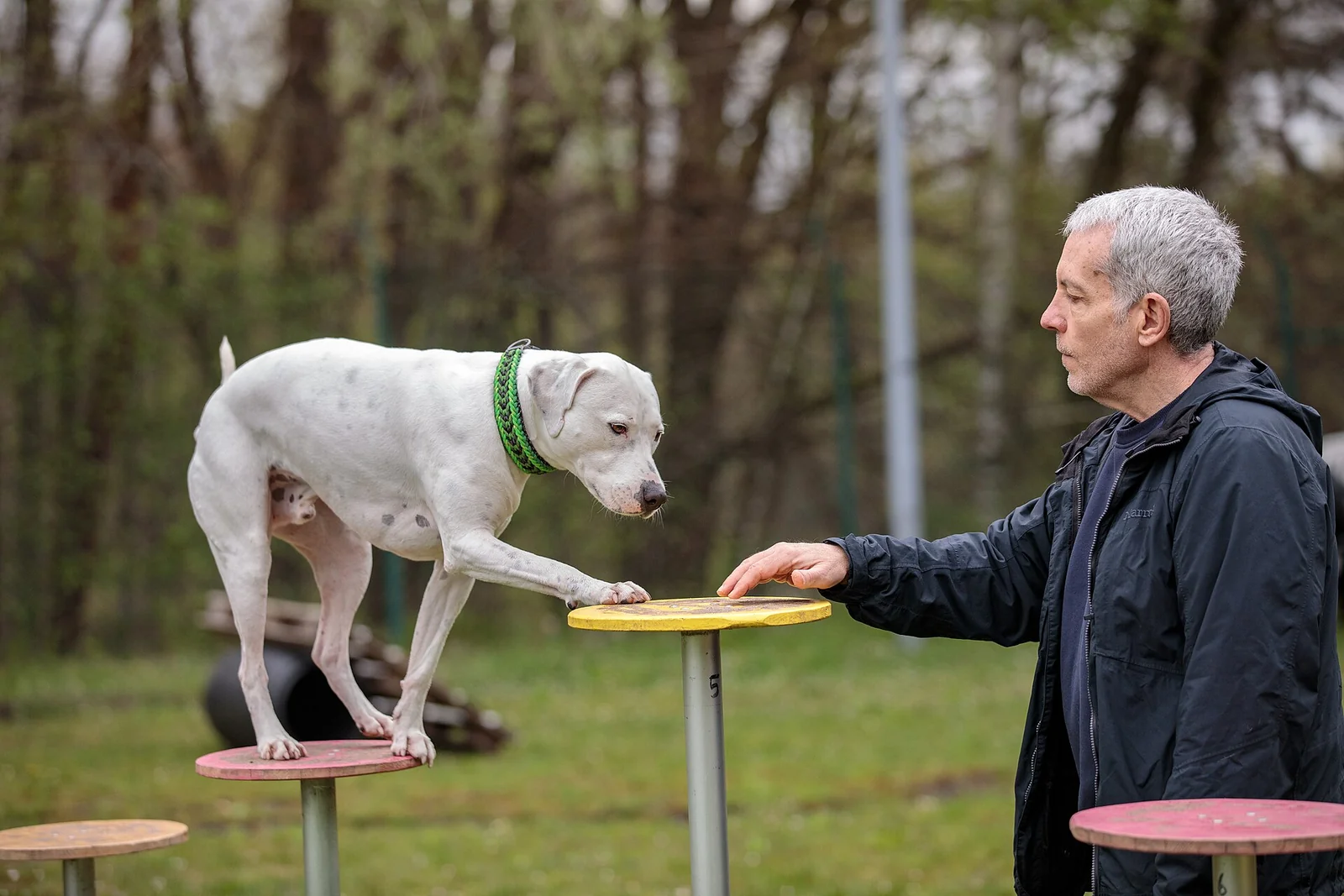
Ask a trainer what the dog will learn, how success will be rewarded and what happens when the exercise goes wrong. Request a plain explanation of the method, not just a list of equipment brands. Be wary of guarantees that ignore the dog's health, history and surroundings.
Useful extras are often modest: a washable mat, a pouch that opens easily or a gate that creates a calm practice area. Buy them because they solve a specific practical problem. If the proposed tool depends on causing discomfort to get a result, choose a different approach and seek qualified support.
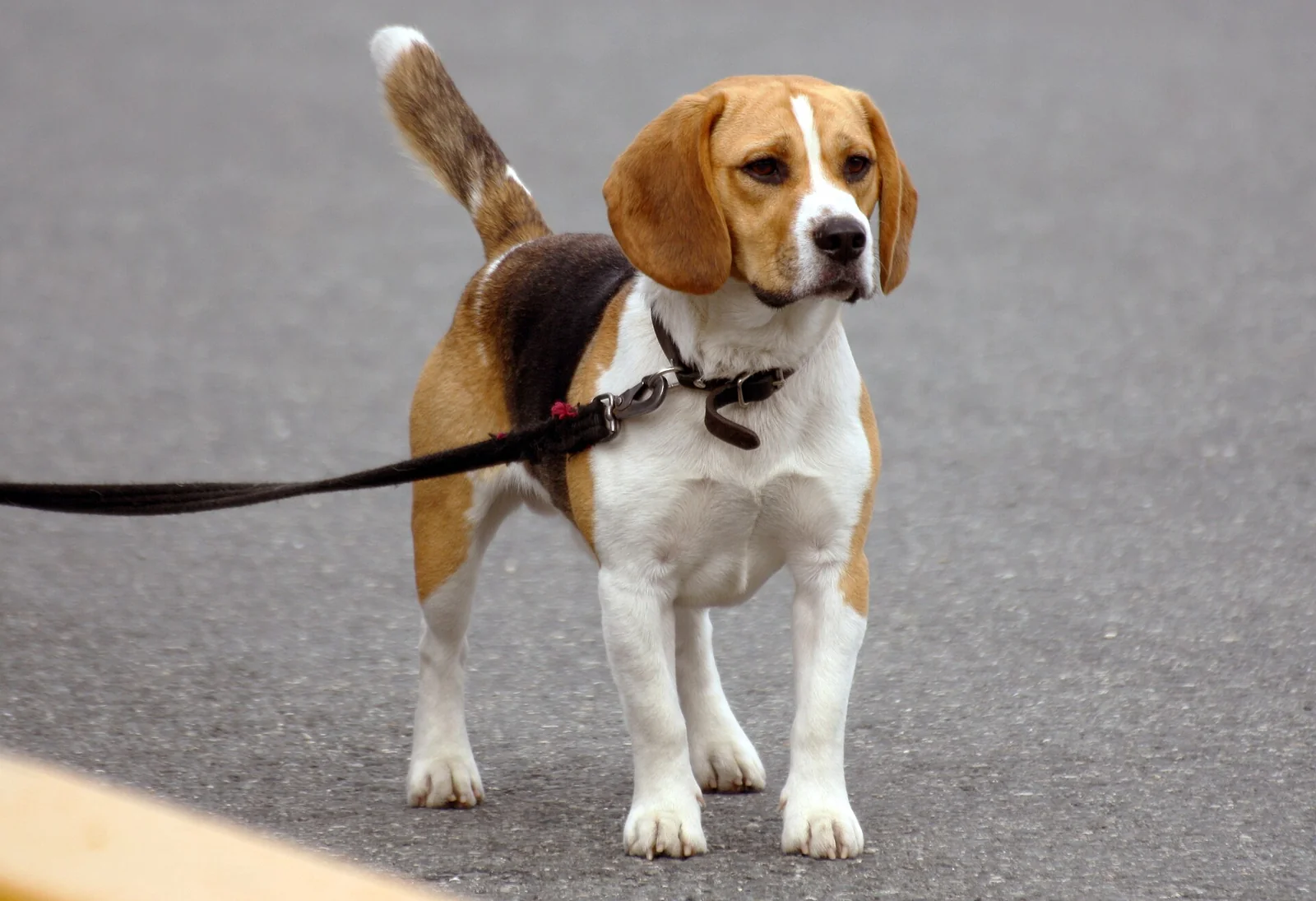
Illustrative photo · Daniel Flathagen · CC BY-SA 2.0