Archive date follows the original topic. Independently written and reviewed by idoghome on October 29, 2026.
A small study published in Biology Letters in September 2024 asked an unusually specific question: could dogs already known for learning toy names remember those labels after a long break? The answer was encouraging, but narrower than a headline saying that all dogs remember words for years.
Researchers working with the Family Dog Project at ELTE University followed up dogs from an earlier toy-learning project. The owners had put the toys away. Five dogs took part in the later test, around two years after the original learning period. As a group, their correct choices were above the level expected by chance.
An exceptional sample matters
These were gifted word learners, selected because they had already demonstrated unusual object-name learning. They were not a random sample of family dogs. The researchers explicitly cautioned against generalising the result to dogs as a whole.
That distinction changes the useful takeaway. The study shows that long-lasting memory for object labels is possible in some dogs. It does not establish how common that ability is, rank every breed by memory or show that a dog who misses a cue has forgotten its owner.
Object labels are a particular task
Recognising the name of a toy is different from responding to a familiar action cue or anticipating a daily routine. A dog can be highly responsive in ordinary life without selecting named objects from a collection. Owners should be careful not to turn one kind of laboratory or home test into a general judgement of intelligence.
The study also does not mean that an owner can leave training untouched for years and expect every learned behaviour to remain equally reliable. Context, distraction and the kind of learning all matter. The research question was deliberately more limited.
Keep home games enjoyable
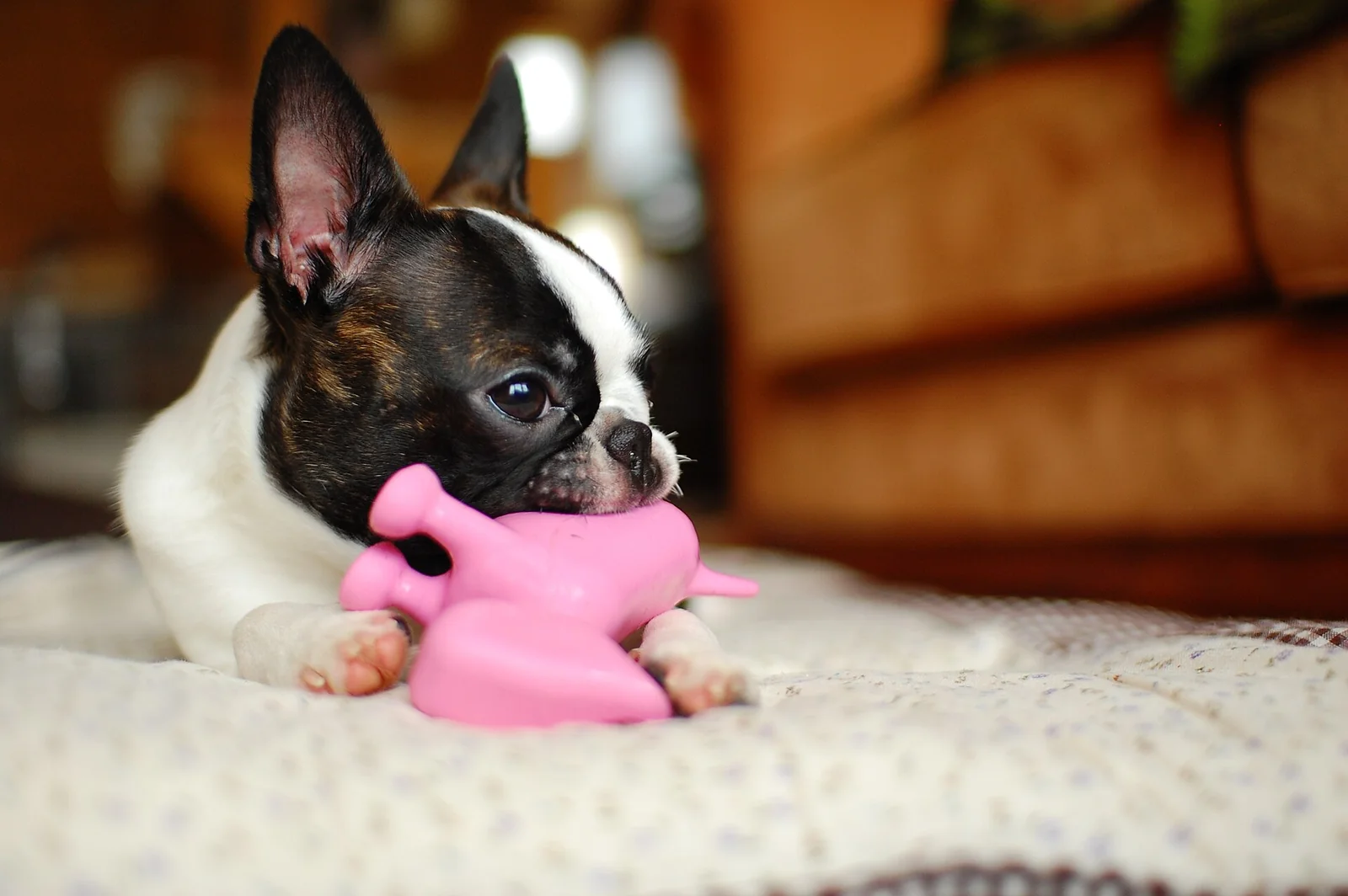
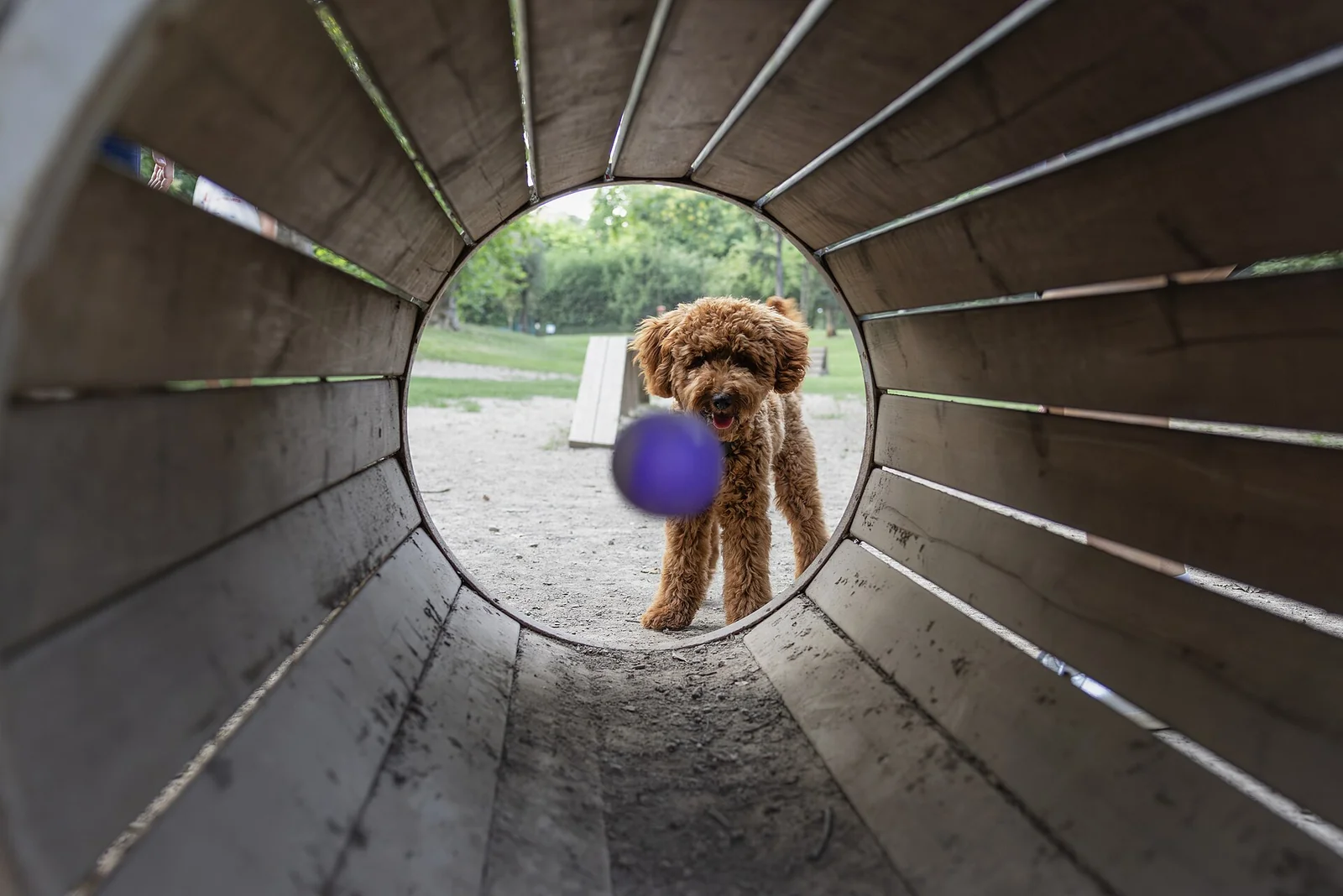
If your dog likes toys, naming a familiar object during relaxed play can be a pleasant activity. Introduce one label clearly, use consistent wording and avoid rapidly adding a large set. Reward participation and end before the dog becomes tired or frustrated.
A missed choice is not a reason to scold. It may reflect an unclear task, an interesting distraction or a dog who simply prefers a different game. There is no need to make your companion qualify as a gifted learner to enjoy learning together.
The interesting part of this research is its precision: a small group, a defined task and a long interval. Read it as evidence about a remarkable ability in those dogs, while leaving the wider questions open for further research.
Further reading: ELTE research summary, Study dataset.
Illustrative photo · Marco Del Torchio 95 · CC BY 4.0