Archive date follows the original topic. Independently written and reviewed by idoghome on October 29, 2026.
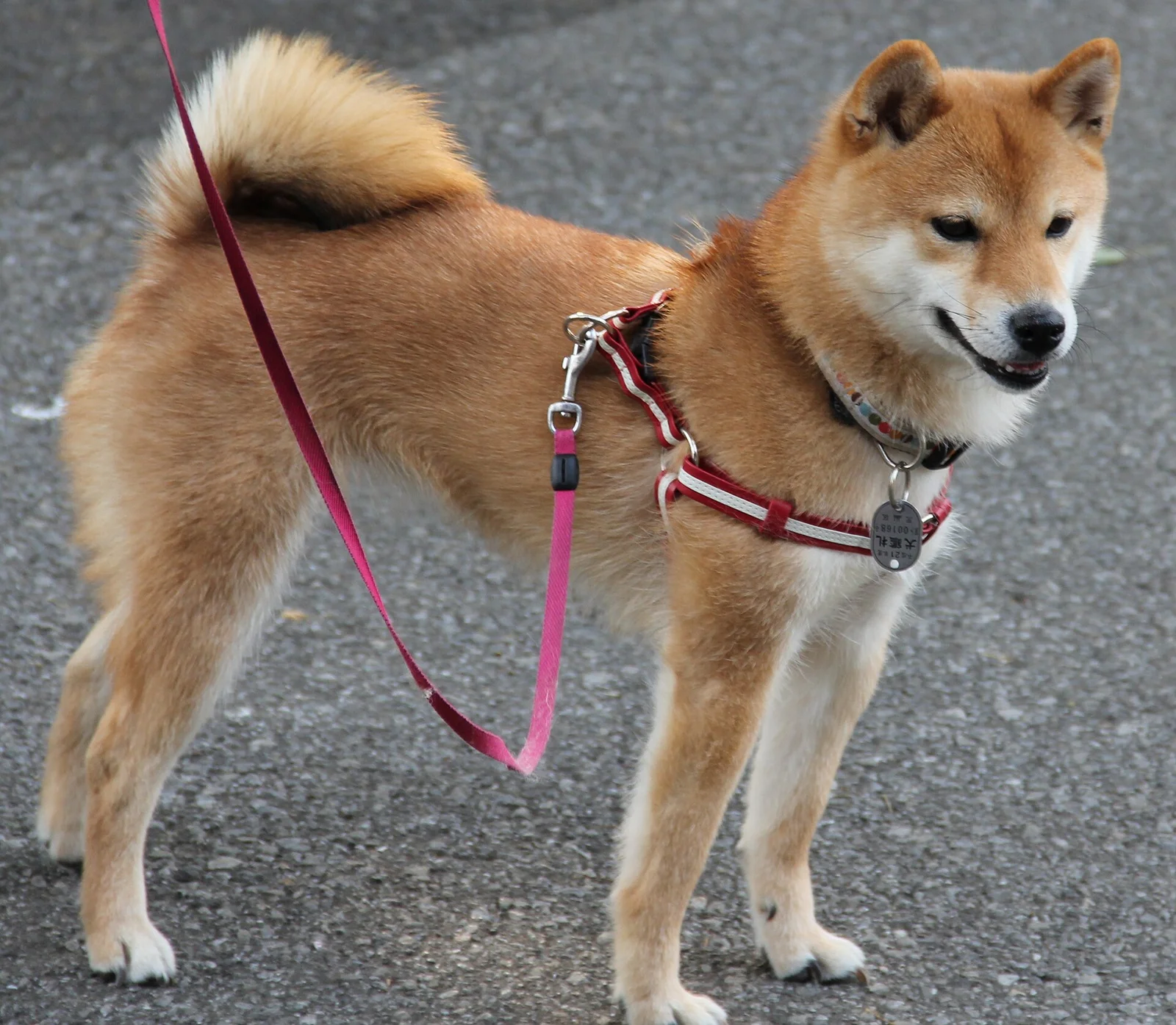
Some dogs greet the world with immediate enthusiasm. Others prefer to watch before getting involved. If you are drawn to a Carolina Dog, Shiba Inu, Chow Chow or Shar-Pei, make room for the possibility that your companion will not want to be everyone's friend.
These are distinct breeds with different histories and physical needs. They share no guarantee of a particular personality. What makes them worth discussing together is the importance of respecting an individual's choices instead of trying to turn reserve into a social performance.
Build security before freedom
Check doors, gates and equipment before arrival. Use a quiet room or gated area where the dog can rest while learning the household. Avoid inviting a stream of visitors during the first days. A predictable place to sleep and a simple walking route can be more helpful than a busy welcome.
The Carolina Dog's less familiar background can attract romantic descriptions of wildness. A pet still needs ordinary veterinary care, safe containment and patient learning. A Shiba's compact size should not lead to casual decisions about off-lead freedom. Practise recall in secure spaces and judge reliability honestly.
Handle the body, not the reputation
Chow Chow coat care takes planning; a dense coat can conceal tangles and skin problems. A Shar-Pei's folds and distinctive features make comfortable examination important. Ask your vet for an individual skin, ear and eye care plan rather than applying products because a breed forum recommends them.
Introduce touching one body area briefly, then reward and release. Build toward brushing, nail care and a veterinary examination in manageable stages. Stop and investigate if a previously comfortable dog becomes defensive. Pain or irritation can change behaviour, and restraint alone does not solve that problem.
Give visitors a script
Ask guests to ignore the dog initially, avoid leaning over them and let them choose whether to approach. Provide a separate comfortable area when a visit will be noisy or difficult to supervise. Calm distance is a successful outcome; touching is optional.
Use rewards to teach practical skills such as moving to a mat, following you through a doorway and trading an item. Repeating a cue more loudly rarely makes the task clearer. Make the requested behaviour easy enough to succeed and practise before the challenging situation occurs.
Before choosing any of these dogs, meet knowledgeable carers and adults of the breed. Ask about everyday handling, visitors, other animals and health screening. A good match is built on enjoying the dog you actually have, including their boundaries, rather than expecting a striking appearance to come with an effortless temperament.
Further reading: Carolina Dog, Shiba Inu, Chow Chow, Chinese Shar-Pei.
Illustrative photo · Alf Melin · CC BY-SA 2.0