Archive date follows the original topic. Independently written and reviewed by idoghome on October 29, 2026.
The first veterinary appointment is easier when your questions are on paper rather than competing with an excited puppy for your attention. It is a chance to check their health, understand the records you have been given and agree on the next steps.
Book with a practice soon after bringing your puppy home. Tell the team your puppy's age and mention any symptoms when you call, so they can decide how urgently the puppy should be seen.
Bring the history, even if it is incomplete
Take vaccination information, parasite-treatment details and any notes supplied by the breeder, rescue or previous carer. Bring the names and packaging details of medicines if relevant. If you do not know something, say so rather than guessing a date.
The American Veterinary Medical Association recommends an early examination and bringing previous medical information. Your vet can use the history and examination to plan care appropriate to your puppy, rather than relying on a generic online schedule.
Make a short list of changes you have noticed
Write down what your puppy eats, whether their appetite has changed, how toileting has been going and anything unusual about sleep, movement or behaviour. A brief video of an intermittent concern may help if it can be captured without delaying care or making the puppy uncomfortable.
Ask the practice whether they want you to bring anything else, such as a sample. Do not arrive with a collection of supplements to try without discussing whether they are needed.
Ask for a plan you can follow
- Which vaccinations or follow-up appointments are needed, and when?
- What parasite prevention suits this puppy and where we live?
- Is the current food suitable, and how should growth be monitored?
- Which outings and animal contacts are appropriate now?
- What symptoms should prompt a same-day call or emergency visit?
- Who should we contact outside normal opening hours?
Write the answers down or ask whether the practice can send a summary. If several people care for the puppy, share one clear plan so treatment is not accidentally missed or repeated.
Make the visit physically manageable
Follow the practice's advice about how to bring a puppy who may not yet be fully protected against infectious disease. Use secure transport and have a suitable lead or carrier ready. Ask where to wait if the reception area is crowded.
Dogs Trust offers guidance on reducing stress around veterinary visits. Give your puppy space from unfamiliar animals and tell the team if handling worries them. Do not force a greeting with every person in the waiting room.
Keep the record going afterwards
Save appointment dates, instructions and invoices together. Note the exact treatment name and date when something is given, rather than relying on “the worming one last month.” Check anything unclear with the practice before acting.
A useful first appointment ends with fewer guesses. You should know what happens next, where to ask questions and what changes deserve attention. That relationship with the veterinary team will matter long after the puppy has outgrown the carrier.
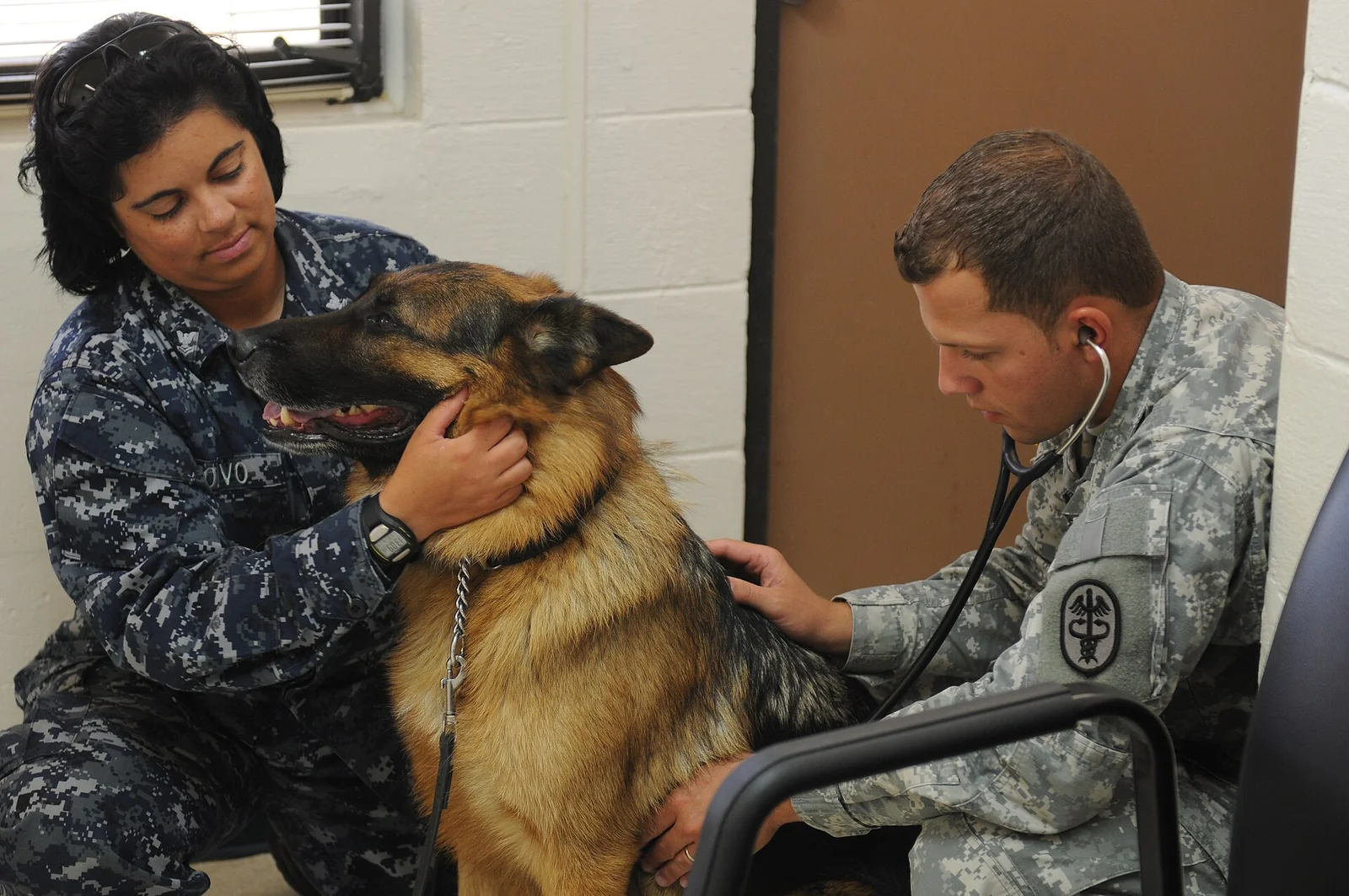
Illustrative photo.