Archive date follows the original topic. Independently written and reviewed by idoghome on October 29, 2026.
Bringing an adult dog home can feel like meeting a new housemate who cannot tell you which cupboard holds their favourite mug. They may know plenty of skills, but the rooms, people and daily routine are different.
Begin by making home understandable. A long list of commands can wait while your dog discovers where to rest, where to toilet and what happens when somebody opens the front door. Decide those routines before the first busy morning arrives.
Use the information the rescue already has
Ask about food, sleeping arrangements, handling preferences and any ongoing veterinary or behaviour support. Keep the rescue's contact details somewhere easy to find. If they have provided a settling plan, use it as your starting point rather than replacing it with a generic internet timetable.
Dogs settle at different speeds. Dogs Trust's advice for newly adopted dogs emphasises a calm environment and allowing the dog to approach in their own time. A fixed number of days is not a deadline for becoming comfortable.
Make arriving and leaving safe
Agree on a door routine with everyone at home. Check garden boundaries and use suitable, securely fitted walking equipment. An unfamiliar noise or an open gate can surprise a dog who seemed quiet a moment earlier.
Keep early walks manageable and follow the rescue's guidance about contact with other animals. You do not need to introduce your new dog to every friendly neighbour immediately. A predictable route can give you more useful information than a busy tour of local attractions.
Teach the practical bits in small pieces
Reward your dog for approaching their resting area, looking towards you when you say their name and moving with you for a few easy steps. Show where toilet opportunities happen and acknowledge success. Even an adult dog may need help transferring house-training habits to a new address.
Avoid testing what your dog will tolerate. Reaching into their bowl, taking a toy to prove a point or inviting people to crowd their bed adds pressure without teaching a useful skill. If you notice guarding or fear, arrange safe management and ask for professional help.
Plan time apart thoughtfully
Do not assume a dog who was comfortable alone somewhere else will immediately cope in your home. Start by noticing how they respond to very small, ordinary separations while you are still nearby. Arrange support so you are not forced into a long absence before you understand their needs.
Persistent distress is not something to solve by leaving the dog to panic repeatedly. Dogs Trust's separation-anxiety guidance explains the need for individual, gradual support.
Keep expectations flexible
Record the things that help: a quieter walking time, a preferred reward or a bed away from the hallway. Notice changes in appetite, movement and behaviour, and discuss health concerns with your vet.
Your first useful achievement may be an uneventful evening rather than an impressive trick. Build from that. A dog who knows how to find safety and predictability has a much better starting point for learning the household's routines.
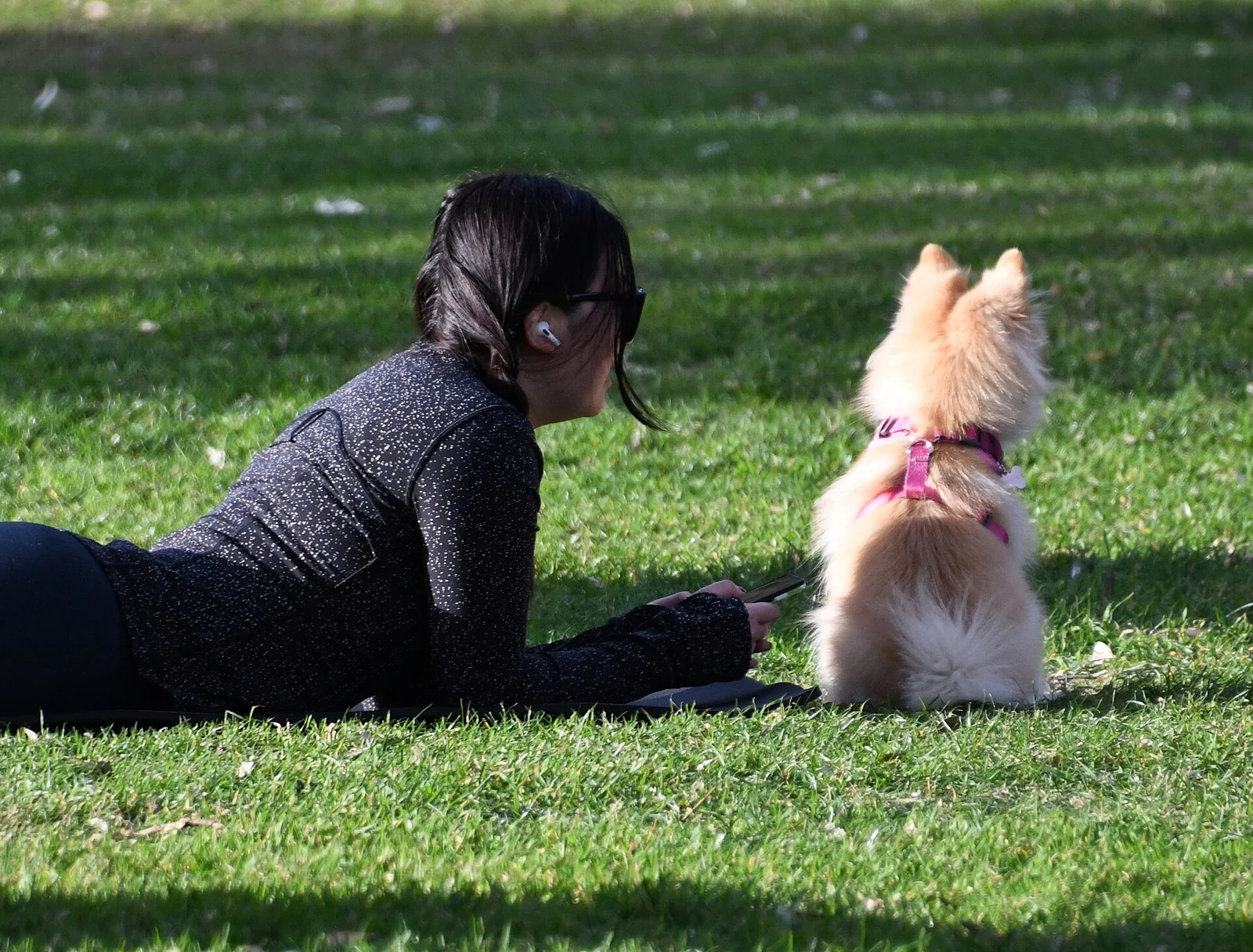
Illustrative photo · Sardaka · CC BY-SA 4.0