Archive date follows the original topic. Independently written and reviewed by idoghome on October 29, 2026.
The first change may be small: a pause before the stairs, a different sleeping spot or less enthusiasm for getting into the car. It is easy to file these details under old age. But age is not an explanation for every change, and discomfort may be treatable even when a dog has several ongoing health problems.
Start by noticing what ordinary life looks like now. You do not need to test your dog with a long walk or repeatedly encourage a jump to prove something has changed.
Describe the task that became harder
Write “takes several attempts to rise from the kitchen floor” rather than “seems old.” Record when the change began and whether it varies after rest, exercise or a cold night. A short, safely recorded video can be useful at the appointment.
AAHA's senior-health advice highlights the value of noticing changes early. Appetite, thirst, sleep, toileting and sociability are worth mentioning alongside mobility. A quieter dog is not necessarily a dog that needs less attention.
Make the house easier to navigate
Add secure non-slip runners where the dog regularly walks. Keep beds accessible, dry and away from draughts. Block unsafe stairs when appropriate and arrange food, water and resting places so basic needs do not require repeated difficult journeys.
If lifting or a ramp may help, ask for advice suited to the dog's size and condition. A slippery or steep improvised ramp can create a new problem. Allow time for comfortable introduction rather than pushing the dog onto unfamiliar equipment.
Adjust winter outings thoughtfully
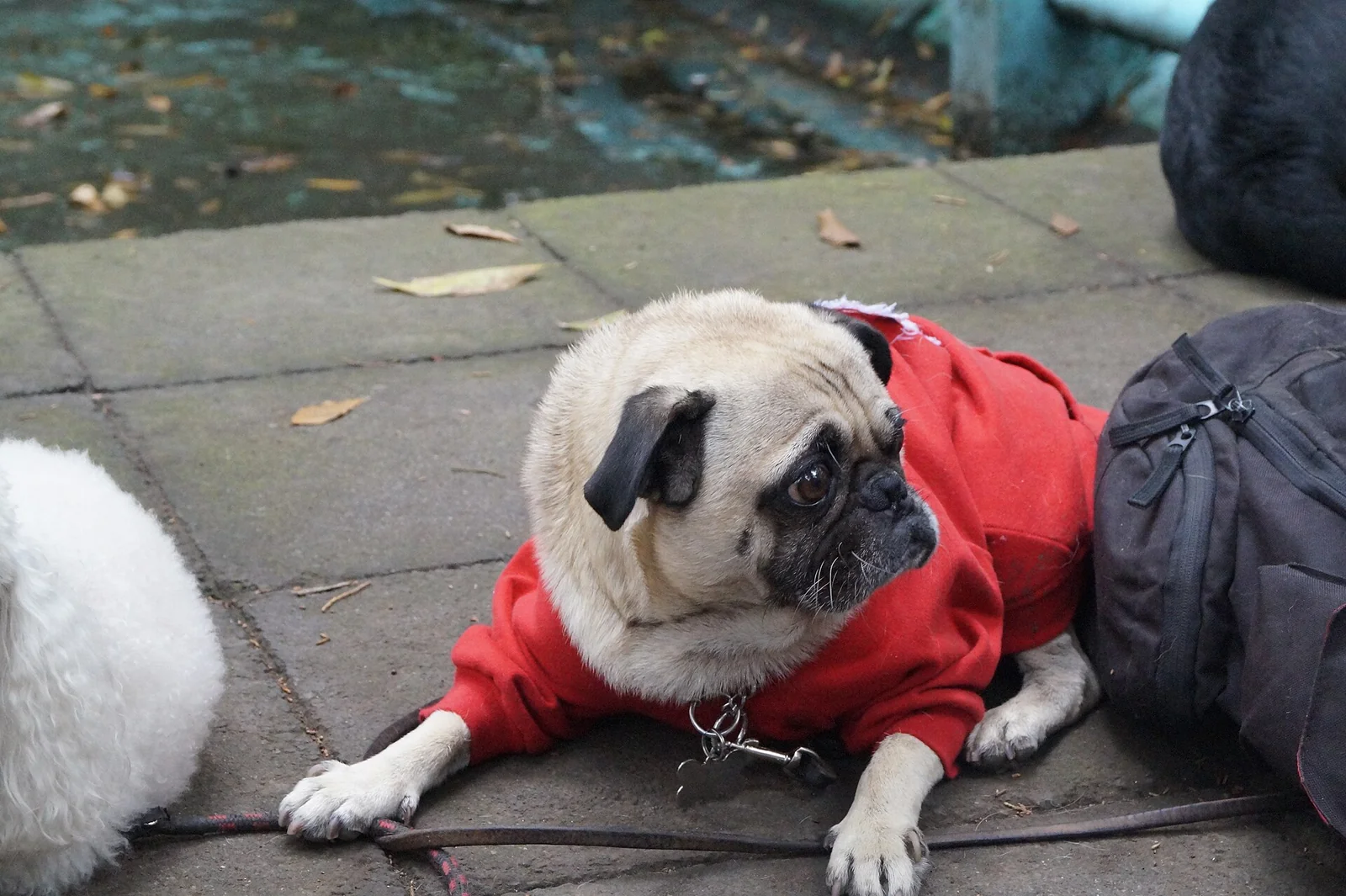
Cold weather can expose how difficult a routine has become: frozen ground, awkward clothing and slippery doorsteps may all matter. Choose a manageable route with secure footing and review whether a suitable coat would improve comfort. Keep it dry and check for rubbing.
Do not force a dog to complete the usual distance because they managed it last year. Equally, do not assume complete inactivity is the right long-term answer. Your vet can help balance movement and rest and refer for rehabilitation when useful. Cornell's rehabilitation service illustrates the value of individual assessment.
Review treatment rather than borrowing medicine
Never give human painkillers or another pet's prescription without veterinary direction. If existing treatment seems less effective, call for a review. Record what the dog can comfortably do, not just whether they yelp; absence of crying does not establish absence of pain.
Sudden weakness, collapse or inability to stand needs urgent help. For slower changes, book an assessment and bring your observations. The purpose is to preserve activities the dog enjoys: a gentle sniff, a comfortable nap near the family and the ability to reach a favourite place without struggling.
Check access after rearranging furniture, too. A familiar route can become difficult when a water bowl or bed moves across a slippery surface.
Illustrative photo · Nicole Qowens · CC BY-SA 4.0