Archive date follows the original topic. Independently written and reviewed by idoghome on October 29, 2026.
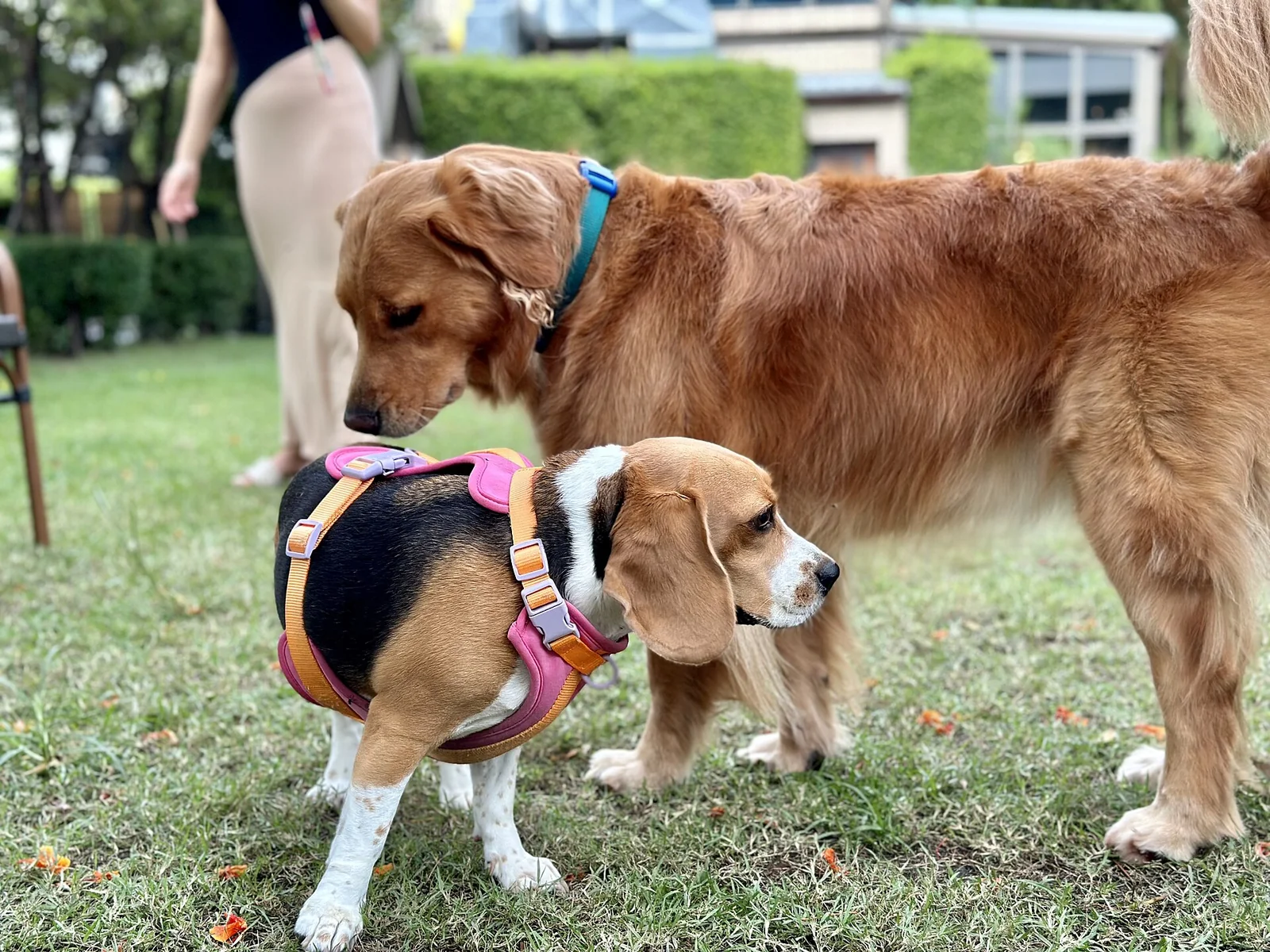
Two dogs meet, circle briefly and investigate each other's rear ends. To people it can look awkward; to the dogs, scent is an important part of gathering information. The behaviour is neither a social insult nor evidence that the dogs need correcting for bad manners.
Veterinary explanations from VCA and guidance from the American Kennel Club describe scent from the rear area as part of canine communication. The useful point for an owner is not a list of supposedly precise facts a dog can read from one sniff. It is that the dog is using a sensory channel that matters far more in its social world than it does in ours.
Normal does not mean compulsory
One dog may want to investigate while the other wants to leave. The second dog's preference matters. Do not hold a reluctant dog still to finish a greeting or assume that a small dog should tolerate prolonged attention from a larger one.
Watch the whole interaction. Loose movement and voluntary re-engagement are more reassuring than a dog standing rigidly while another animal presses close. Turning away or trying to create distance is a reason to help the dog leave, not to force another attempt.
Give the meeting an exit
Avoid trapping unfamiliar dogs together in a narrow doorway or at the end of tightly held leads. If a greeting is suitable, keep it brief and allow space to separate. Walking on calmly can be a successful outcome even if the dogs never become playmates.
A dog who prefers to pass at a distance is not failing a social test. You can reward attention to you and move on without insisting on contact with every dog on the route.
Notice changes in your own dog
Repeated interest in a particular body area does not let another dog diagnose illness. If your dog begins persistently licking, scooting or reacting painfully around its rear, arrange veterinary advice rather than drawing a conclusion from another animal's sniffing.
Ordinary greetings need less commentary than humans often give them. Let scent investigation remain brief, observe whether both dogs choose to participate and be ready to create space. Understanding the purpose of the sniff is useful; respecting the dog who has had enough is more useful still.
Further reading: VCA explanation of rear-end sniffing, American Kennel Club on scent greetings.
Illustrative photo · Slyronit · CC BY-SA 4.0