Archive date follows the original topic. Independently written and reviewed by idoghome on October 29, 2026.
A garden is useful, but it does not provide a working dog with a job. Left outside alone, an energetic dog may practise barking, digging or watching the boundary. The more important question is whether someone can offer suitable activity, patient teaching and enough quiet recovery every day.
“Intelligent” is another label worth unpacking. A dog who notices patterns quickly can learn a useful cue, but can just as quickly learn which cupboard contains food or which visitor leaves the gate open. Cleverness does not automatically produce easy companionship. It creates opportunities that an owner must be ready to guide.
Understand what the dog was selected to do
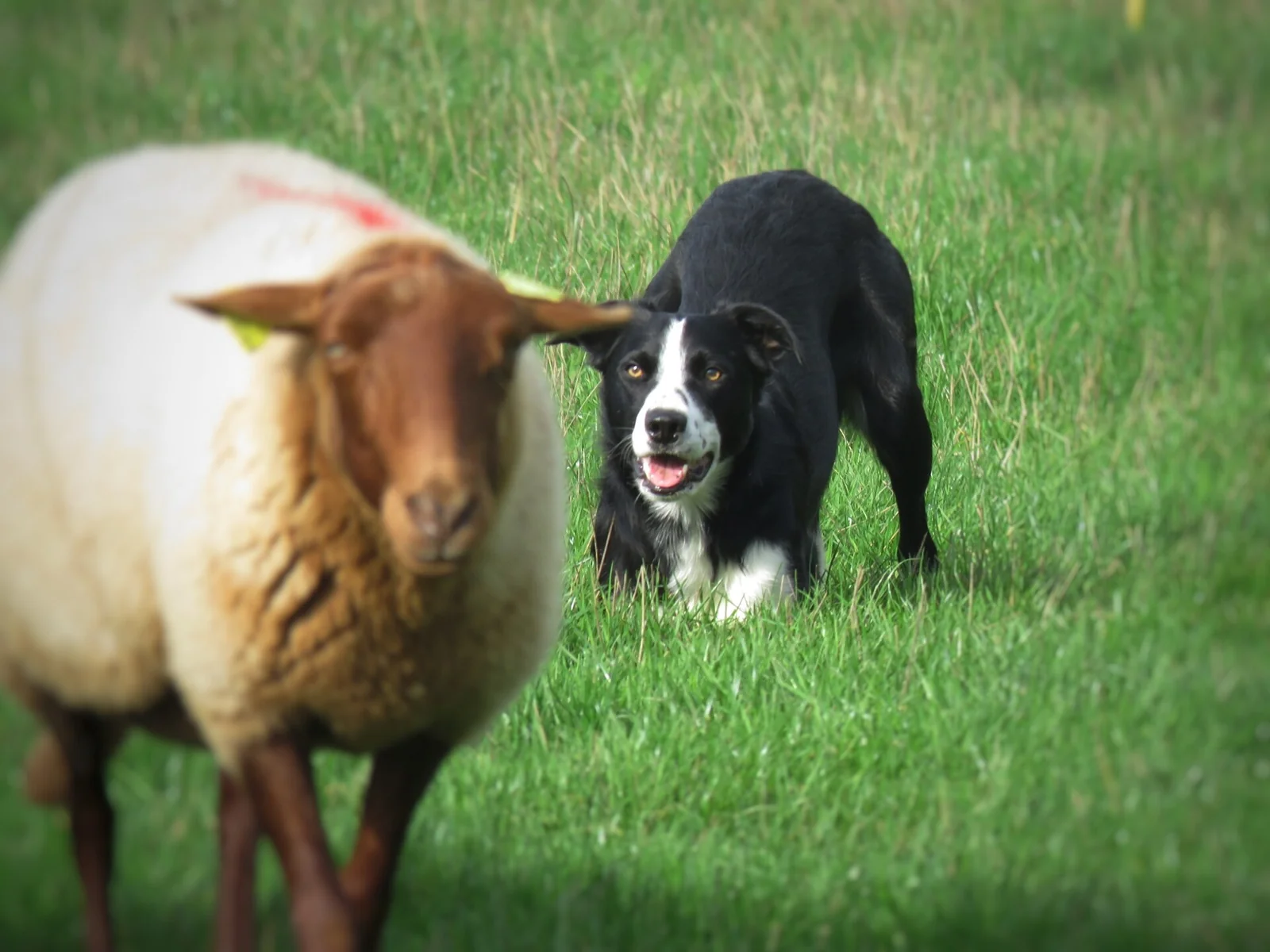
Border Collies and Australian Cattle Dogs come from herding backgrounds. Interest in movement and sustained work can be useful in an appropriate activity, but difficult around running children, bicycles or a busy hallway. A thoughtful routine teaches disengagement and rest as well as enthusiasm for tasks.
German Shorthaired Pointers and English Springer Spaniels bring sporting histories. Many enjoy sniffing, searching and being outdoors. Secure exercise, recall training and attention to wildlife matter. A dog who happily covers ground may need more management than a casual walk around the block provides.
Sighthounds offer a different picture. Whippets can be fast and keen to chase while also enjoying comfortable rest. Speed is not the same as all-day endurance, and a dog who settles indoors may still require secure spaces and careful lead decisions outside. Livestock guardians and other less familiar working breeds deserve research into their original role rather than assumptions based on appearance.
Build a balanced day
Mix sniffing walks, short training sessions and appropriate physical exercise. Teach useful household skills: waiting at a door, settling while people eat and leaving an interesting object. Food searches and simple scent games can offer focused work without turning every session into frantic pursuit.
Avoid trying to exhaust a dog into good behaviour. A dog can become fitter while remaining unable to switch off. Provide predictable rest periods and notice whether activity leaves them pleasantly settled or increasingly wound up. Exercise should be adjusted for age, health, conditioning and weather.
Specialist work is a partnership
Search-and-rescue work requires more than a particular breed. Suitability depends on motivation, physical soundness, confidence, trainability and a handler able to commit to structured training. An appealing video of a working team shows a small part of that investment.
Before choosing an active dog, arrange to spend time with adults doing ordinary things. Ask about off-duty behaviour, recovery after excitement and challenges encountered during adolescence. A dog can be a wonderful match without doing formal sport, provided their needs fit the home. If your schedule cannot support that routine, choosing a calmer individual is a practical act of care.
Further reading: Choosing a breed for your lifestyle.
Illustrative photo · Aliénor Wayne · CC BY-SA 4.0