Archive date follows the original topic. Independently written and reviewed by idoghome on October 29, 2026.
A dog who sleeps while you work in another room may still struggle when the front door closes. Being alone is a skill and an experience, not something guaranteed by breed or age. The useful question is how your individual dog behaves during an absence.
A camera can reveal whether the dog settles, watches the door, paces or becomes increasingly distressed. Record a normal departure rather than deliberately extending an absence to see how much the dog can tolerate. The aim is to understand the starting point, not test endurance.
Prepare the setting
Offer a suitable toilet break and a chance to unwind before leaving. Choose a safe, comfortable area with water and familiar bedding. Keep hazards, laundry and tempting food out of reach. Enrichment can help some dogs, but only leave items you know they can use safely without supervision.
A crate is not a treatment for panic. A dog who is comfortable resting in one may find it useful, while a distressed dog can become more upset or injure themselves trying to escape. Choose confinement arrangements based on observed comfort and professional advice where needed.
Practise below the difficult point
Start with brief, manageable separations while you are still nearby. Return before distress builds and increase time gradually according to the dog's response. Progress may be uneven, especially after a move, illness or change in routine.
If ordinary departures already cause panic, seek help from your vet and a qualified behaviour professional. They can assess the problem and create a plan that may include management, training and, where appropriate, medication. “Letting them cry it out” risks repeated distress rather than useful practice.
Plan for school and work changes
Before a busier term or office schedule begins, introduce the new pattern in small steps. Arrange a trusted sitter, walker or another suitable option for absences the dog cannot yet manage. Check that the alternative itself is comfortable; not every dog enjoys daycare or a crowded group walk.
Keep departure and return routines calm and predictable. Punishing damage or mess on your return cannot teach comfortable solitude. Instead, use what happened as information about management, training progress or the need for a medical check.
A dog does not need to be independent all day to be a good companion. They need a realistic routine that meets their social and practical needs. Build from what they can manage, arrange support for the gaps and judge success by relaxed behaviour rather than the absence of complaints from neighbours.
Further reading: Separation anxiety guidance.
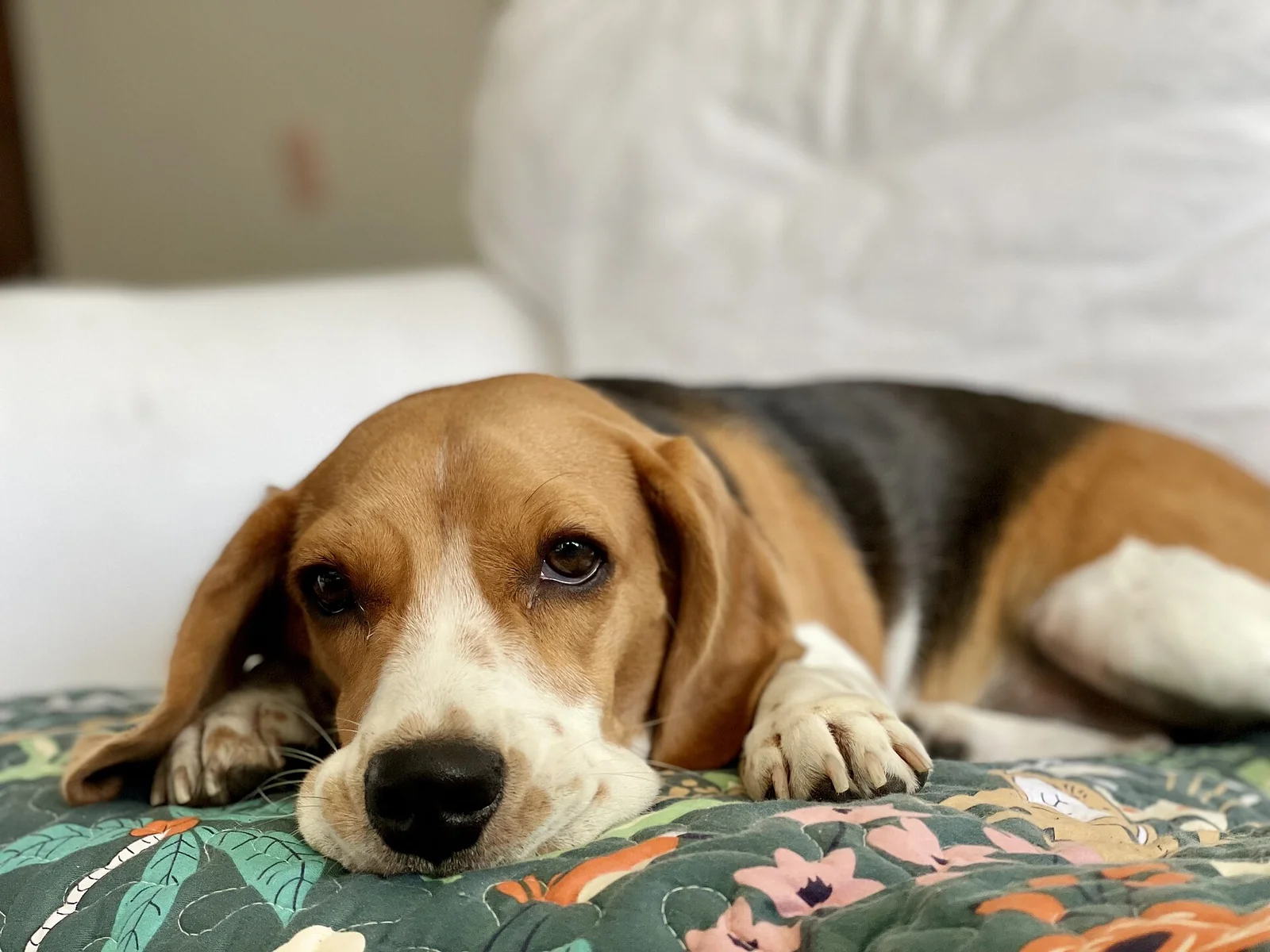
Illustrative photo · Slyronit · CC BY-SA 4.0