Archive date follows the original topic. Independently written and reviewed by idoghome on October 29, 2026.
A dog who follows you into the kitchen can make an ordinary evening feel less lonely. That appeal helps explain why lists of affectionate breeds are so popular. The trouble starts when “loving” becomes a promise that a particular puppy will enjoy every hug, welcome every visitor or cope happily whenever you leave.
Breed can offer clues about a dog's history and likely activity needs. It cannot tell you exactly how an individual will express affection. Some dogs lean against a knee; others bring a toy, settle nearby or check in briefly before finding a cool patch of floor. Those are all useful forms of companionship.
Compare different kinds of company
Golden Retrievers and Labrador Retrievers often appeal to people who want an involved, sociable companion. Think beyond the friendly face: a young retriever can be large, bouncy and interested in carrying everything within reach. Daily outings, training and safe chewing opportunities need space in the schedule.
For a smaller companion, consider meeting adult Havanese, Bichon Frises or Cavalier King Charles Spaniels through responsible breeders or rescues. Small size makes handling easier for some households, but coat maintenance, dental care and breed-specific health screening remain important. A Cavalier's health history deserves particular attention; a lovely temperament does not cancel medical needs.
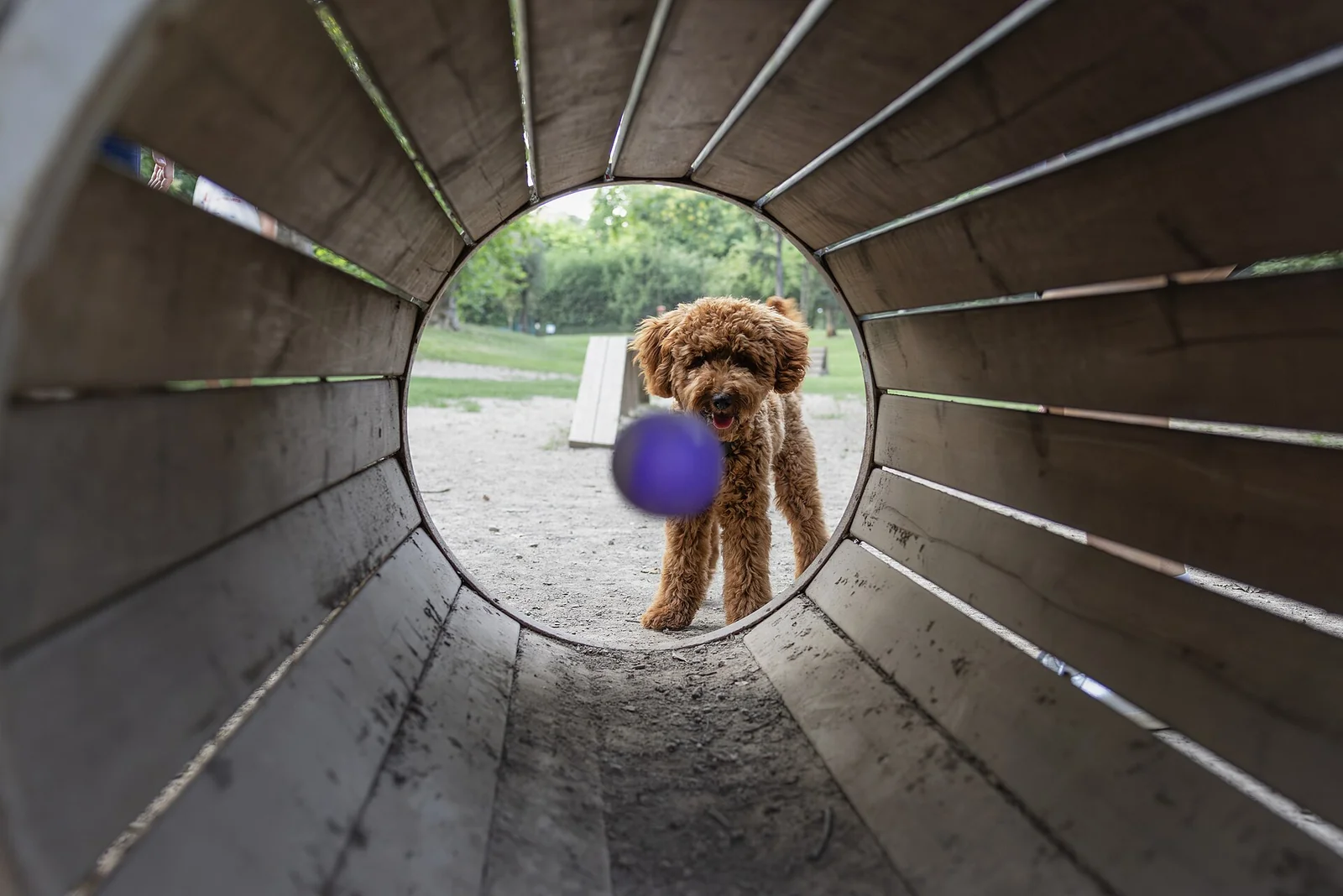
Poodles offer several sizes and often enjoy learning with their people. Their coats require regular care. A Boxer may suit someone who likes an exuberant companion, while a quiet adult mixed-breed dog may fit a calmer household better than any puppy on a breed list. Meet the actual dog and ask how they behave during ordinary days.
Affection needs consent
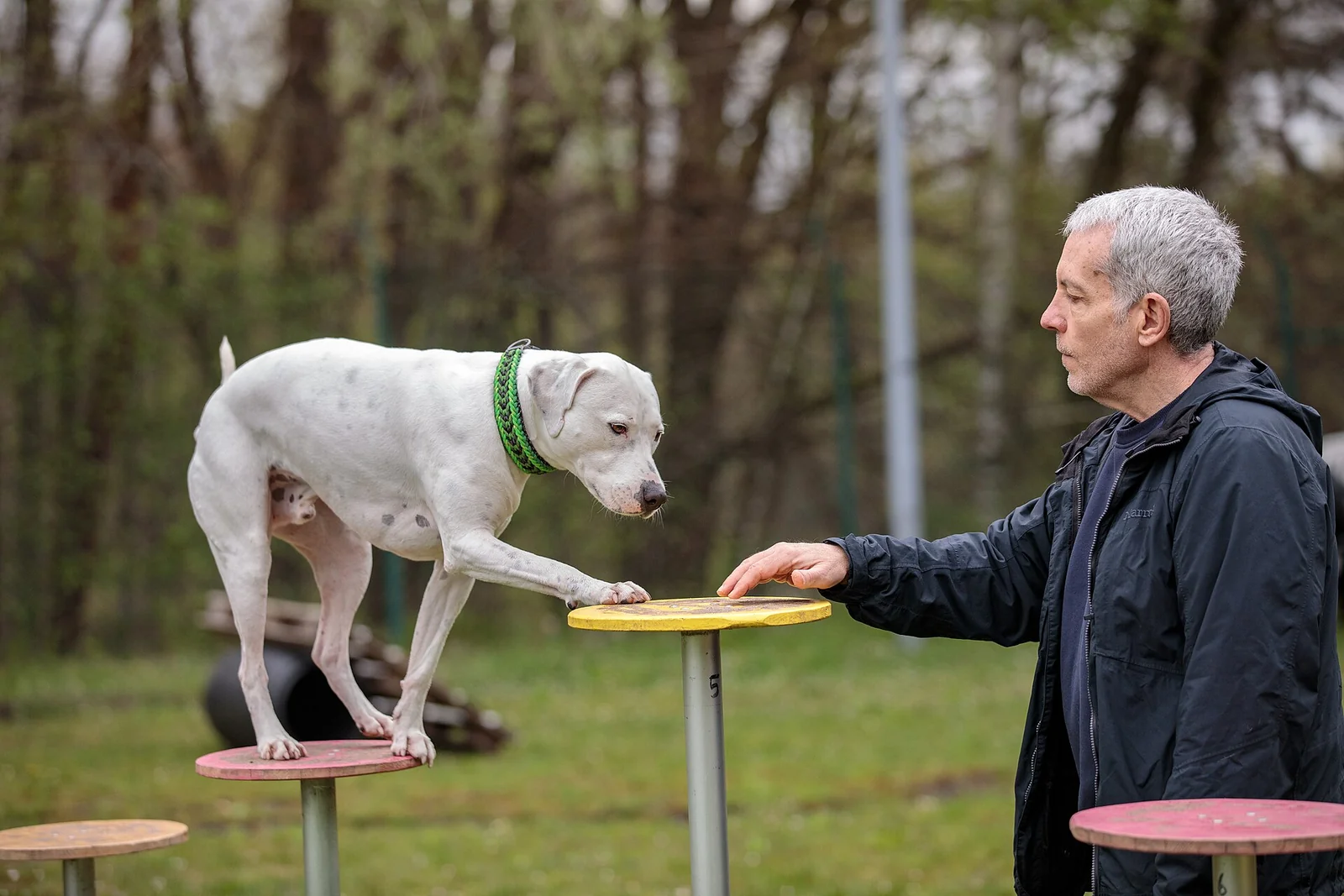
Invite a dog closer instead of reaching over their head. Stroke briefly, stop and see whether they choose to return. Turning away, moving off, stiffening or repeatedly licking their lips can mean the interaction is uncomfortable. Children need adults to help notice those signals; a dog should always have somewhere to rest undisturbed.
A dog who stays close may be enjoying your company, but constant following can also occur when a dog feels uncertain. If proximity comes with panic when you leave, treat that as a welfare issue rather than evidence of exceptional devotion.
Ask questions that predict real life
Before committing, ask about time alone, visitors, other animals, grooming, travel and recovery after excitement. A foster carer may be able to describe those situations more clearly than a short kennel meeting can. Arrange more than one meeting where possible, and bring every household member who will handle the dog.
The best companion is one whose needs you can meet on a wet Tuesday as well as a relaxed weekend. Choose the relationship you can sustain, then let the dog's own way of showing affection emerge.
Further reading: Choosing a dog, Reading body language.
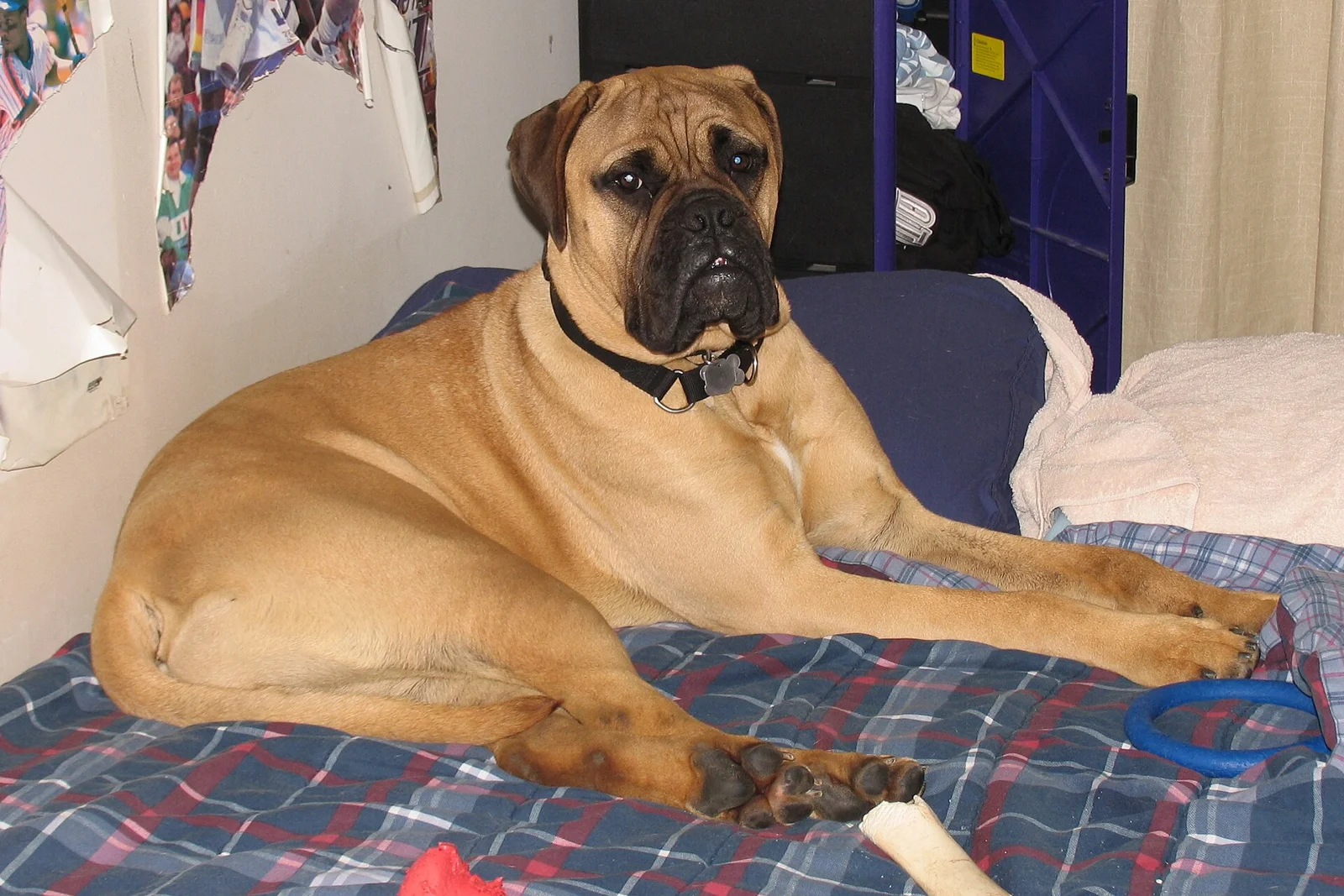
Illustrative photo · Met20 · CC BY-SA 3.0