Archive date follows the original topic. Independently written and reviewed by idoghome on October 29, 2026.
Tiny paws and a compact body do not make a dog a permanent puppy. Toy breeds grow into adults with preferences, boundaries and a need to explore. Choosing one because they look easy to carry can overlook the work that keeps a small dog confident and comfortable.
Small size has genuine advantages. Transport can be simpler, food portions smaller and a bed easier to fit into a modest home. Yet a small dog still needs outdoor access, veterinary care, teaching and safe opportunities to move at their own pace. Apartment suitability depends as much on noise, routine and temperament as floor space.
Meet the personalities behind the size
Yorkshire Terriers are small terriers, and many enjoy investigating rather than being carried everywhere. Their fine coats require a grooming plan, whether maintained long or kept in a practical trim. Papillons often surprise people with their enthusiasm for games and learning. Their delicate appearance should not be mistaken for a wish to sit still all day.
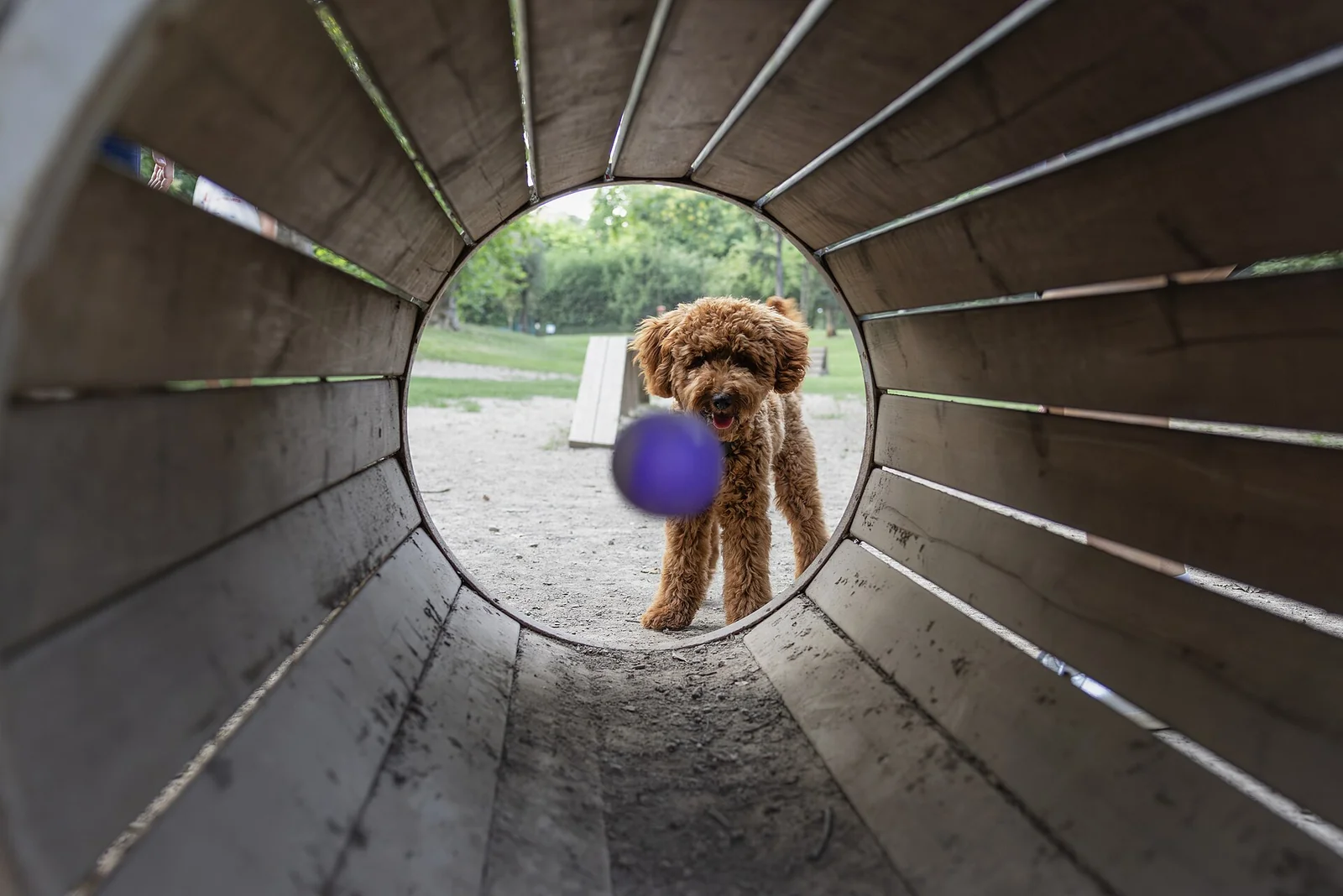
Havanese tend to attract people seeking an involved companion. Ask how the individual dog handles solitude and grooming. Toy and Miniature Poodles can also enjoy active training; their coat care remains a recurring commitment. A Chihuahua may prefer a little space from unfamiliar hands, and respectful introductions matter more than forcing sociability.
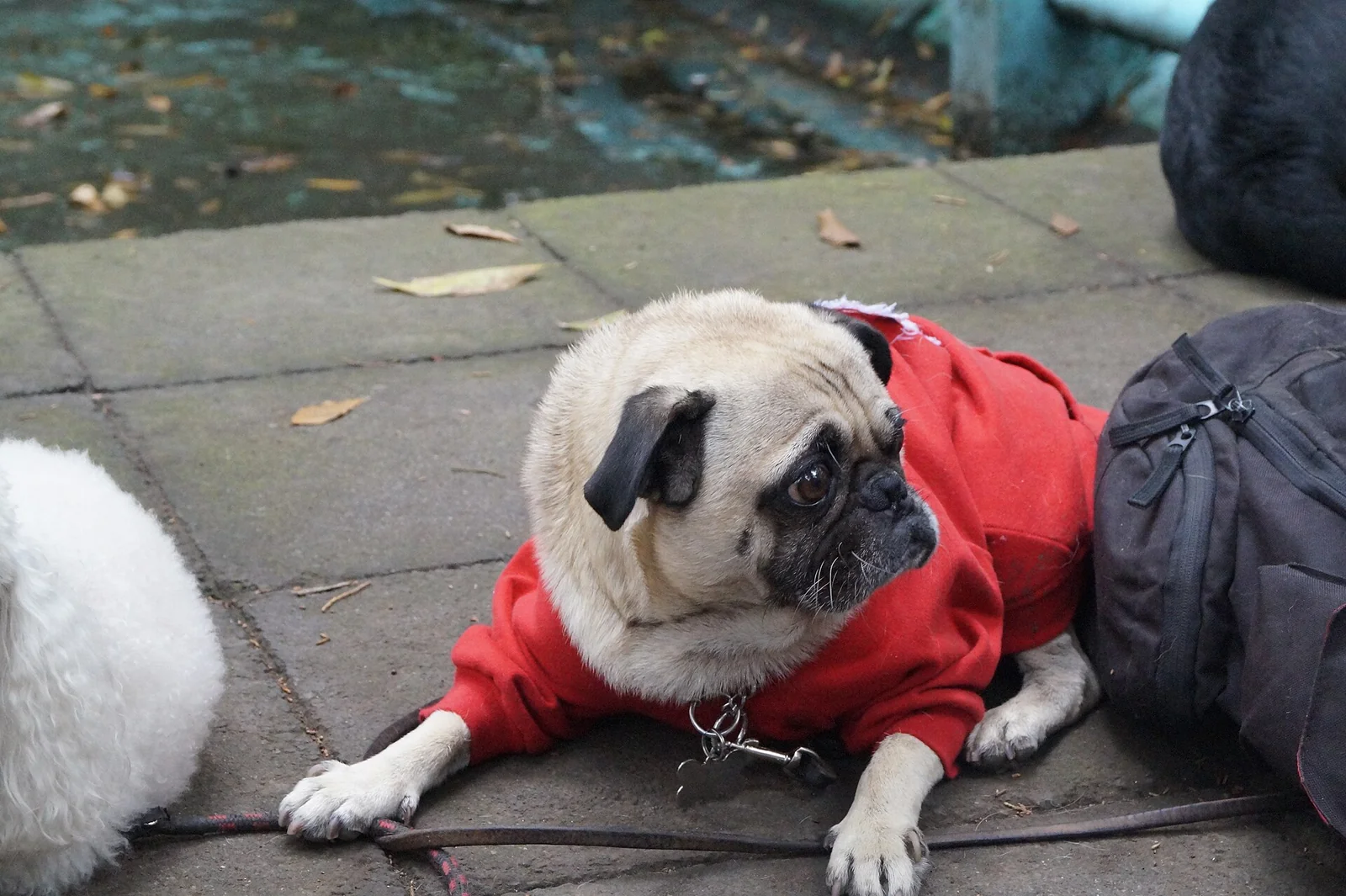
Pugs need a separate conversation about health and breathing. Before choosing one, discuss conformation, heat tolerance and possible airway problems with a veterinarian. Snorting or struggling to recover after mild activity should not be dismissed as a charming breed feature.
Train at dog level
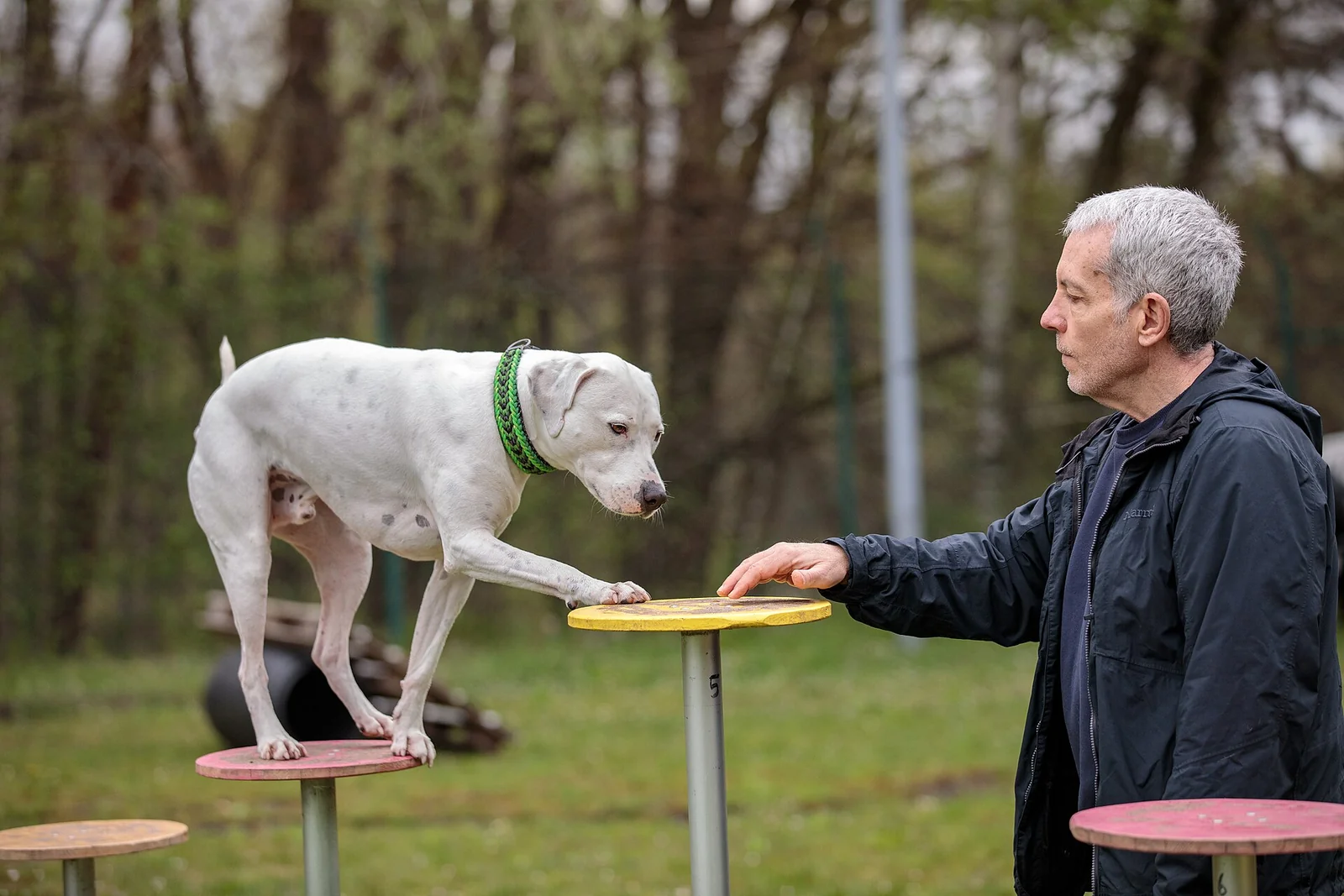
Teach a comfortable harness routine, coming when called, waiting at doors and settling on a mat. Reward four paws on the ground when greeting people. A small dog who barks or growls needs the same careful assessment as a large dog; lifting them away may manage a moment but does not explain what worried them.
Provide routes around furniture and avoid encouraging repeated high jumps from beds or sofas. Supervise play with larger dogs. A friendly larger dog can cause injury accidentally, especially when chase becomes rough or the smaller dog cannot disengage.
Keep the everyday care realistic
Discuss dental care with your vet and introduce handling gradually. Check nails, fit of equipment and coat tangles regularly. Use measured meals appropriate for the individual rather than estimating portions by eye. Treats can become a large share of a tiny dog's diet surprisingly quickly.
Before bringing a toy dog home, spend time with adults of the breed and ask about barking, grooming, health and confidence outside the house. Choose a dog you will enjoy teaching and walking. Their small body is a practical consideration, not a substitute for a full dog life.
Further reading: Responsible dog ownership.
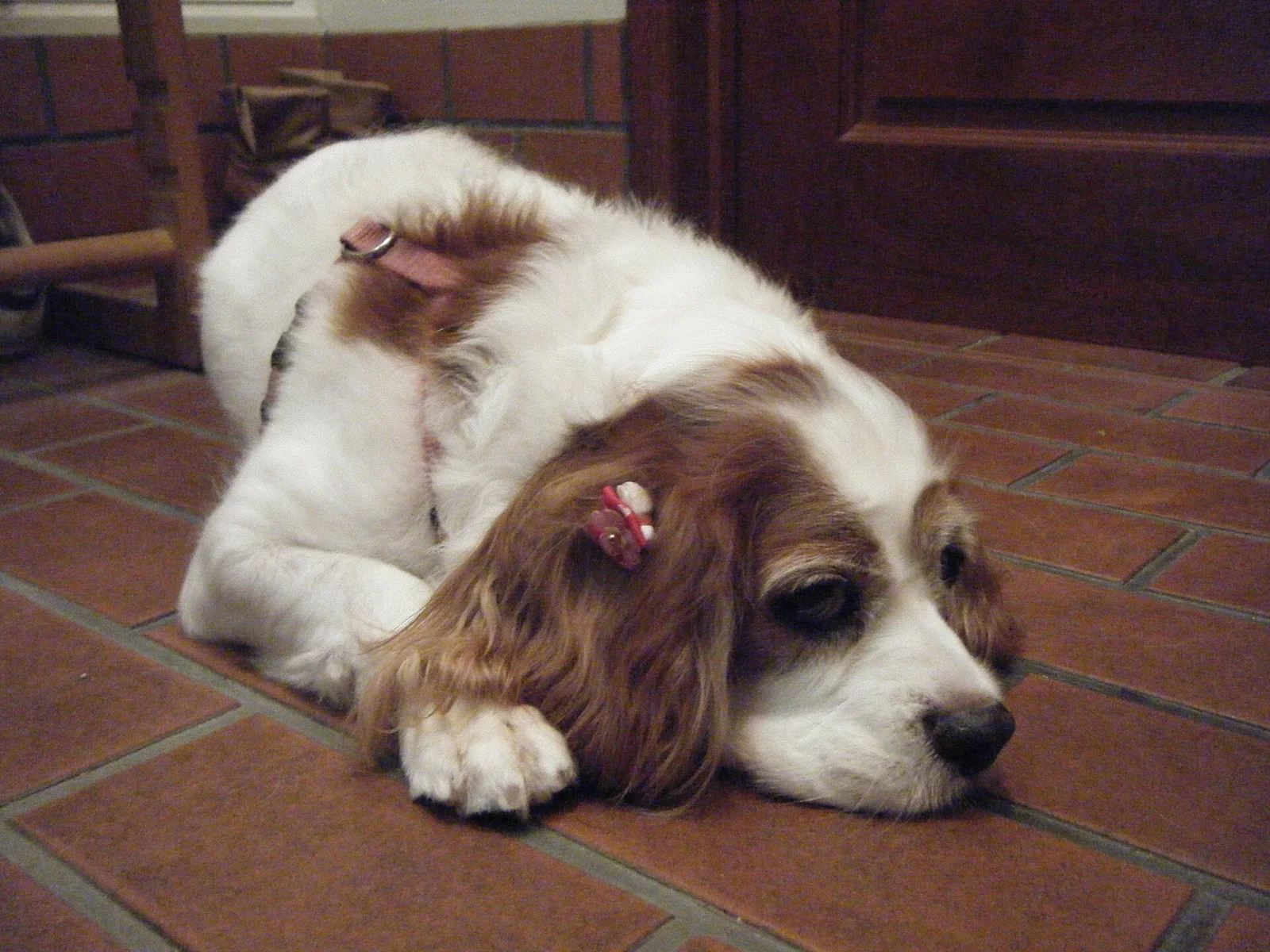
Illustrative photo.