Archive date follows the original topic. Independently written and reviewed by idoghome on October 29, 2026.
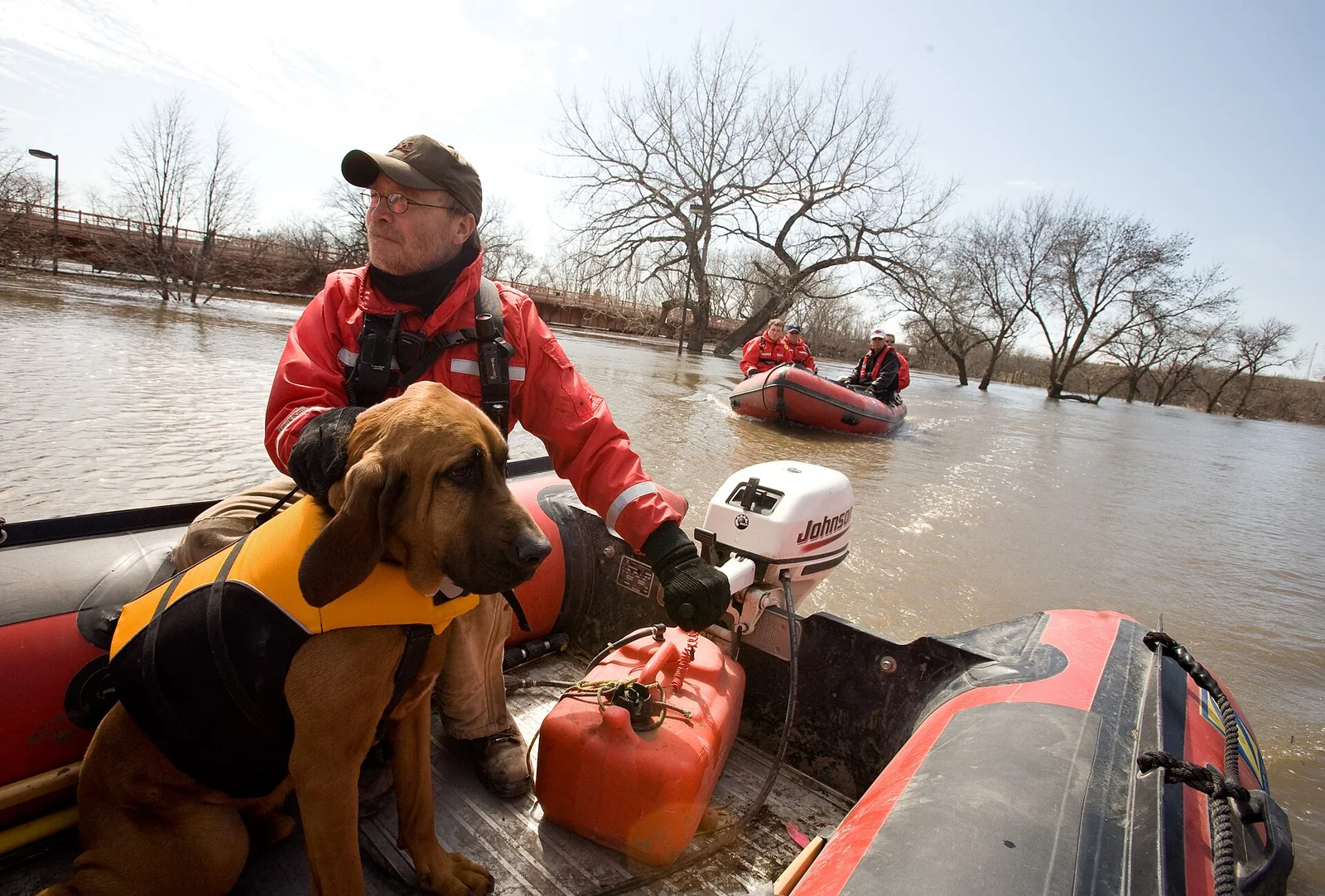
An evacuation moves animals out of immediate danger, but it also creates a new set of care needs. A September 2026 account from iHeartDogs described that challenge at the Animal Protection League in Anderson, Indiana, where flooding forced the shelter to move its animals into emergency arrangements.
The organisation's supporter report said 101 dogs were among the animals evacuated. It described help from volunteers, foster carers and veterinary or rescue partners, followed by cleaning and repairs before normal use of the building could resume. These figures are attributed to that account, rather than presented as an independent audit by idoghome.
Temporary placements became part of recovery
The report said the number of dogs physically at the shelter had fallen to 23 by September 5, as some remained in foster care or found adoptive homes. That is different from saying every evacuated dog had been permanently adopted. Emergency placement and adoption are separate outcomes.
The distinction is useful for anyone following a shelter crisis. A photograph of empty kennels can mean that animals are safe elsewhere while the organisation still carries responsibility for food, medication, records and future placements.
Support needs a destination
Before donating supplies during an emergency, check the shelter's current request. Staff may need a particular size of crate, transport at a specific time or foster carers able to follow a care plan. Unrequested deliveries can create sorting and storage work when space is already limited.
Financial appeals should be checked through the organisation's official channels. If a commercial partner is fundraising, read how the contribution is handled and what the current appeal supports. A past success story is not automatically a live request for the same items.
Foster care requires preparation
A temporary home should know who provides veterinary decisions, which supplies are available and whom to contact if the arrangement becomes difficult. Keep records with the animal and follow instructions about introductions to resident pets. A generous offer works best when expectations are clear on both sides.
It is also reasonable for a household to help in ways other than fostering. Transport, laundry, administrative support or an agreed donation may fit better than taking in an animal without a workable setup.
The APL account illustrates how a shelter's recovery extends beyond the dramatic evacuation. The lasting work is distributed across people who provide space, maintain routines and help the organisation rebuild. Recognising that continuing effort gives a more accurate picture of rescue than counting the first animals carried through a door.
Further reading: iHeartDogs supporter report on APL.
Illustrative photo.