Archive date follows the original topic. Independently written and reviewed by idoghome on October 29, 2026.
Blood donation is one way a healthy dog may help another dog through serious illness or injury. It is also a veterinary procedure involving an animal that cannot fill in a consent form. A good donor programme therefore starts with the dog's health, comfort and suitability, not the owner's wish to help.
Before booking, contact an established local veterinary blood bank or referral hospital. Requirements differ between programmes and countries, so a checklist from somewhere else is a starting point for questions rather than automatic approval.
Check eligibility before planning the trip
Pet Blood Bank UK, for example, publishes requirements concerning age, size, health, temperament and travel history. Its programme normally seeks dogs aged one to eight years weighing over 25 kilograms, with additional conditions. Those are that programme's criteria, not a universal rule for canine donation.
Tell the organiser about all medicines and treatments, including skin products, ear drops and implants. Mention previous transfusions, travel and recent illness. Let the programme decide what is relevant rather than withholding something that seems minor.
Temperament is part of suitability
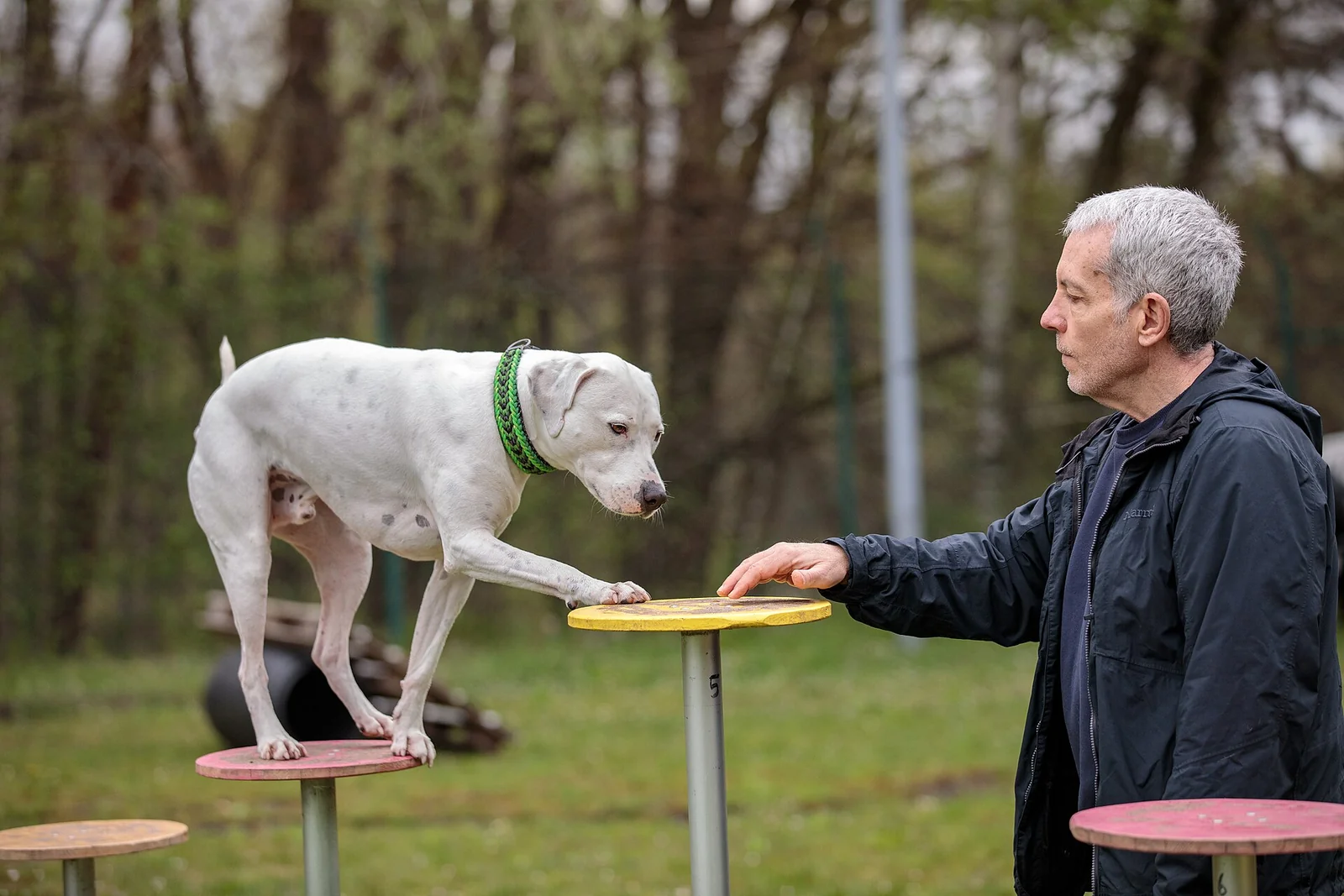
A friendly dog may still find clinical handling frightening. Consider how your dog responds to examinations, unfamiliar rooms and being asked to settle near strangers. Do not force a nervous dog through an event because their size fits the donor criteria.
Ask how the team assesses comfort and what happens if the dog becomes worried. There should be room to stop. A dog's welfare is more important than completing a scheduled donation or earning a photograph for social media.
Ask what the appointment involves
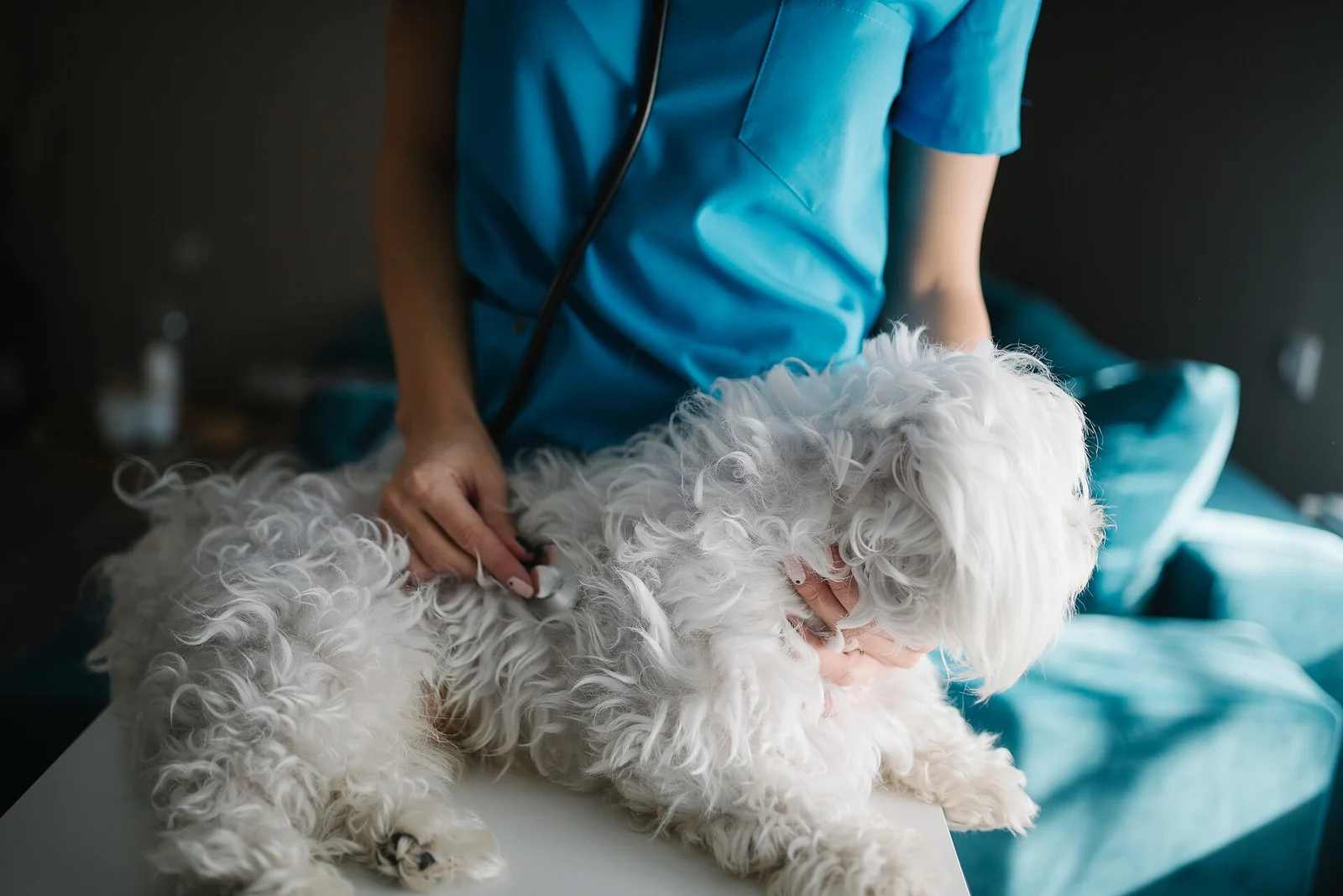
Request the programme's preparation instructions, expected duration and aftercare plan. Ask about health checks, blood typing and the interval between possible donations. Follow the team's advice about food, water and activity rather than borrowing instructions from a human blood-donation appointment.
The programme's owner FAQs explain eligibility details and common practical questions. Read the current version before each visit because a dog's circumstances can change even if they donated successfully before.
Keep communication simple and honest
If your dog develops diarrhoea, coughing, reduced appetite or another health change before the appointment, call the team. Cancellation is responsible, not a failure to help. Keep a record of visits and share relevant information with your regular vet.
After donation, follow the supplied instructions and contact the team about unexpected signs. Avoid scheduling an ambitious outing afterwards just because the dog seems keen to leave the clinic.
Dogs that are unsuitable as donors can still be part of a household that supports the service through fundraising, approved volunteering or sharing accurate information. A successful donor programme depends on suitable dogs having a manageable experience, not on every willing owner finding a way around the criteria.
Illustrative photo · Nenad Stojkovic · CC BY 2.0