Archive date follows the original topic. Independently written and reviewed by idoghome on October 29, 2026.
A low-cost dog accessory is only a bargain if it does the job. Replacing an uncomfortable harness three times can cost more than taking proper measurements before buying one. Equally, a high price does not prove that a product suits your dog.
Start your budget with the routine, not the shop. List what you need for meals, rest, walks, cleaning and appropriate play. Then mark what is already working. That second list is often longer than expected.
Separate an essential from an upgrade
A secure, suitable lead is an essential. A second lead in a seasonal colour is an upgrade. Both may be things you want, but naming the difference helps you choose when money is limited.
Keep room for ongoing care rather than spending the whole budget on equipment. It is easier to resist an accessory bundle when you have already decided how much you can comfortably spend this month. Do not let a temporary discount make that decision for you.
Measure before ordering
For fitted products, take the measurements requested by the maker and compare the actual size chart. Check whether the item can be returned after a careful indoor fitting. Guessing a size often creates postage costs, unusable equipment or a purchase that is kept simply because returning it feels inconvenient.
For beds, measure the space where your dog sleeps and the usable sleeping area in the product. For storage, measure the cupboard or doorway. A large discount does not help if the item does not fit the dog or the home.
Read the care instructions as part of the price
Consider whether a cover can be replaced, whether the whole item needs washing and how it will dry. A spare washable mat may be more practical than one elaborate bed that is difficult to keep clean. Look for ordinary construction details you can assess rather than slogans about luxury or performance.
Think about supplies you already own. A clean household towel can be a dog towel. An ordinary sealed storage container may do the same job as one with a paw print on the lid. Make sure repurposed items remain suitable and safe for their new use.
Be selective with second-hand gear
Some washable household items may be useful second-hand, but inspect condition, hygiene and the manufacturer's guidance. Be particularly cautious with equipment whose safety depends on its history, parts or testing. Unknown damage is not always visible, and an incomplete restraint is not made acceptable by a low price.
Do not buy a damaged clip, worn strap or badly chewed item with the hope that it will last “just for now.” Spend time comparing suitable alternatives instead. If cost is a serious barrier, ask your local rescue or veterinary practice whether they know of community support resources.
Try fewer toys, used more thoughtfully
Notice what your dog actually enjoys and buy accordingly. Rotate a small selection, inspect it and make time to play together. A toy that is ignored does not become more useful because you bought five in a bundle.
Keep a short note of purchases that earned their place. After a few months you will have a personal guide to what lasts, what cleans easily and what your dog uses. That is a better basis for the next purchase than another countdown of things every owner supposedly needs.
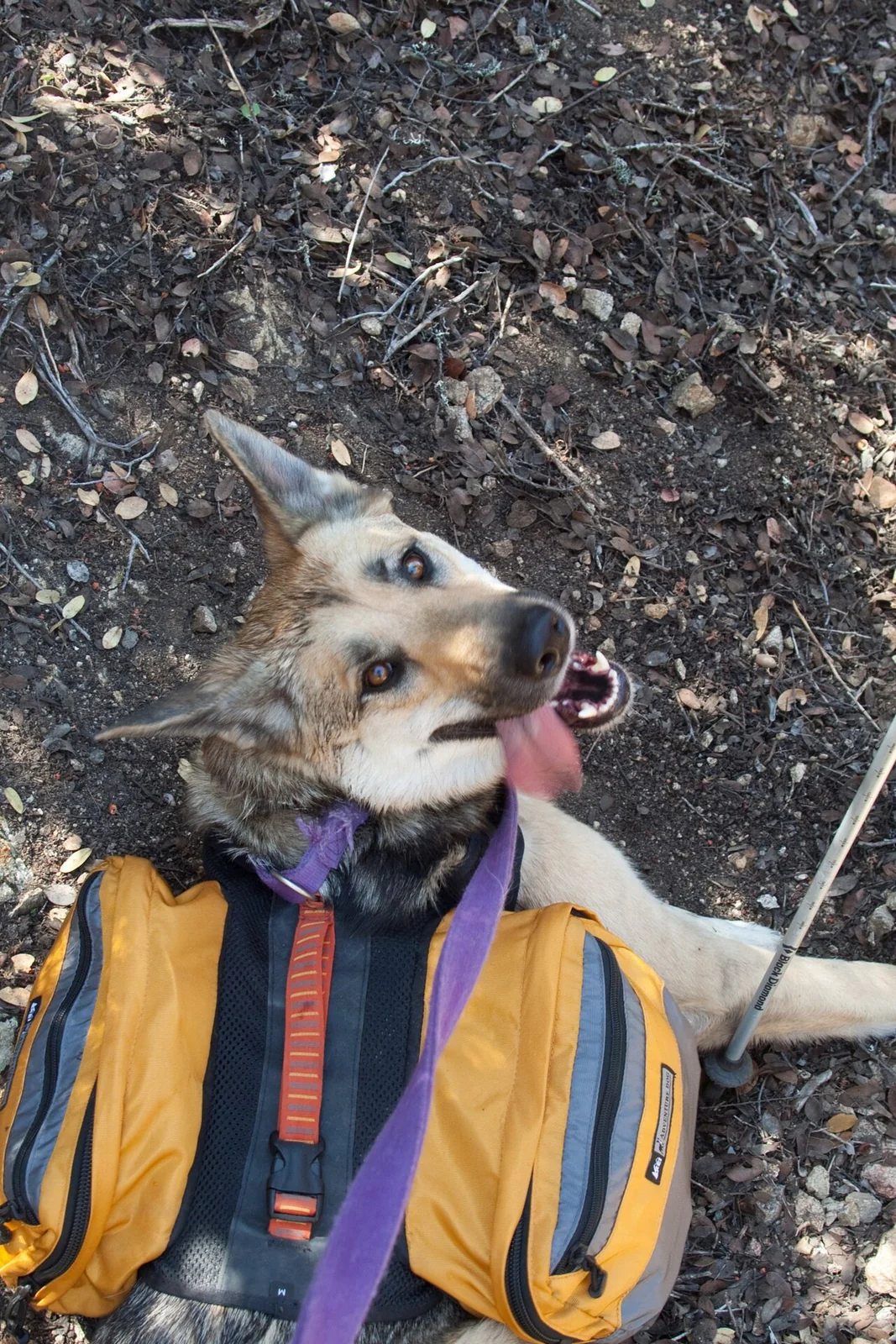
Illustrative photo · J Doll · CC BY 3.0