Archive date follows the original topic. Independently written and reviewed by idoghome on October 29, 2026.
A new puppy does not arrive with a shopping list, which is probably why ours get so long. Before collection day, concentrate on the things that let you feed, supervise, transport and clean up after a small dog. The novelty purchases can wait.
You will also need information. Ask the breeder or rescue about the puppy's current food, routine and equipment before you buy replacements. A familiar item can be more useful on the first evening than a completely new matching set.
Prepare a simple sleeping and supervision area
Choose washable bedding and a quiet resting spot. Think about how you will supervise without giving the puppy immediate access to every room. A suitable gate or pen can help you manage space, but check its height, gaps and fixing instructions for the dog and the place where you intend to use it.
If you plan to use a crate, introduce it gently rather than treating it as somewhere to put a puppy who is upset. The puppy needs enough space to move comfortably. Keep the surrounding area free of cables, household chemicals and objects that are easy to swallow. Blue Cross's bringing-home guidance covers preparation for the journey and arrival.
Start with bowls and familiar food
Have stable, easy-clean bowls ready and make water accessible. Ask how much of the current food to bring home and discuss later feeding changes with your veterinary practice if you are unsure. Avoid filling a cupboard with different chews and treats before you know what suits the puppy.
Measuring food with a kitchen scale or the method recommended for that food is more useful than a decorative scoop with vague markings. Put food storage somewhere the puppy cannot reach, including when they become taller and more inventive.
Choose walking equipment for today's size
Use the manufacturer's measurements for a collar or harness, not a guess based on the puppy's expected adult breed. Check fit frequently as they grow. An item bought several sizes too large is not a sensible way to save money if the puppy can slip out of it.
Add a suitable lead and identification arrangements for your location. Decide how the puppy will travel safely in the car before collection day, and practise fastening unfamiliar equipment while the car is parked. Do not leave that puzzle until someone is waiting outside with a puppy in their arms.
Keep the toy selection small
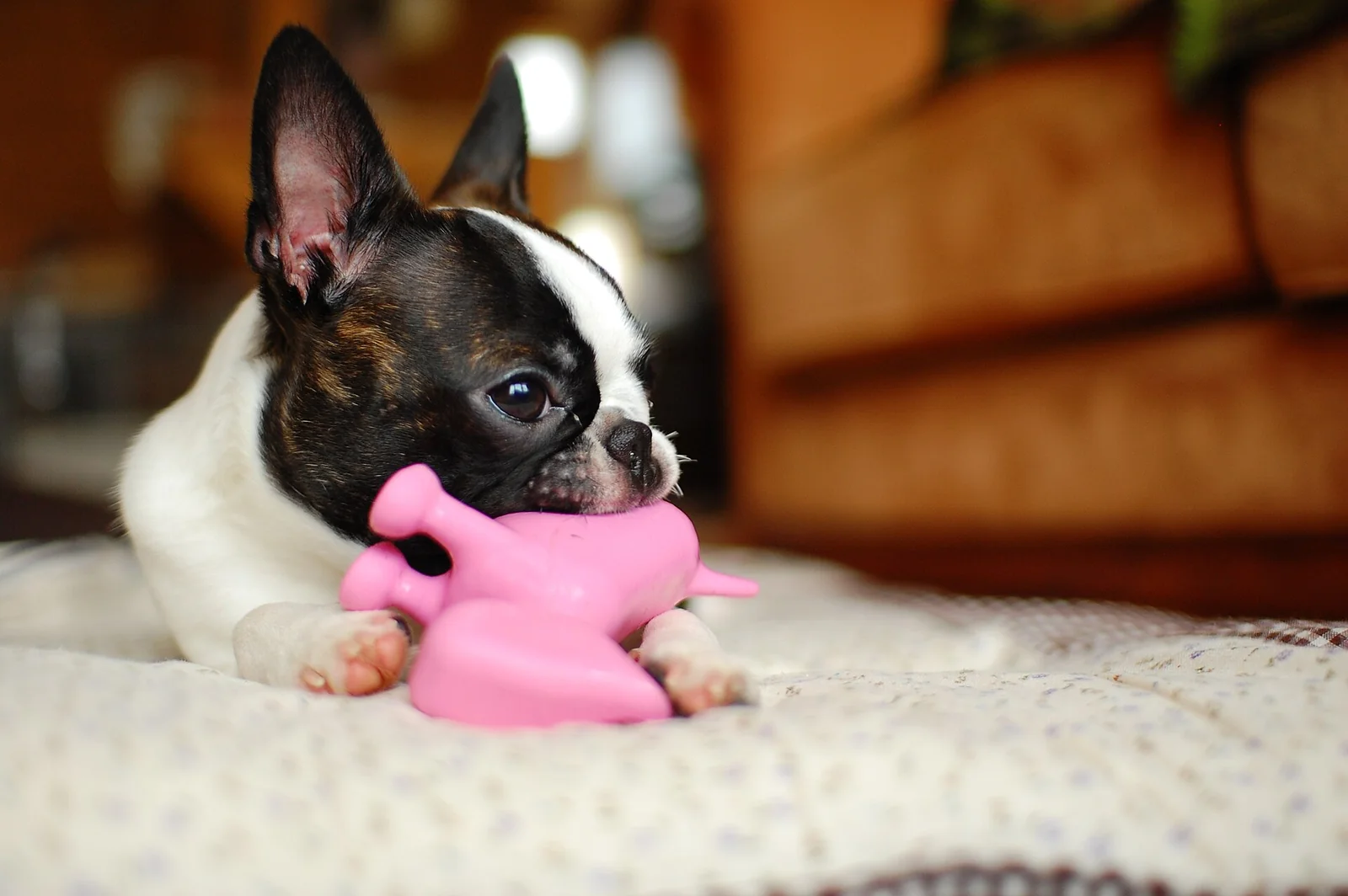
Choose a few appropriate objects with different uses: something to carry, something for supervised play with you, and a suitable chew. Watch how the puppy uses each one. Packaging that says “puppy” does not remove the need to inspect for damage or check size.
Keep cleaning supplies ready but securely stored. Washable towels, spare bedding and a cleaner appropriate for the surface will see plenty of use. Make sure all household members know where those things are, so an accident becomes a quick cleanup rather than a search through cupboards.
Leave money for the next stage
You can postpone the giant toy hamper, designer outfit and elaborate travel bag. A puppy's needs and size change quickly, and the first week will show you what is missing. Keep a short note of genuine problems before buying more. Comfortable rest, safe supervision and a workable routine will do more for the new arrival than a living room full of accessories.
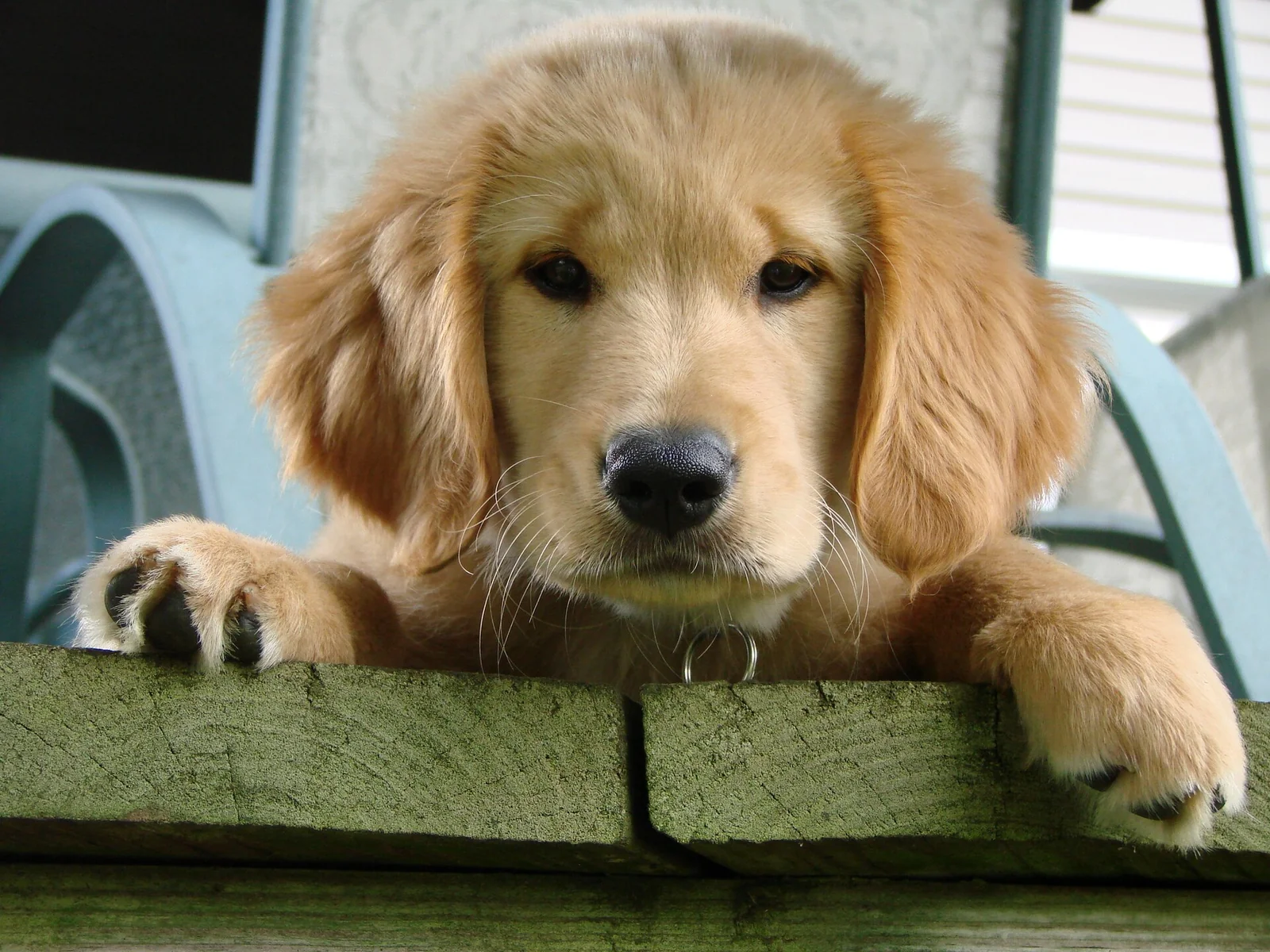
Illustrative photo · MichaelMcPhee · CC BY 3.0