Archive date follows the original topic. Independently written and reviewed by idoghome on October 29, 2026.
You do not need eleven separate dog travel checklists. You need one bag that matches the trip, with the important things easy to reach. Start by thinking through the next twenty-four hours: a meal, a toilet stop, a place to rest and something that does not go exactly to plan.
Pack in groups rather than dropping items into the bag as you remember them. It makes the first stop easier, and it helps you see what needs replacing before the journey home.
Put the next stop in the outer pocket
Keep water, a bowl, waste bags and a suitable lead readily accessible. Add a towel if the weather or destination makes wet paws likely. You should not have to unload half the car to offer a drink or deal with a small mess.
Check that water containers close securely and test collapsible bowls before relying on them. Keep the lead somewhere you can reach before opening a vehicle door. Separate clean supplies from used towels and other damp items so the whole bag does not become unpleasant by lunchtime.
Keep meals familiar and measurable
Bring the food your dog normally eats in suitable sealed storage, along with a way to measure it. Work out the amount needed for the trip and a sensible reserve for an ordinary delay. Check restrictions on transporting pet food across borders before packing an international journey.
Avoid filling the bag with a selection of unfamiliar treats simply because they are sold as travel products. Take what suits the dog's established diet. Clean bowls after use and let them dry rather than packing away food residue for the next stop.
Give documents their own place
Keep required records, booking confirmations and useful contact details protected and accessible. Save digital copies as backups, but check whether the route requires original documents. Include your usual veterinary practice, a practice near the destination and an emergency contact.
For international travel, work from the official requirements for the departure point, destination and return journey. USDA APHIS's pet-travel pages provide a starting point for journeys involving the United States. The bag should contain the documents your route actually needs, not a generic collection downloaded from the internet.
Pack for rest as well as activity
A familiar washable mat or cover can help you create a recognisable resting place. Bring one or two suitable familiar toys rather than the whole basket. Consider where the dog will settle while you eat or unpack, and make sure your equipment supports that plan.
Medication belongs in its proper packaging with the instructions available. Follow storage directions and discuss travel quantities with the veterinary practice in advance. Do not transfer everything into unlabelled containers to make the bag look neater.
Make a refill card
Put a short list inside the bag: refill water, replace waste bags, wash towel, check food and collect documents. Tick it before leaving each place. This catches the supplies that were present at the start of the holiday but used up two days ago.
After a short practice outing, remove items you genuinely did not need and add anything you had to borrow. Keep emergency essentials even if they were unused. A well-packed bag is not necessarily the fullest one; it is the one that lets you care for your dog without turning every stop into a search.
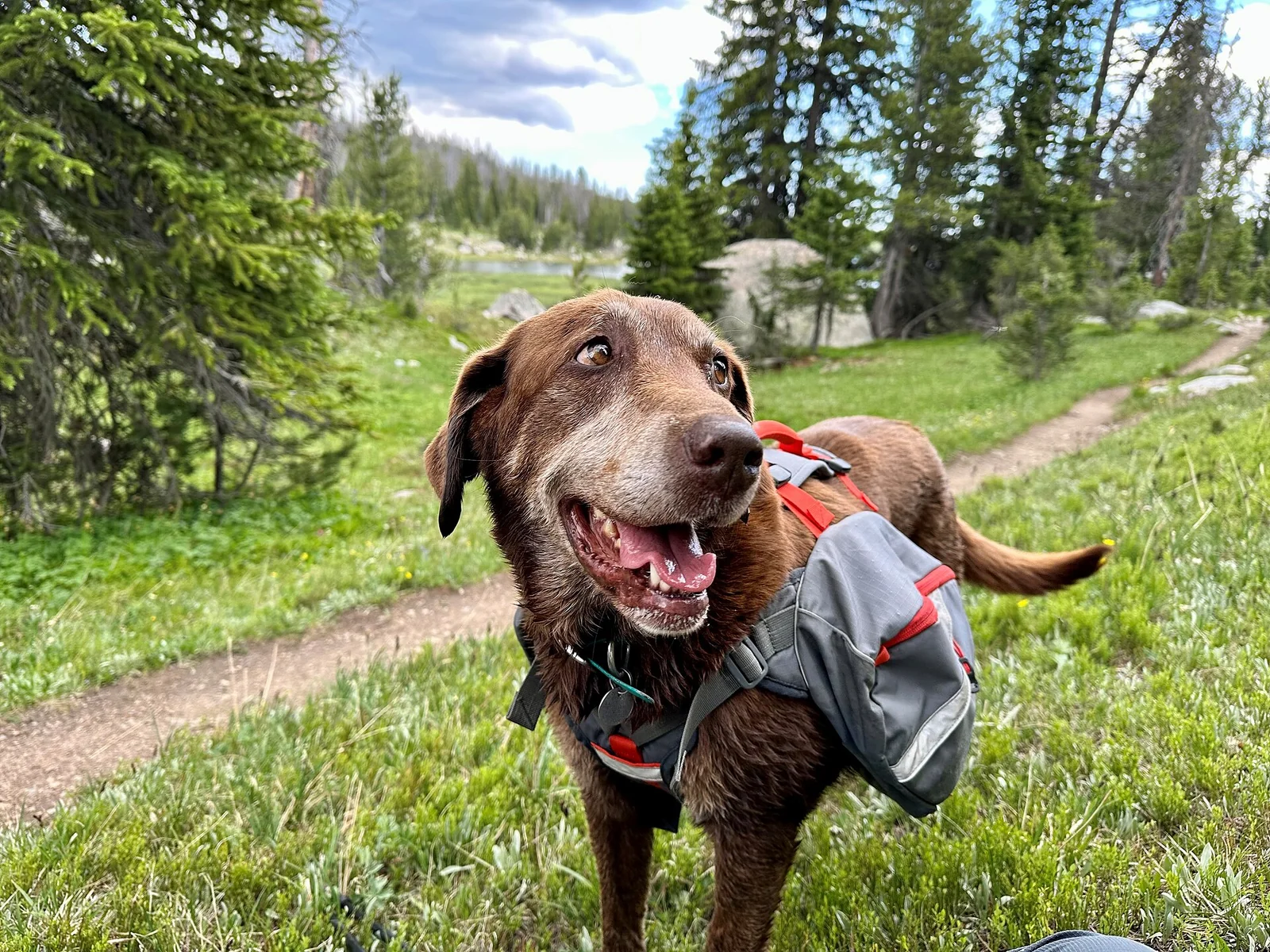
Illustrative photo.