Archive date follows the original topic. Independently written and reviewed by idoghome on October 29, 2026.
A wagging tail is only one part of a conversation. To understand a dog, look at the body around it and the situation that produced the movement. A loose dog approaching willingly presents a different picture from a stiff dog staring while the tail moves quickly.
It is tempting to describe a dog as guilty, offended or delighted because the expression resembles a human one. Those descriptions can be affectionate shorthand, but they should not decide how we respond. Observable behaviour gives us a firmer starting point than a story about what the dog must be thinking.
Look for patterns, not a single sign
Notice posture, facial tension, movement and whether the dog can approach or leave freely. Compare the moment with their normal behaviour. A dog who regularly rests nearby may be comfortable without constantly seeking touch. Another may enjoy play but need a quiet space afterwards.
A lowered head after someone discovers a mess does not establish that the dog understands a past wrongdoing. They may be responding to the person's voice, posture or previous experience. Clean up calmly, improve management and teach the relevant skill in the situation where it matters.
Make safety easy to choose
Provide a resting place where nobody follows the dog. Let them move away from visitors or handling. When introducing something unfamiliar, start at a distance where they can still eat, investigate or disengage. Forcing a close encounter can make the experience harder rather than build confidence.
Young dogs may become more cautious as they develop. Avoid explaining every concern with a fixed “fear period” calendar; individual development and experiences vary. If a familiar dog suddenly fears ordinary things, consider pain, illness or a recent event and seek appropriate advice.
Notice changes in ordinary life
Reduced interest in walks, hiding, disrupted sleep or a change in appetite can have several causes. They should not automatically be labelled depression or stubbornness. Keep a brief record and arrange a veterinary assessment when the change persists or is marked.
Similarly, a dog who growls when touched is not simply being moody. Stop the interaction and consider discomfort or fear. Punishing the warning does not explain the underlying problem. A professional can help when the behaviour is difficult to interpret or creates a safety concern.
You do not need to decode every ear movement perfectly. Give the dog choices, notice what helps them settle and respond early when they seem uncomfortable. Over time, careful observation builds a clearer picture of your own companion than a list of universal signs ever could.
Further reading: Body language, Stress signs.
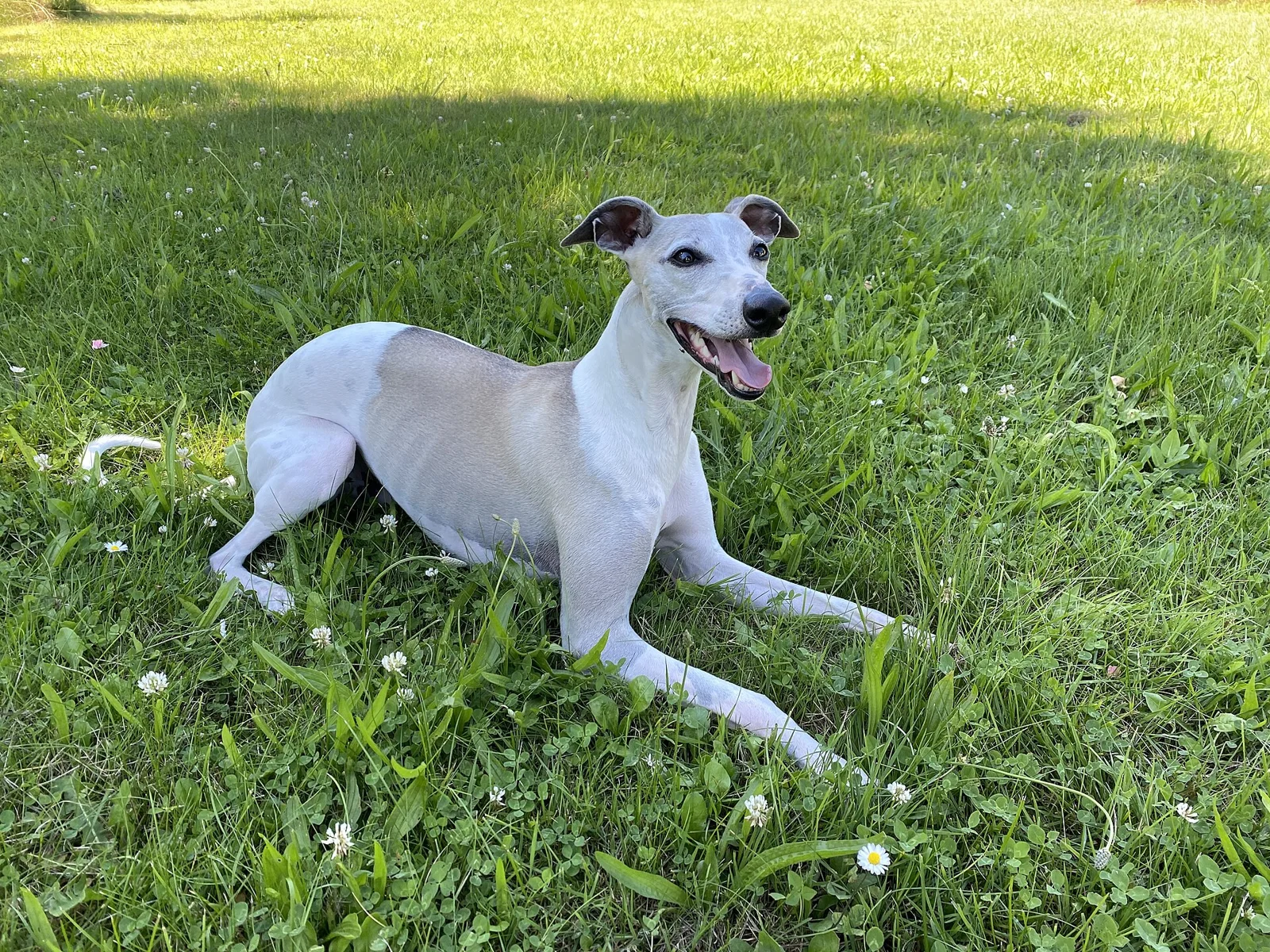
Illustrative photo.