Archive date follows the original topic. Independently written and reviewed by idoghome on October 29, 2026.
Training is not only the moment when you give a cue. It is also the pause afterwards, when your dog looks away, moves closer or decides they would rather investigate the door. Those responses give you information about the lesson.
Paying attention does not mean that every glance has a secret meaning. It means watching the whole dog, in the setting they are in, and being willing to make the exercise easier.
Learn what relaxed looks like for your dog
Notice your dog during familiar, comfortable moments. How do they stand when they are interested? What does their face look like when they rest? How do they ask for a game? A personal baseline is more useful than deciding that one tail position explains every dog.
During practice, look for changes from that baseline. Dogs Trust advises considering the whole body and situation. Moving away, sudden tension or repeated attempts to avoid you are reasons to pause and check what the dog is finding difficult.
Make a break an ordinary part of the session
After a few repetitions, stop asking for anything. Put your hands down and give your dog room. They may stay nearby, sniff the floor or wander off. You can use that pause to check whether both of you want another turn.
If your dog leaves repeatedly, do not keep drawing them back for “one last try.” Choose a quieter location, a simpler task or another time. A short successful interaction is easier to repeat tomorrow than a long argument over a treat.
Let the reward answer a practical question
What is your dog willing to work for here? The answer may change with the setting. Ordinary food can be useful at home, while a favourite toy may be more interesting during a game. Some dogs value being released to sniff after walking a few steps with you.
Offer rewards thoughtfully rather than using them to lure a worried dog into a situation they cannot handle. A dog following food past their comfort point may still be frightened once the food is gone. Give them a way to remain at a comfortable distance.
Notice the relationship outside lessons
Companionship does not require constant contact. Your dog may choose to rest across the room rather than on your lap. Dogs Trust notes that connection can look quiet, including relaxing nearby or seeking reassurance.
Leave space for walks with unhurried sniffing, play without a target skill and rest without interruption. A household in which everything becomes a test can be tiring for both dog and owner.
Give yourself something simple to improve
For your next session, choose one human habit to change. You might deliver rewards sooner, stop repeating a cue or pause when your dog looks uncomfortable. That is a more workable aim than trying to become a perfect trainer in an afternoon.
If interactions regularly involve fear, growling or conflict, seek veterinary and qualified behaviour support. Listening to your dog includes recognising when the conversation needs help. For everyday skills, clear information and room to respond make a good place to start.
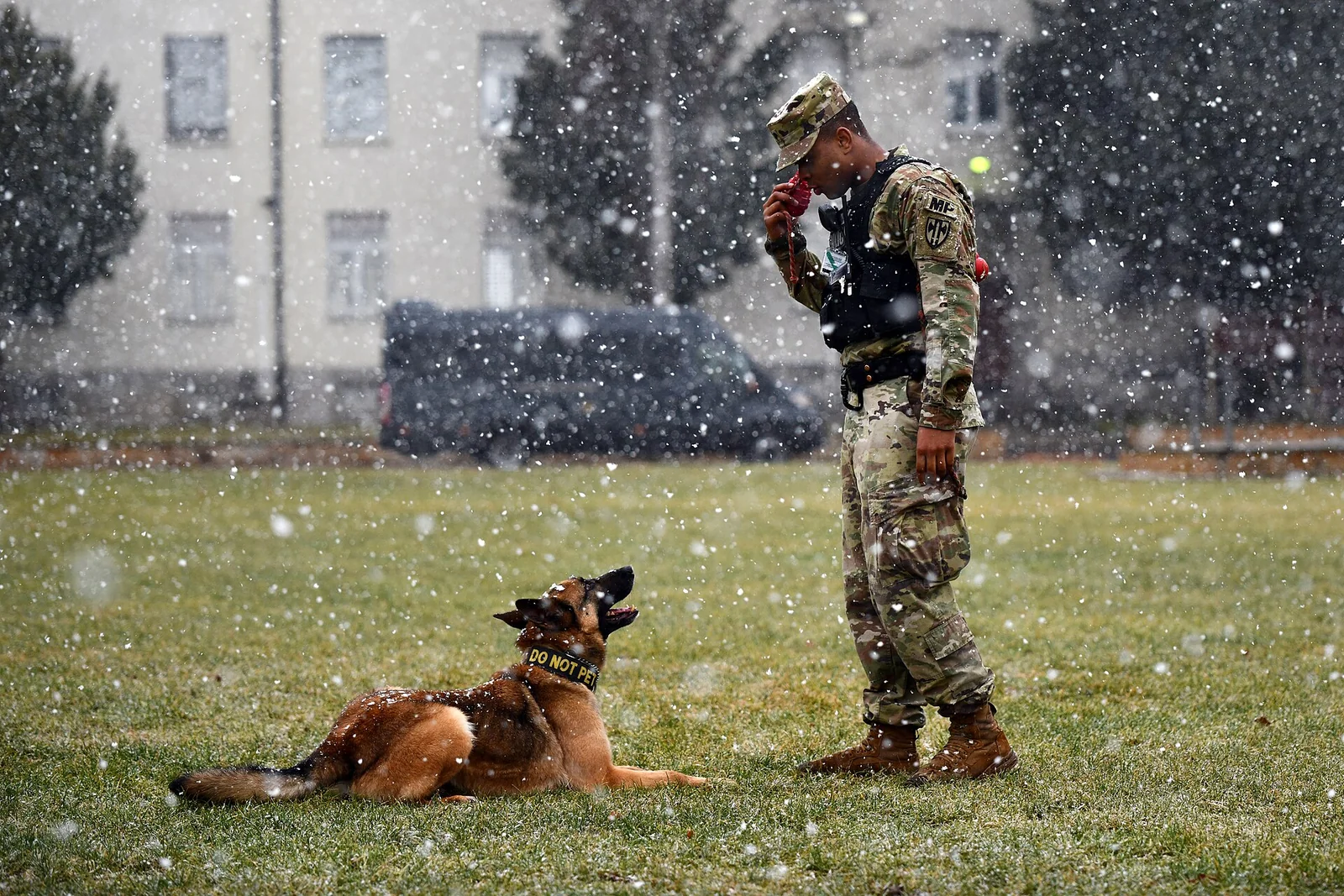
Illustrative photo.