Archive date follows the original topic. Independently written and reviewed by idoghome on October 29, 2026.
A blue eye, an unusual mask or a neatly divided tricolour coat can make a dog memorable. None of those details tells you whether the dog will enjoy your household, walk comfortably beside you or need extensive health care. Colour is worth understanding, but it belongs near the end of a sensible selection process.
Blue eyes do not have one explanation across all dogs. Research involving thousands of dogs identified a genetic duplication associated with blue eyes in Siberian Huskies. Other pigmentation patterns involve different mechanisms. A photograph alone cannot establish the genetics behind an individual dog's appearance.
Ask what the colour claim means
A seller may use “rare” to describe a colour that is unusual locally, a nonstandard marking or simply a look that photographs well. Ask for the actual description and relevant parental information. A premium price does not demonstrate better health or more responsible breeding.
Do not assume blue eyes automatically mean a dog is blind, or that a normal-looking eye is healthy. If an eye changes appearance, becomes painful or develops discharge, seek veterinary advice. Inherited appearance and a new clinical change are different questions.
Beagle colours still come with Beagle needs
Beagles are familiar in tricolour coats, but colour variation should not distract from their scent-hound interests and daily requirements. Ask about the individual dog's activity, vocal behaviour, handling and time alone. A preferred marking will not make an unsuitable routine work.
Puppy coats can change as they mature. If colour is important to you, discuss realistic expectations with a knowledgeable breeder, but keep health records and temperament ahead of a promised final shade. A rescue dog's uncertain ancestry does not make them less capable of being a good companion.
Anatolian Shepherds are more than fawn coats
The AKC lists several colours and markings for the Anatolian Shepherd Dog, including fawn, brindle and white. The familiar fawn dog with a dark mask is not the only appearance within the breed. More importantly, this is a livestock-guardian background that deserves careful research into management and suitability.
A large guardian's needs do not become simpler because its colour is unusual. Meet adults, ask about boundaries and visitors, and understand how the dog will fit the setting you can provide.
Enjoy a dog's distinctive appearance, then return to the practical questions: documented health, comfortable movement, a manageable temperament and a sustainable care routine. A beautiful coat can catch your attention. The life behind it should determine the decision.
Further reading: Canine blue-eye genetics study, Anatolian colours, Beagle information.
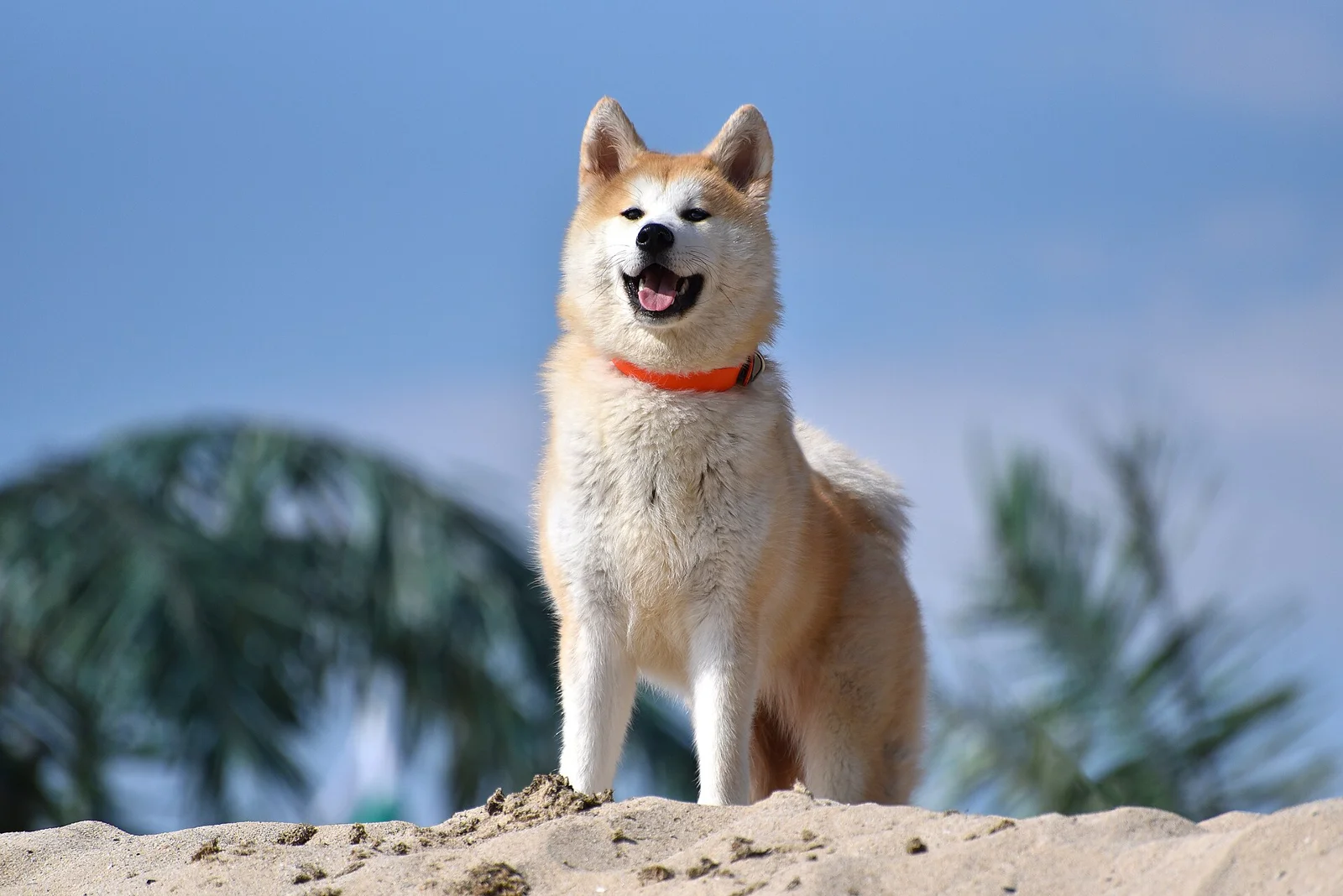
Illustrative photo · Biser Yanev · CC BY-SA 4.0