Archive date follows the original topic. Independently written and reviewed by idoghome on October 29, 2026.
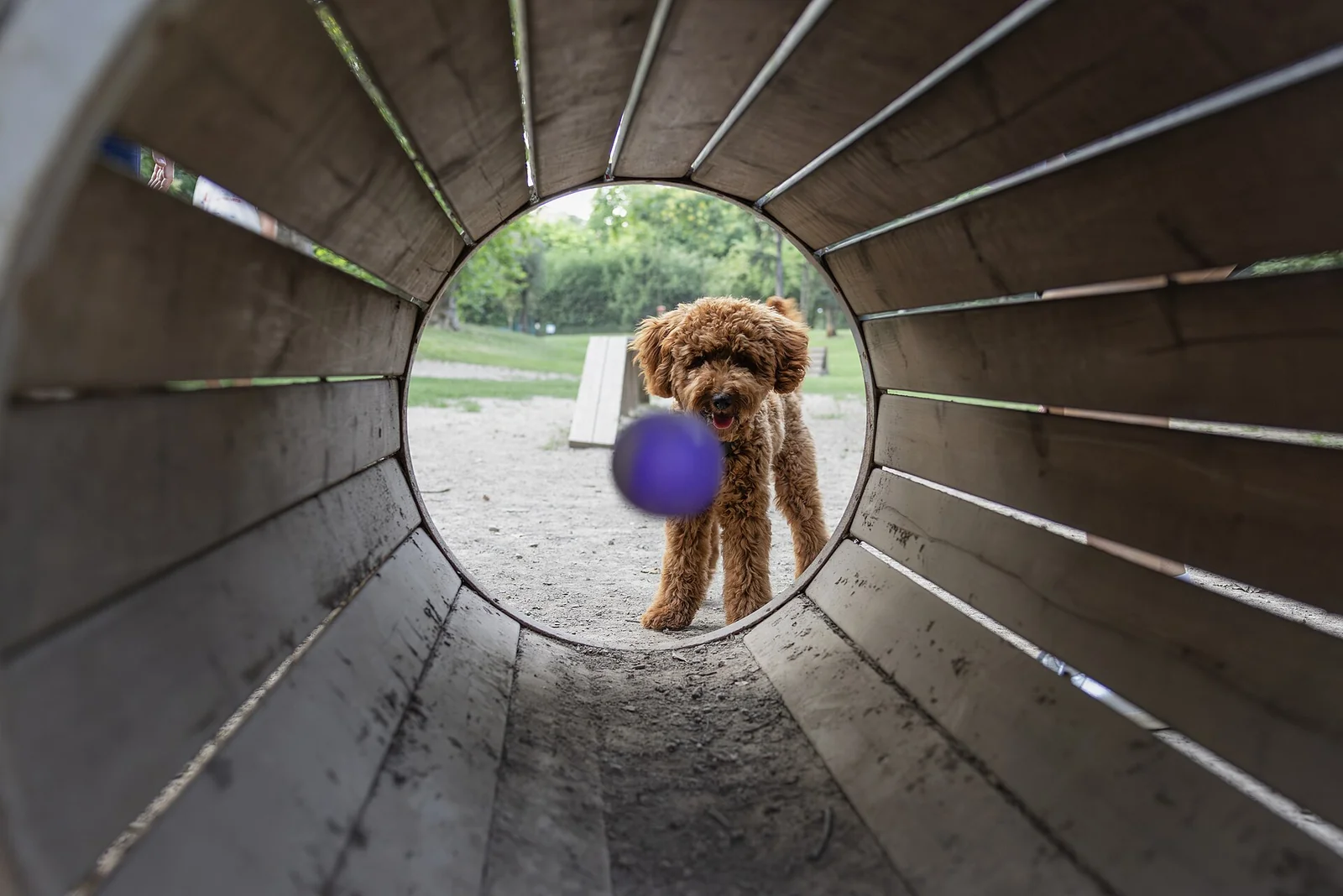
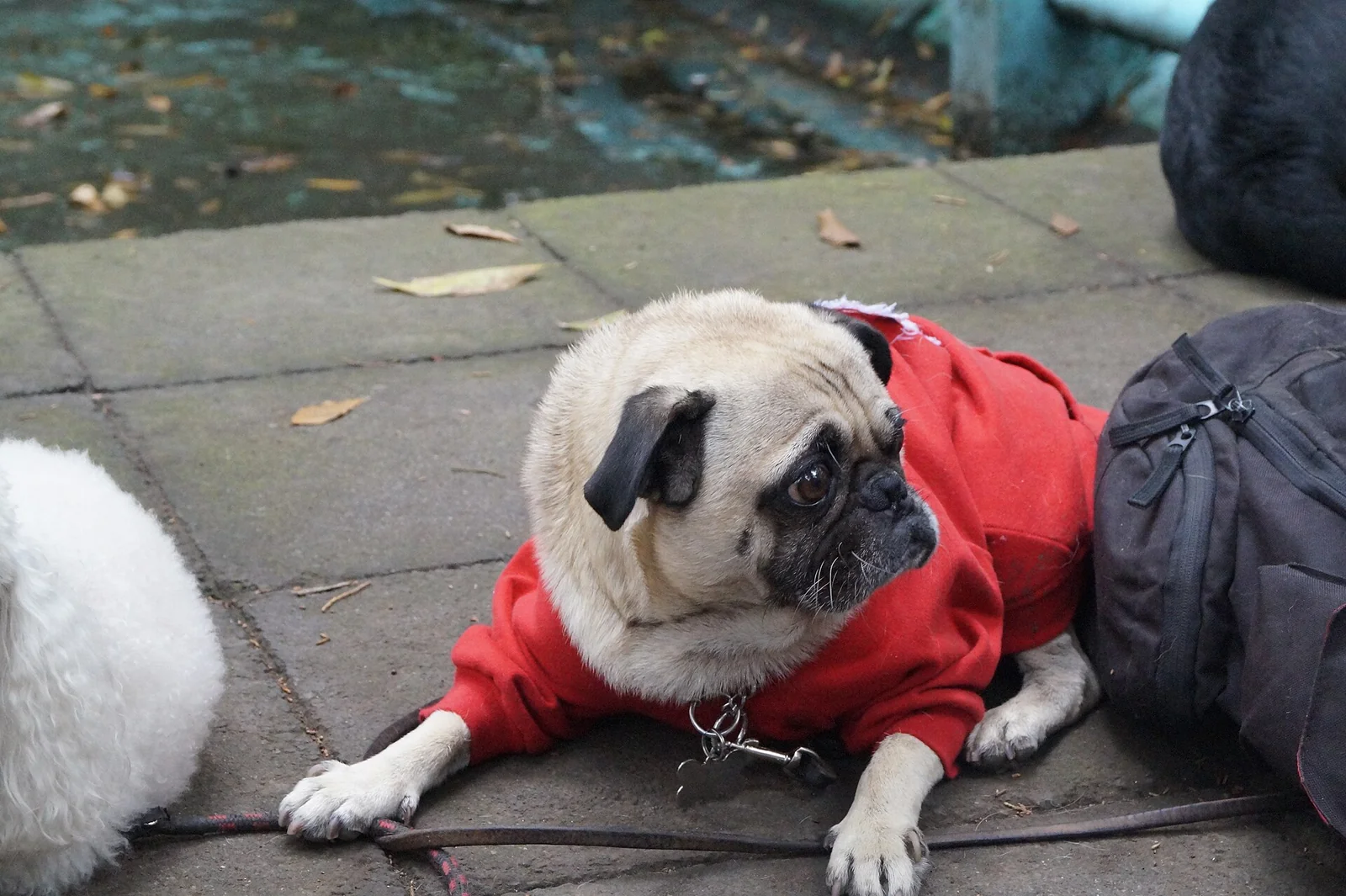
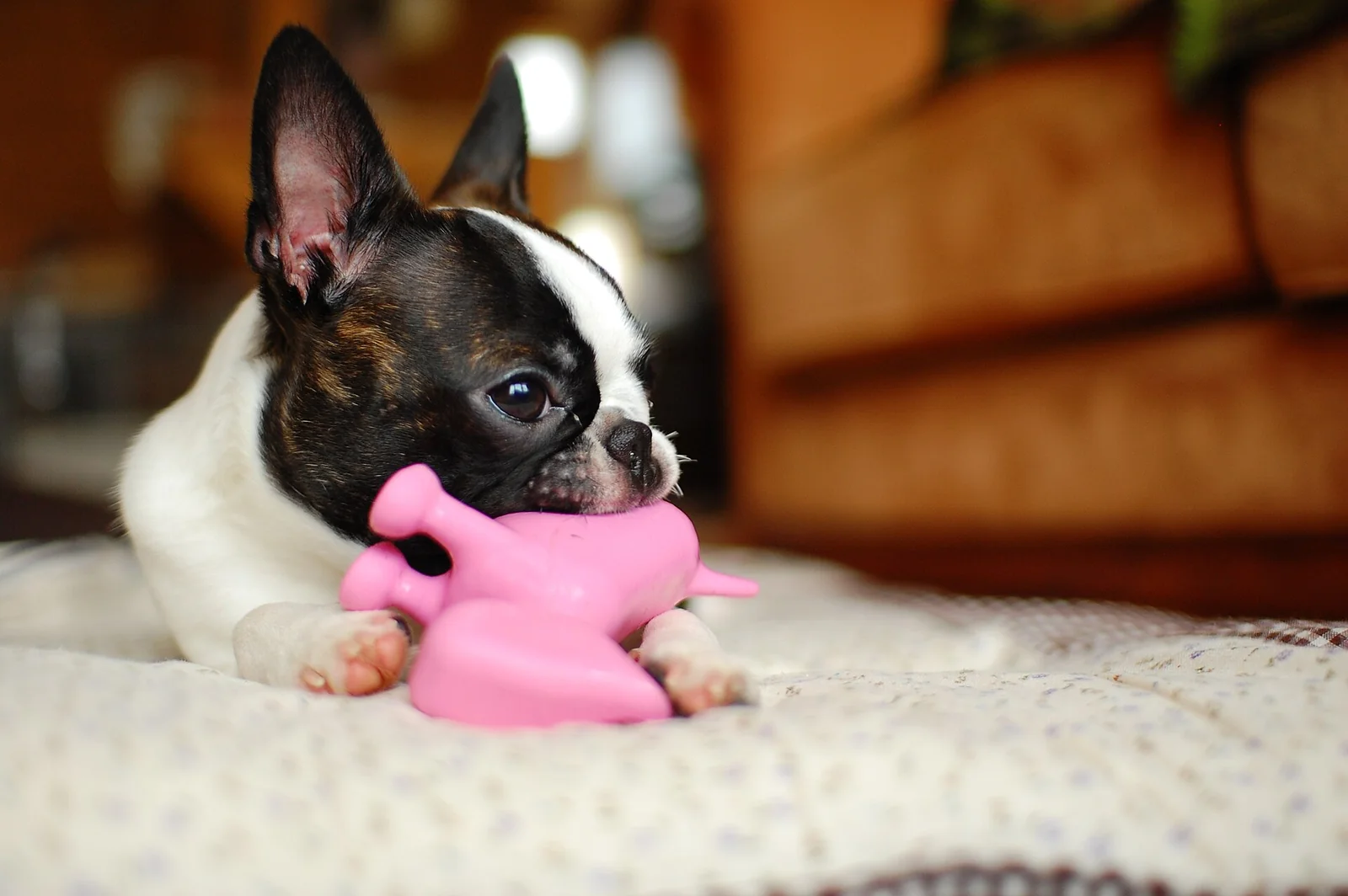
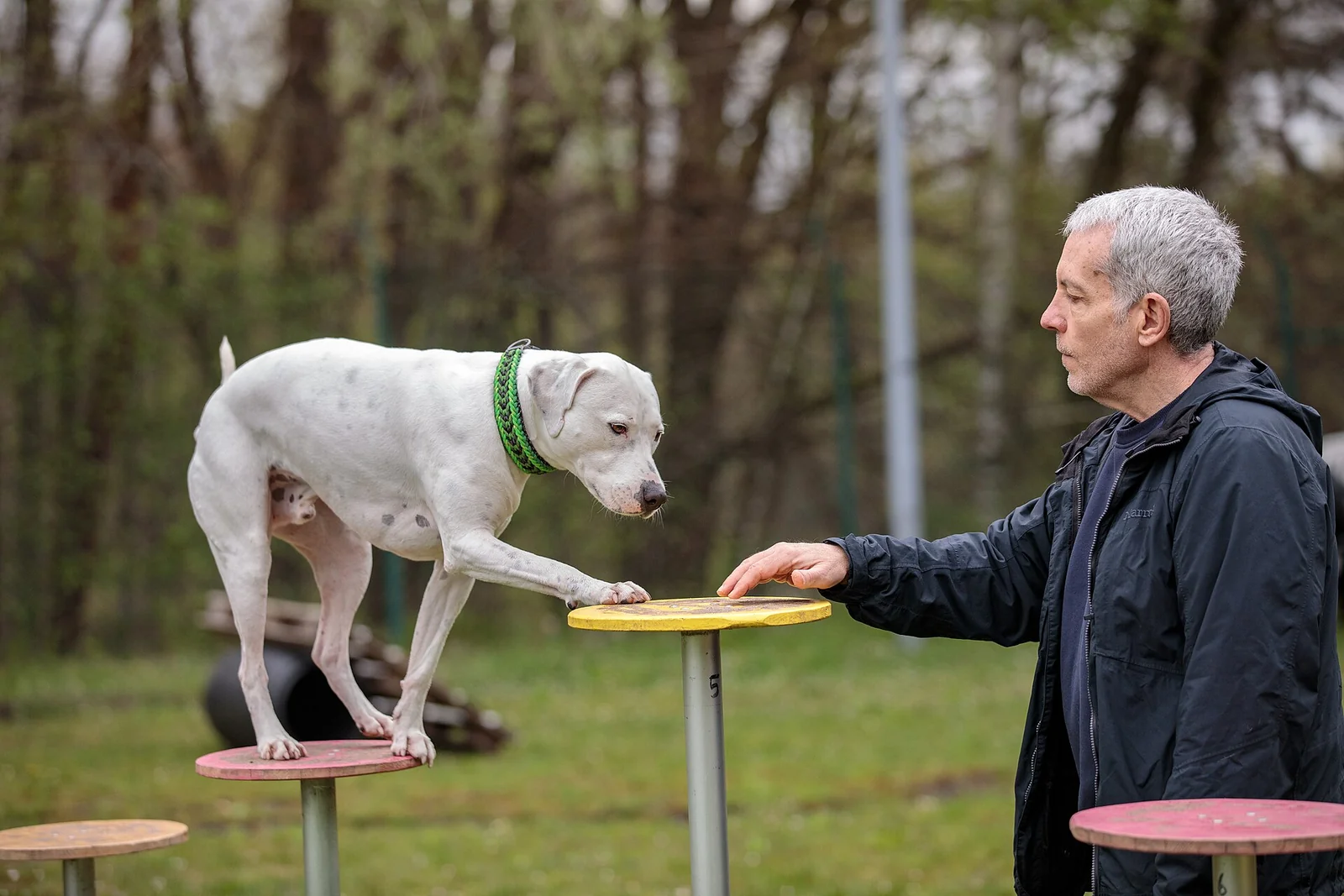
A dog tilts their head at a sound, barks at a mirror or stares into an apparently empty corner. Those moments invite a story. Perhaps the dog understands every word, thinks another dog is trapped in the glass or has noticed something supernatural. The observation is real; the explanation needs more care.
Begin by describing what happened without assigning a motive. What sound was present? Could the dog see movement or a reflection? Did the behaviour stop when the situation changed? This approach is more useful than collecting a long list of confident explanations for one ambiguous moment.
A head tilt is not a complete translation
Researchers have studied head tilting in dogs during object-name tasks, including dogs with unusual word-learning abilities. That work suggests the behaviour deserves careful study, but it does not explain every tilt during music, conversation or an unfamiliar noise.
A brief, relaxed tilt in an otherwise comfortable dog is different from a persistent head position accompanied by imbalance, discomfort or other changes. If the behaviour is new, sustained or associated with illness, ask a veterinarian rather than treating it as a cute quirk.
Reflections can be puzzling without proving a theory
Dogs may investigate, vocalise at or ignore a mirror. Reactions vary with experience and context. A dog who stops responding after repeated exposure may simply find the reflection unimportant. That does not let us read their private understanding of selfhood.
Avoid repeatedly provoking a worried reaction for a video. Create distance, cover the surface temporarily if needed and let the dog encounter it at a manageable level. If reflection chasing or fixation interferes with ordinary life, seek professional advice.
Unseen does not mean supernatural
Dogs can respond to sounds, smells and subtle movement that people overlook. An owner may not identify the trigger immediately. That gap in our observation is not evidence that the dog sees ghosts, nor does a list of scientific-sounding possibilities establish a supernatural claim.
Check the environment calmly: appliances, outside activity, insects, light patterns and familiar routines. Keep a record if the behaviour repeats. Sudden or persistent changes deserve a health assessment, especially when the dog also seems confused or distressed.
Curiosity is part of the pleasure of living with another species. We do not need to answer every odd moment with certainty. Notice the context, protect the dog's comfort and leave room for a question to remain a question until better evidence is available.
Further reading: Exploratory head-tilting study.
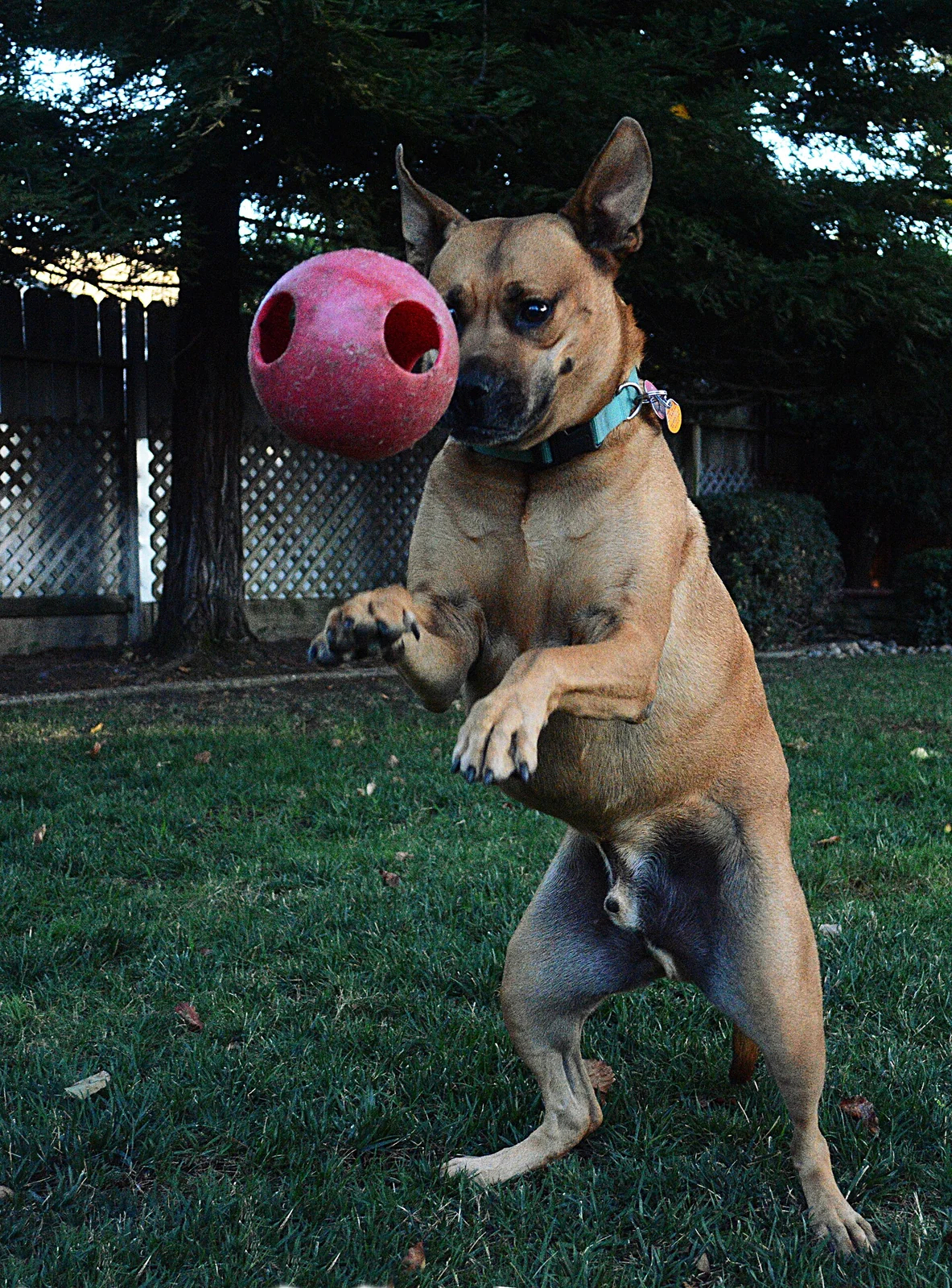
Illustrative photo · Eric Sonstroem from California, USA · CC BY 2.0