Archive date follows the original topic. Independently written and reviewed by idoghome on October 29, 2026.
A crunchy biscuit can look as though it ought to scrub a dog's teeth. A recipe might also contain parsley, coconut oil or an ingredient described as antibacterial. None of those details demonstrates that the finished treat reduces plaque in a dog's mouth. Enjoying a snack and treating dental disease are separate matters.
Home baking can still be fun. The useful question is whether you want to make a small reward or choose a product with evidence for a particular dental claim. Knowing which job you expect prevents disappointment later.
Check the exact claim
The Veterinary Oral Health Council's accepted-product list distinguishes products with evidence for plaque, tartar or both. Look up the exact product and size rather than assuming everything from a brand has the same acceptance. A seal does not mean a chew is suitable for every dog or that dental examinations are unnecessary.
Follow the feeding directions and age or weight restrictions. Count the calories. A chew that disappears in one gulp needs a different safety assessment from one the dog works on carefully, even if both dogs weigh the same.
Keep brushing gentle and realistic
The University of Illinois veterinary clinic explains the role of home dental care alongside professional assessment. Ask your vet to demonstrate a brushing approach suited to your dog and use a toothpaste intended for pets. Human toothpaste is not a substitute.
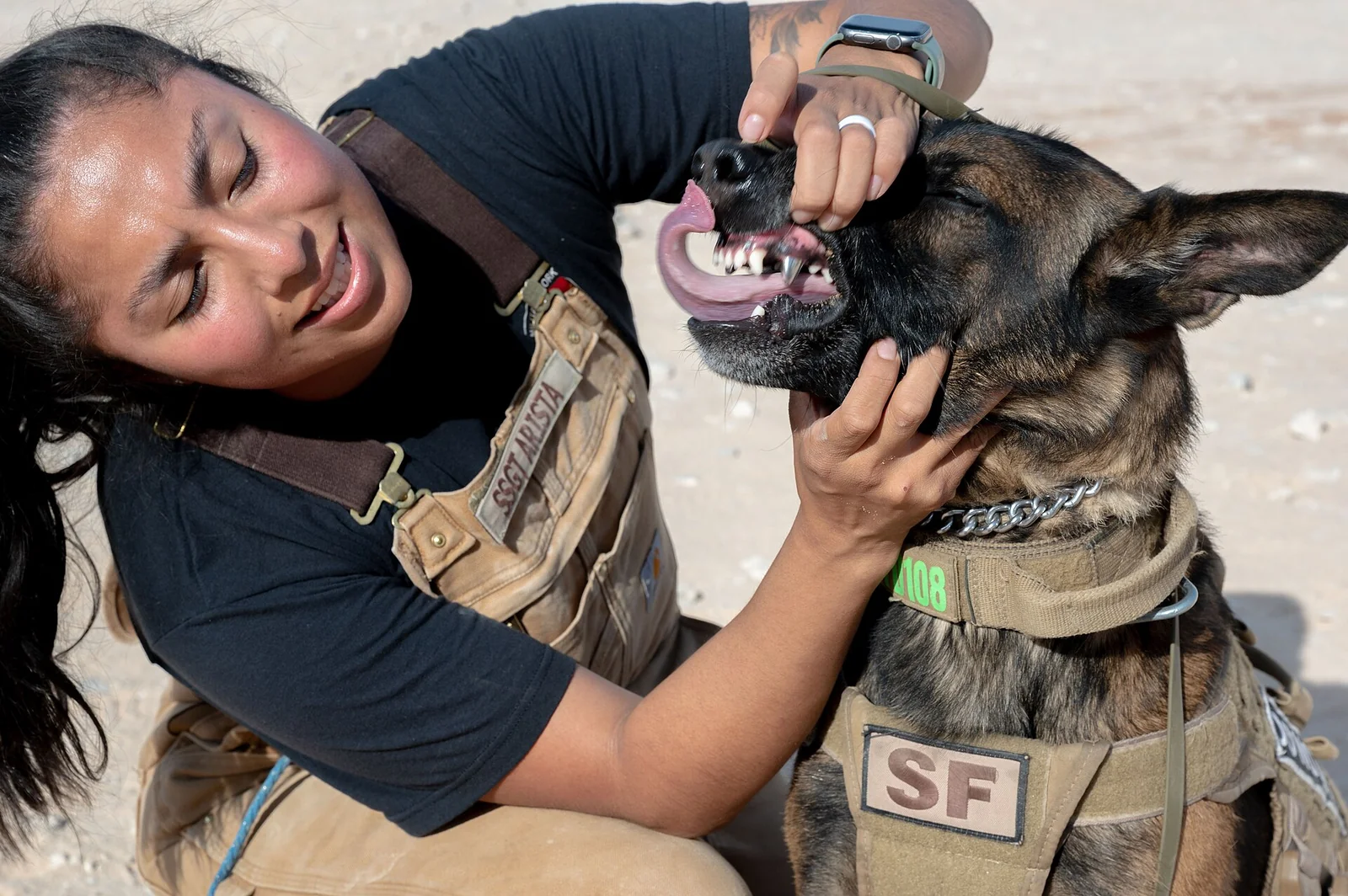
Begin with a comfortable moment rather than wrestling a tired dog into position. Reward accepting a touch near the cheek, then build slowly. If the dog pulls away, freezes or seems sore, stop. A sudden objection to mouth handling can be a reason for an examination, not a training problem to push through.
Harder does not mean better
A rock-hard chew is not automatically more effective. Bones and very hard objects can damage teeth, and pieces can be swallowed. WSAVA warns about the injury and obstruction risks of unsuitable treats. Choose chewing activities with your dog's teeth and habits in mind.
Supervise, remove small remnants and check reusable toys for wear. Keep a written note of any bleeding, one-sided chewing or reluctance to eat a normally welcome texture. Those observations help a vet decide what needs investigating.
Let a homemade treat stay a treat
If you bake something suitable for your dog's diet, make it small and avoid attaching medical promises to the recipe. Fresh-smelling breath after a minty snack says little about the health of the gums or the structures beneath them.
Set a simple routine you can sustain: comfortable home care, an appropriate food or chew if advised, and scheduled dental checks. Ask what signs should bring the next appointment forward. A realistic routine will do more for your dog's mouth than collecting a cupboard of products whose claims you have never checked.
Illustrative photo.