Archive date follows the original topic. Independently written and reviewed by idoghome on October 29, 2026.
The best part of a homemade dog treat is often the attention that comes with it. Your dog does not need orange icing for Halloween or a miniature roast dinner in December. A little familiar food, offered in a different way, can make the occasion feel special without turning supper into an experiment.
These ideas are occasional extras for dogs already comfortable eating the ingredients. Dogs on prescribed diets, with food allergies or with a history of digestive trouble need their veterinary team's approval first.
Start with the smallest batch
Set aside a small portion rather than making a tray of treats that somebody feels obliged to finish. Try one ingredient at a time. If your dog has never eaten pumpkin, a celebration is a poor moment to introduce pumpkin, yoghurt, oats and peanut butter together. You would have little idea which ingredient disagreed with them.
WSAVA's treat guidance recommends keeping extras below ten percent of daily calories. For some dogs the allowance needs to be smaller. Treat size should suit the dog's mouth and eating style, not the size of a novelty biscuit cutter.
An orange autumn taste
Use plain cooked pumpkin, with skin, stalk and seeds removed, mashed smooth. Check tins carefully: pumpkin pie filling is different from plain pumpkin. Offer a tiny spoonful alongside a few pieces of your dog's usual food. That is enough for an autumn snack; sugar, butter and spice mixes add nothing your dog needs.
Plain cooked carrot can provide a similar orange accent. Let it cool and cut it into manageable pieces. For a dog that gulps food, a soft mash may be easier to offer safely than large chunks. Stay nearby while any treat is being eaten.
A cool lick for warmer days
Spread a thin layer of the dog's usual suitable wet food on a food-safe lick mat and chill it. If freezing, allow it to soften before serving, and supervise so the mat itself does not become a chew. A shallow smear is easier to manage than a hard frozen lump.
This is enrichment, not treatment for overheating. A dog struggling in the heat needs cooling and veterinary advice, not a frozen dessert. Keep water freely available and choose a comfortable indoor spot.
Keep the holiday kitchen organised
Prepare the dog's portion before adding sauces or seasonings to human food. Label the container and put it out of reach. Ask guests to use only the allocated dog treats; six people each offering “just one” can quietly become a second meal.
Keep chocolate, raisins, grapes, alcohol and foods containing xylitol away from dogs. The ASPCA's food hazard guide explains why familiar kitchen ingredients can be unsafe. Store leftovers promptly and discard anything spoiled. A dog will enjoy another small treat tomorrow without needing to finish today's batch.
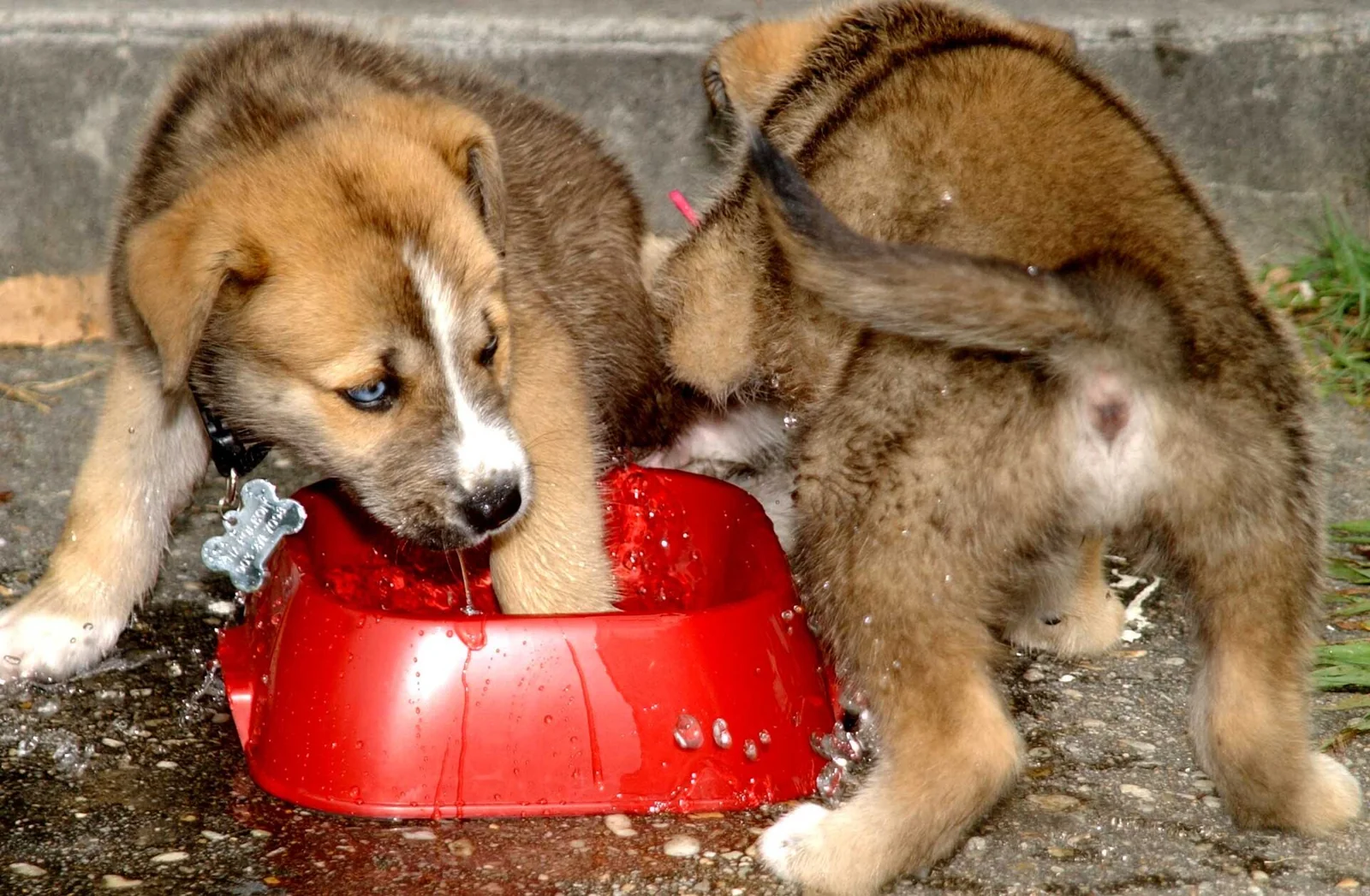
Illustrative photo.