Archive date follows the original topic. Independently written and reviewed by idoghome on October 29, 2026.
Finding a soft lump while stroking a Labrador can prompt a reassuring guess: probably another fatty lump. That may turn out to be right, but touch alone cannot reliably identify every mass. A new lump deserves its own assessment, even if the dog has had benign lumps before.
A lipoma is a growth of fat tissue. It is not simply another name for every cyst, swelling or bump under the skin. Keeping the terms separate helps you ask better questions at the appointment.
Record the location before memory blurs it
Make a simple body sketch and mark the lump's position. Note when you first noticed it and photograph it with a size reference if visible. Avoid repeatedly squeezing it to test whether it feels different.
If several lumps are present, number them on the sketch. “The one near the left shoulder” can become confusing months later, particularly when fur hides the outline. Take the record to the vet so you are both discussing the same area.
Ask how the diagnosis will be established
Cornell's lipoma information describes veterinary assessment and sampling as part of identifying these masses. A fine-needle sample may be useful; sometimes further sampling or other investigation is needed. Ask what the result can and cannot establish.
The Merck Veterinary Manual's skin-tumour guide shows why different lumps need different decisions. An appearance that seems familiar should not replace the examination of a new finding.
Monitoring should have instructions
If the vet recommends observation, ask how often to check and what changes should trigger contact. Growth, discomfort, altered skin, discharge or interference with movement are details to report. A mass near a limb may matter because of its location even when its tissue type is benign.
Keep the original measurements and findings with the dog's medical records. At routine visits, mention changes rather than assuming every previous lump was re-examined automatically. A reassuring earlier result is useful history, not a guarantee about all future changes.
Avoid home removal and cure claims
Do not puncture, squeeze, tie off or apply caustic products to a lump. Supplements marketed to dissolve fatty growths should not delay diagnosis. If surgery is recommended, discuss why, what testing is planned and how recovery will be managed.
Also mention changes in appetite, weight, energy or comfort that you have noticed elsewhere. They may or may not be related, but the vet needs the full picture. The sensible response to a lump is neither panic nor dismissal: arrange a check, understand the finding and follow a clear plan for what happens next.
If you cannot find the lump again at the appointment, your sketch and photograph can save a frustrating search. Note whether its position changes when the dog stands or lies down.
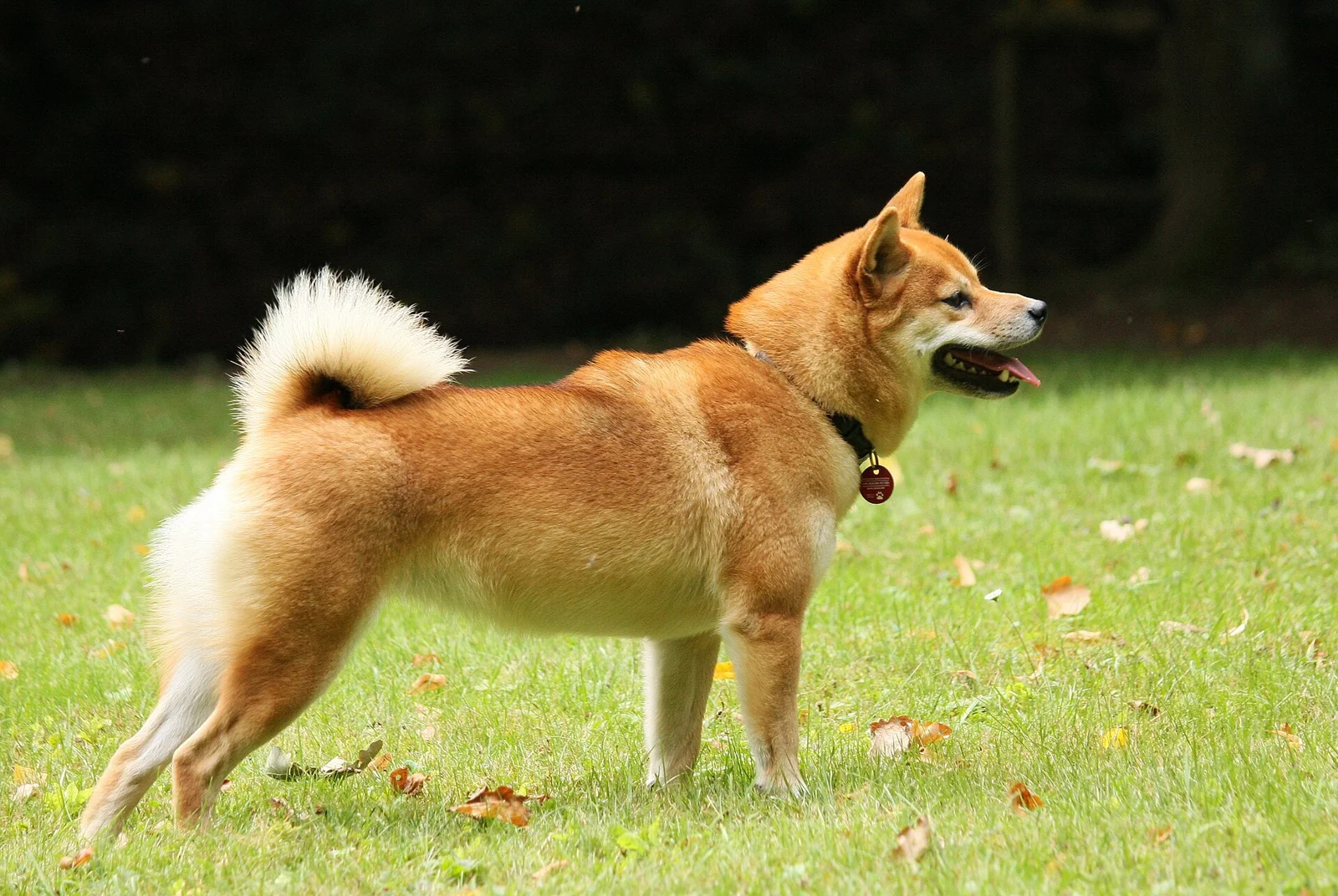
Illustrative photo · Maja Dumat · CC BY 2.0