Archive date follows the original topic. Independently written and reviewed by idoghome on October 29, 2026.
A raw bone from the grocery shop can look reassuringly simple: one ingredient, no bright packaging, nothing manufactured. But being sold as food for people does not make it a safe chew for a dog. Our dinner ingredients are not assessed for what happens when a Labrador tries to crack or swallow them.
Cooked bones are not a safer substitute. Nor does choosing a very large bone remove every risk. The sensible decision considers teeth, swallowing habits, contamination and what the dog actually does with the object.
Separate chewing pleasure from the material
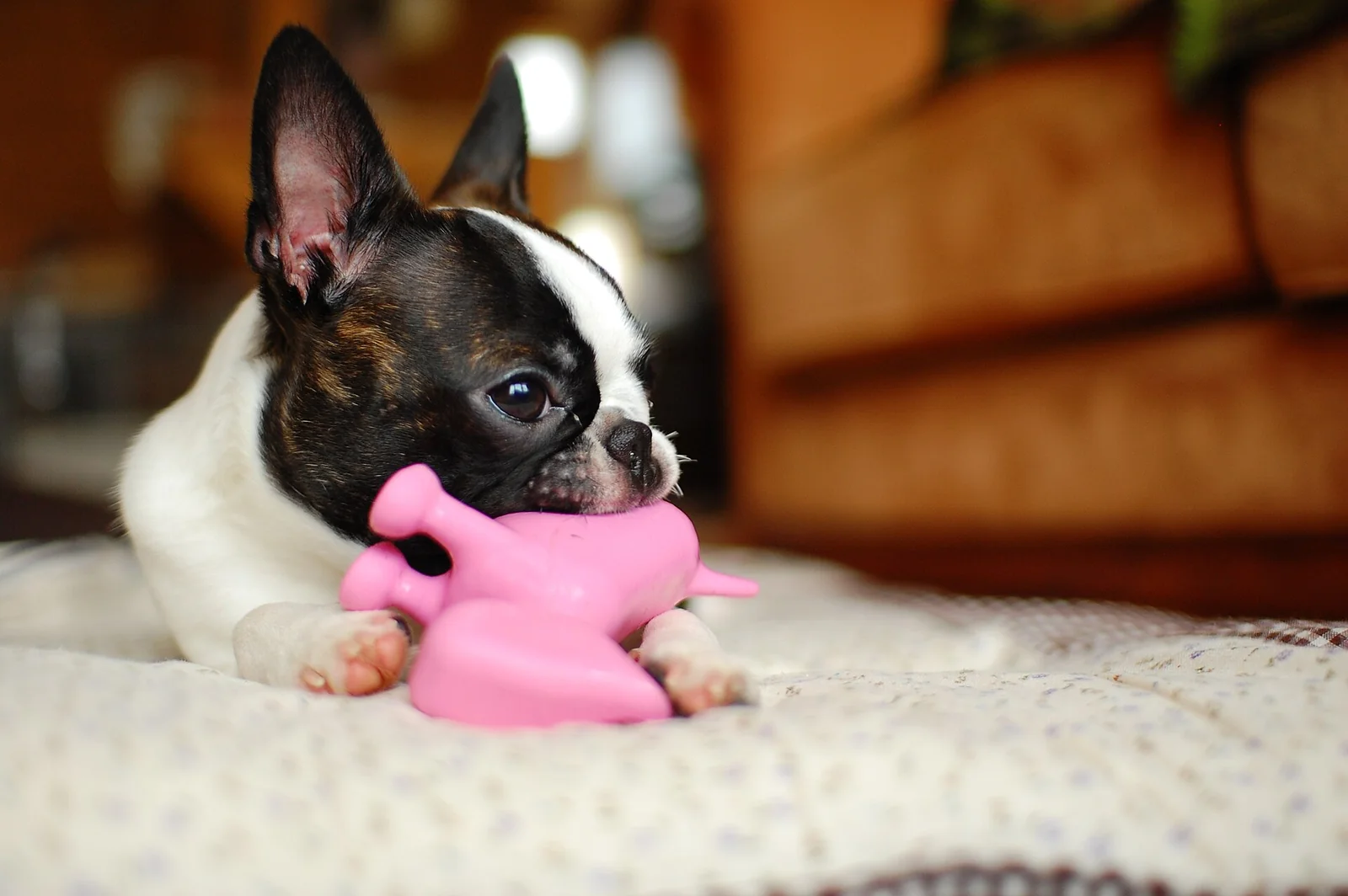
Dogs can enjoy chewing without needing a real bone. WSAVA's treat guidance warns that both cooked and raw bones can cause significant harm. Raw animal products can also introduce pathogens into a home.
Ask your vet about an appropriate alternative for your dog's age, teeth and eating style. There is no chew that suits every dog. A powerful chewer that breaks toys apart needs a different choice from a dog that gently mouths them.
Supervision still matters
Watch what happens during the first few minutes with any new chew. Does the dog settle into chewing, try to swallow it whole or tear off large pieces? Remove damaged items and small remnants before they become an easy mouthful.
Prepare a calm way to trade an item for something the dog values. Chasing or grabbing can encourage hurried swallowing, and guarding needs a separate, reward-based behaviour plan. Avoid giving a questionable object because taking it away later feels difficult.
If a bone has already been swallowed
Call your vet with the type of bone, approximate size, time and your dog's details. Do not try to force vomiting, feed a bulky meal to push it through or wait for an internet rule about how many hours it takes to pass. The right advice depends on the situation.
Cornell's foreign-body guidance explains that bones can obstruct the digestive tract. Vomiting, loss of appetite, abdominal pain and lethargy are concerning signs. A dog can need urgent assessment even before the whole picture becomes obvious.
Prevent the accidental chew
Keep shopping bags off the floor, secure food-waste bins and clear plates promptly. Tell visitors that table scraps containing bones are not treats. After a barbecue, check the ground and low surfaces before the dog returns to the area.
Choose one or two suitable chewing options and inspect them regularly rather than buying an assortment on the assumption that variety equals safety. Your dog does not know how impressive the butcher's bone looked. What matters is having an enjoyable activity that fits their mouth, behaviour and health without turning an ordinary evening into an emergency.
If a dog regularly steals from bins, improve the storage setup before the next shopping or cooking day rather than relying on repeated warnings.
Illustrative photo · Linsenhejhej · CC BY-SA 3.0