Archive date follows the original topic. Independently written and reviewed by idoghome on October 29, 2026.
A breed can dominate your social-media feed without being the most common dog in your neighbourhood. Another can appear frequently in a shelter while remaining poorly represented in pedigree registrations. Those observations measure different populations, and mixing them produces misleading headlines.
The American Kennel Club's 2024 registration ranking put the French Bulldog first, followed by the Labrador Retriever, Golden Retriever, German Shepherd Dog and Poodle. That is a historical registry result. It is not a count of every dog in the United States, an international ranking or a measure of which breed was searched for most often online.
Ask what was counted
Before sharing a ranking, look for the organisation, year, location and method. Registrations reflect dogs entered with a particular registry. Search trends reflect interest, which can be driven by a film, a news story or people researching a problem. Shelter figures reflect animals entering the participating organisations, and the coverage may be local rather than national.
A headline claiming a breed is disappearing should explain whether numbers fell, the breed merely slipped a few positions or the dataset changed. A ranking can move even when the underlying number remains stable. “Rare” also depends on geography: a working breed familiar in one region may be unusual elsewhere.
Shelter labels need care
Appearance-based breed labels are not a complete description of ancestry or behaviour. Ask about the individual dog's observed needs, health and experiences rather than assuming a label predicts the whole story. If a shelter publishes statistics, check whether mixes are grouped with a named breed and how unidentified dogs are recorded.
Avoid treating a frequently seen shelter type as inherently unsuitable. Admission patterns can reflect local breeding, housing rules, owner circumstances and the organisation's role. A responsible conclusion needs more than a row of photographs.
Popularity can create practical pressure
High demand may encourage sellers to market puppies quickly, especially when a fashionable colour or tiny size commands attention. Slow down. Ask about health screening, living conditions, socialisation and ongoing support. A long waiting list or high price does not replace evidence of responsible care.
For uncommon breeds, find people with direct experience and learn about their working background. Limited local availability may also mean fewer knowledgeable groomers, trainers or rescue contacts. Those are useful planning questions, not reasons to buy the first available puppy.
Rankings can be interesting snapshots of human preference. They are a weak shortcut for choosing a companion. Use them to start questions, then make the decision around the individual dog and the life you can offer.
Further reading: AKC 2024 registration ranking.
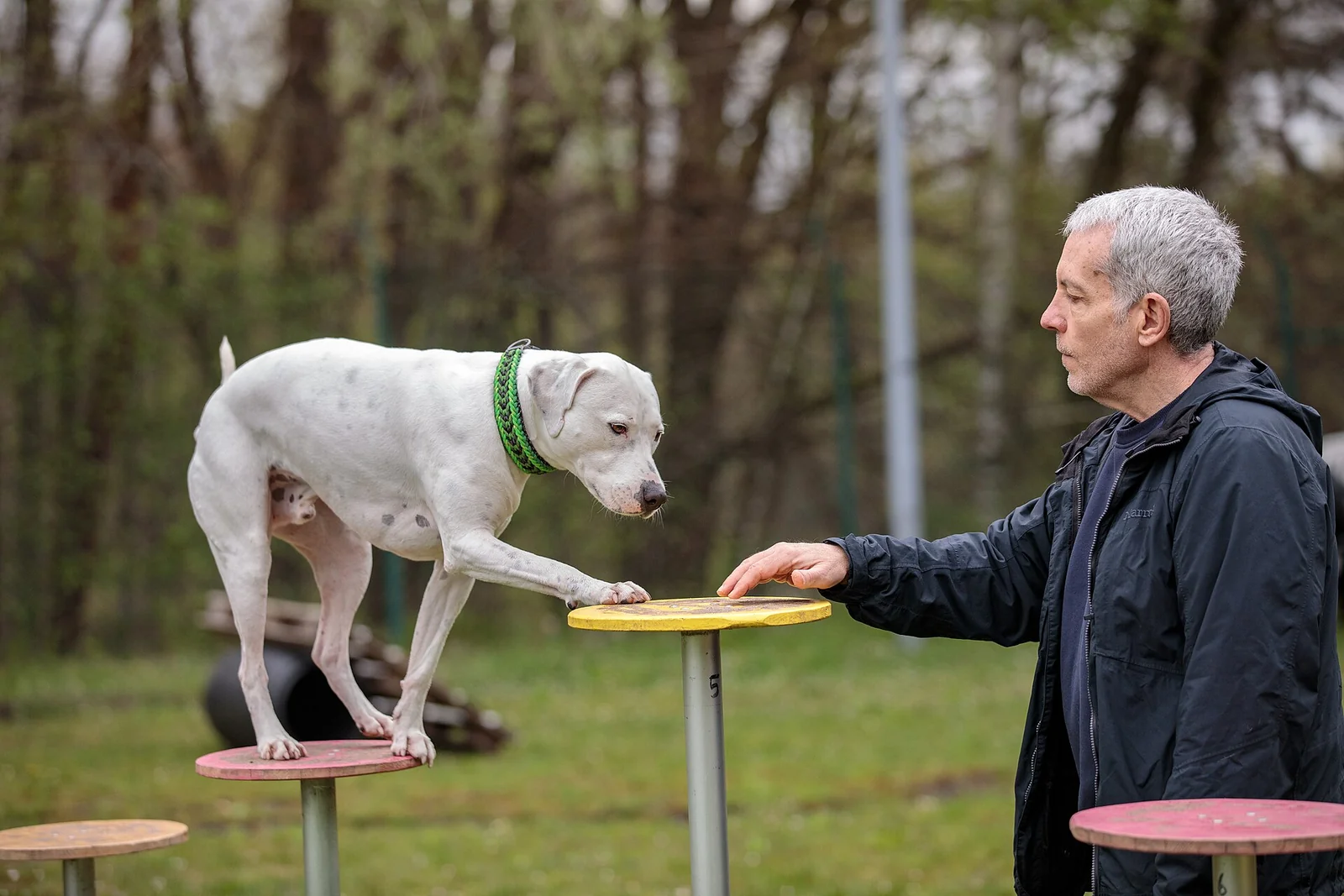
Illustrative photo · Горбунова М.С. · CC BY-SA 4.0