Archive date follows the original topic. Independently written and reviewed by idoghome on October 29, 2026.
A dog who finds food on the kitchen counter has discovered a successful strategy. A dog who runs off with a sock may have found a satisfying object, an exciting chase or both. These habits are easier to change when the household stops paying them accidentally.
Start with management. Put food away, close laundry baskets and use gates when you cannot supervise. This is not a failure of training. It prevents repeated practice while you teach the dog what to do instead.
Give the kitchen an alternative routine
Teach settling on a mat away from preparation surfaces. Reward the dog there while nothing interesting is happening, then gradually practise during simple kitchen tasks. Make the duration manageable and release the dog before they become restless.
Do not leave a sandwich out to test whether training has worked. An occasional successful theft can keep counter surfing worthwhile. Ask everyone in the household to follow the same storage routine, including visitors who may not realise how far the dog can reach.
Trade without turning it into a chase
Practise exchanging a safe, low-value toy for a reward, then return the toy when appropriate. This teaches that giving something up can be worthwhile. Avoid repeatedly grabbing items from the mouth or pursuing the dog around furniture.
If the dog has swallowed something or is holding a dangerous object, prioritise safety and contact your vet as needed. Do not provoke a bite by wrestling over it. A dog who stiffens, growls or guards objects needs a careful professional plan, not a contest over who is in charge.
Make chewing a planned activity
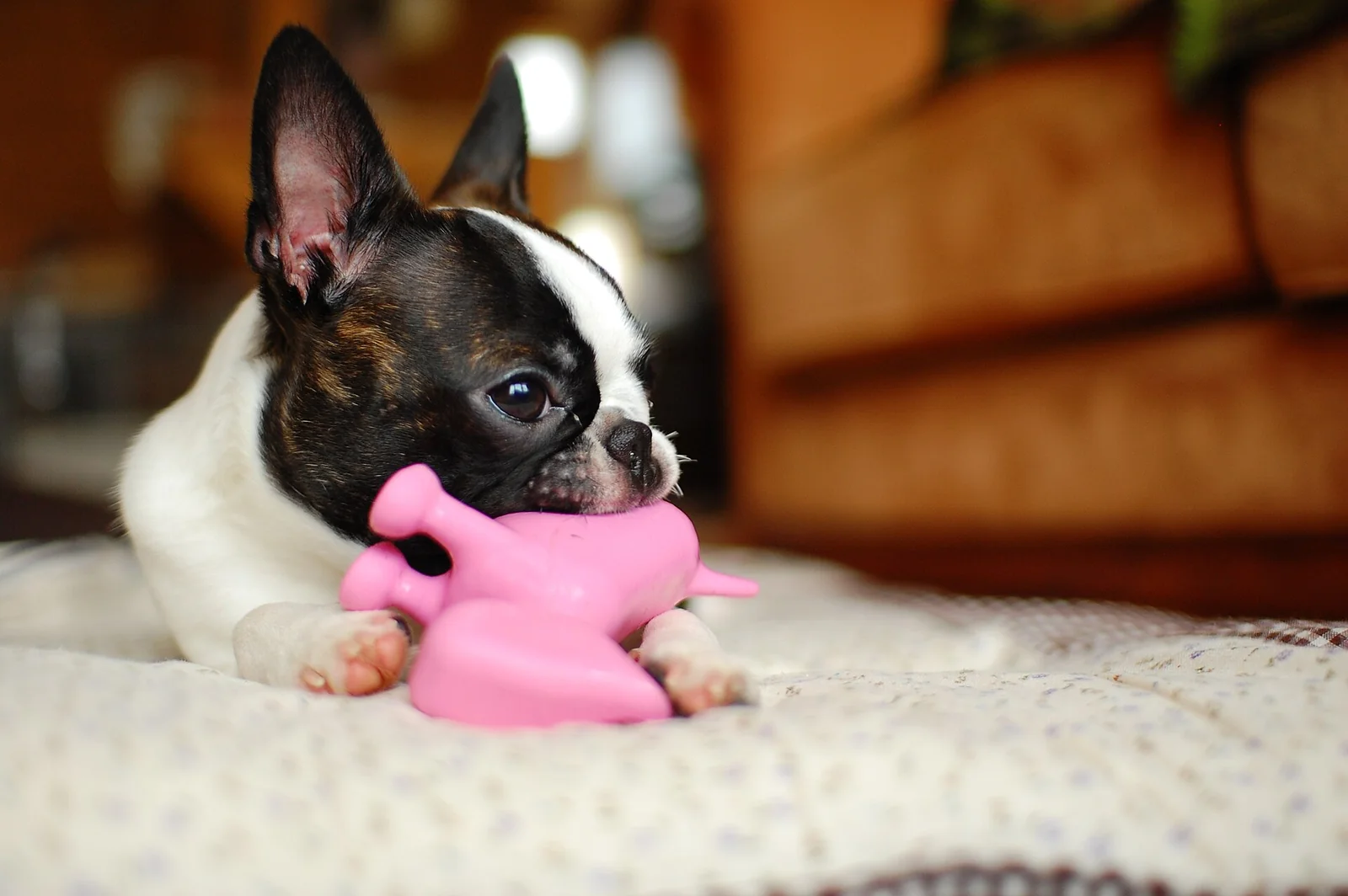
Offer suitable items that match the dog's size and chewing style, and check them for damage. Supervise new products. Rotate a few options rather than leaving a heap of ignored toys permanently available. Puppies, adolescents and adults can all need appropriate outlets for chewing.
Pay attention to when destructive behaviour happens. A dog who chews while alone may be bored, distressed or dealing with another problem. A sudden change can also warrant veterinary assessment. The solution should fit the cause rather than assume all chewing is the same habit.
Rehearse the front door
Before guests arrive, practise moving behind a gate or onto a mat. Reward calm waiting, then add mild distractions. Small dogs need the same clear routine as large ones, even when their jumping is easier to tolerate physically.
Good manners are learned through consistent consequences and manageable situations. Keep temptation under control, reward useful choices and make the next successful repetition easy to achieve.
Further reading: Humane behaviour support.
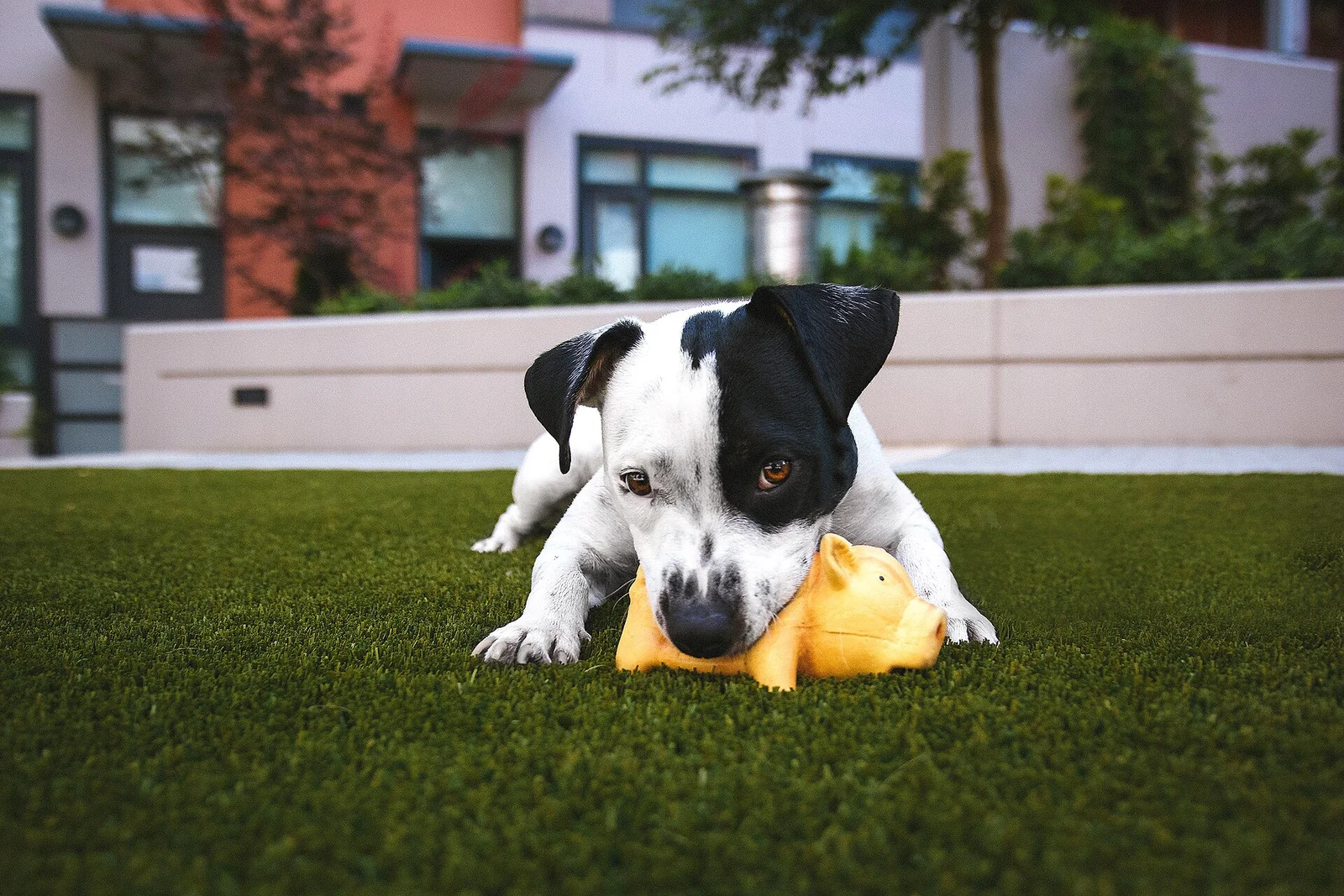
Illustrative photo.