Archive date follows the original topic. Independently written and reviewed by idoghome on October 29, 2026.
Living with a dog can add structure to a day: a reason to step outside, a familiar greeting and a pause from a screen. Those experiences are valuable without promising that dog ownership will cure loneliness or improve everyone's health in the same way. Caring for an animal also brings work, cost and sometimes worry.
The most useful wellbeing plan begins with small habits that suit both of you. Instead of setting a dramatic New Year's resolution, choose one routine you can repeat on a busy week. A calm morning sniff walk or five minutes of enjoyable teaching is easier to maintain than an ambitious schedule that lasts three days.
Make activity varied and manageable
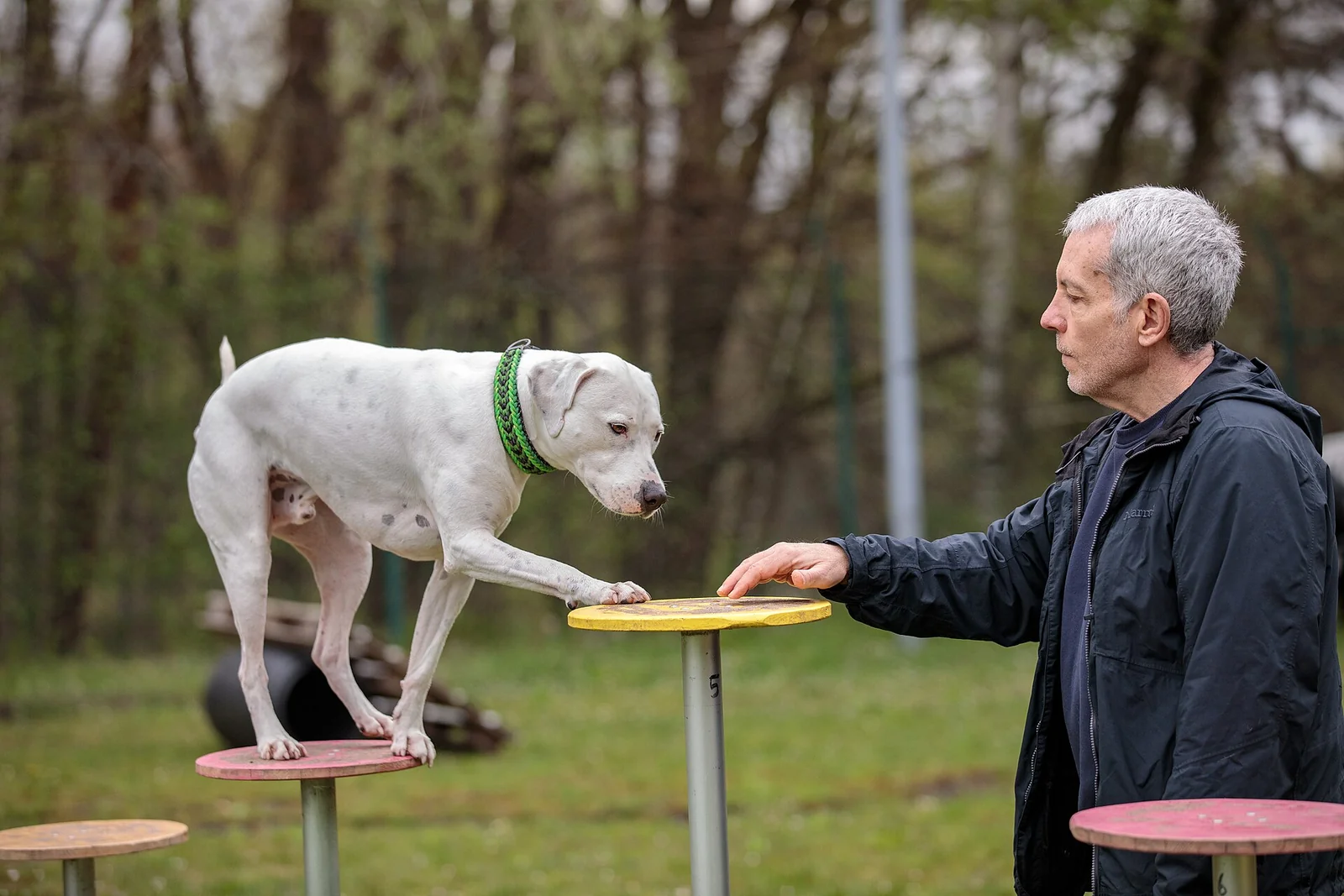
Combine suitable walks with opportunities to explore, search and learn. Hide a few pieces of the dog's regular food in an easy search area, practise a familiar cue or introduce a simple new skill. Adjust difficulty so the dog succeeds without becoming frustrated.
More activity is not always better. Notice whether a session leaves the dog settled or overstimulated, and allow recovery. If exercise tolerance changes, seek veterinary advice rather than assuming the dog needs motivation. Your own physical limits matter too; arrange help or adapt the activity where needed.
Protect ordinary rest
Choose a comfortable place where the dog can sleep without repeated interruption. Ask family members to respect it. A busy home can offer plenty of company while still leaving little genuine rest, particularly during holidays or school breaks.
Keep a loose pattern for meals, toilet breaks and outings without making the day so rigid that small changes become impossible. When work or school schedules shift, prepare gradually and arrange support for longer absences.
Celebrate in ways the dog enjoys
National Dog Day or a birthday can be an excuse for a favourite walk, a new safe game or replacing worn equipment. A crowded party or elaborate costume is optional. Watch the dog's response rather than assuming your idea of a treat is theirs.
You can also support dogs beyond your own home by helping a reputable local shelter in a way it actually needs. Ask before donating items or arriving to volunteer. Consistent practical help often matters more than a dramatic one-day gesture.
Review one thing at a time
Once a month, consider what has become easier and what still causes friction. Is the entrance muddy and chaotic? Is grooming being postponed? Is the dog struggling during meetings? Pick one adjustment and see whether it helps.
Dogs do not need us to become perfect people. They need dependable care, patient observation and a life with room for their own interests. Those commitments can make the shared day richer without turning companionship into a health promise or a competition.
Further reading: Responsible pet ownership.
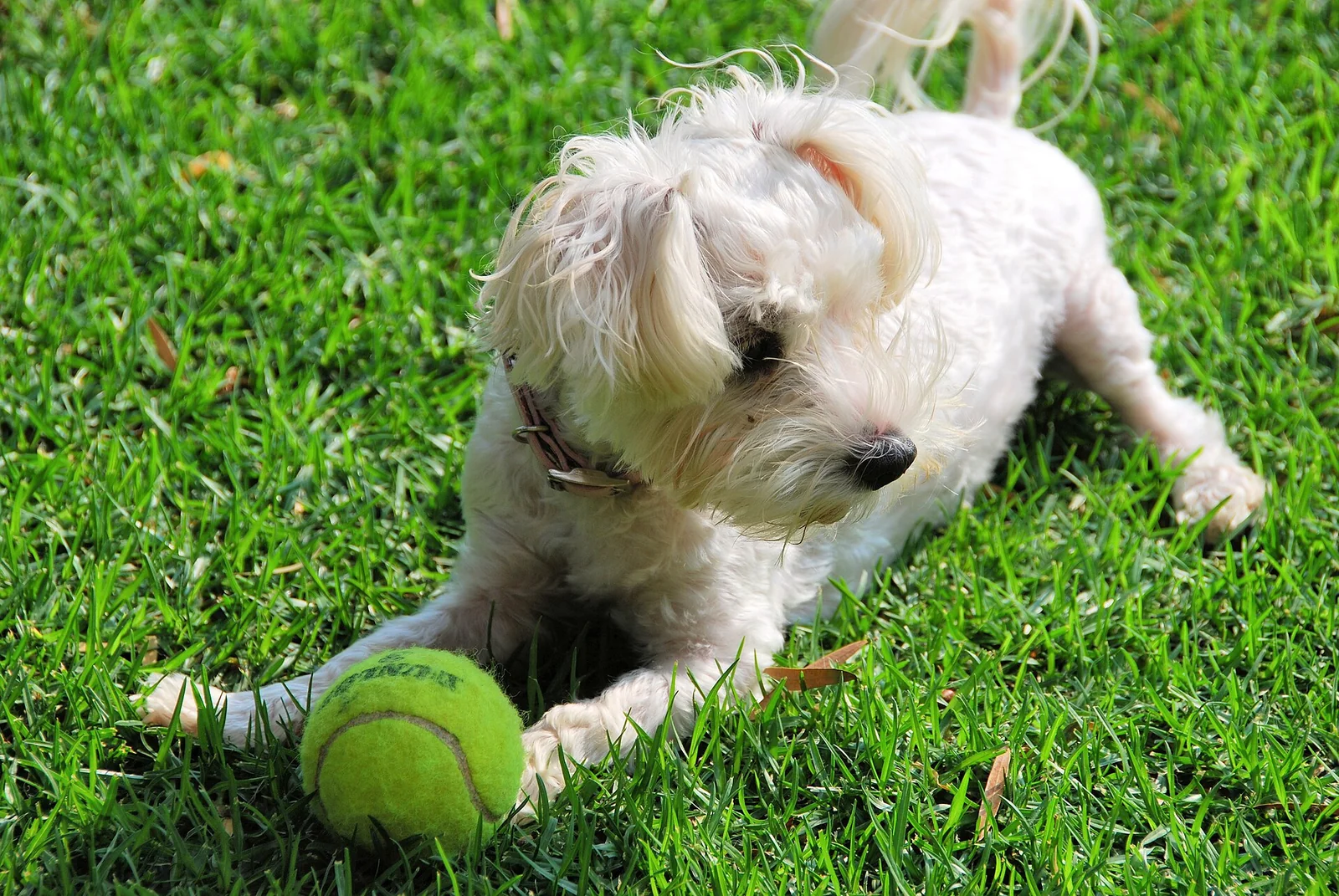
Illustrative photo · Ossewa · CC BY-SA 4.0