Archive date follows the original topic. Independently written and reviewed by idoghome on October 29, 2026.
Watching a dog tidy toys into a basket makes the finished trick look effortless. For the dog learning it, several different jobs are hidden inside: approach the toy, pick it up, carry it, find the basket and let go.
The fun comes from teaching those pieces without making the dog guess the whole routine. Choose a comfortable, low-impact skill and work on one small part at a time.
Pick a trick that suits the dog in front of you
A nose target, finding a named toy or moving to a mat can be enjoyable without demanding jumps or awkward positions. Consider your dog's age, body shape and health. Ask your vet before practising movements that may be unsuitable for a dog with a physical concern.
Also consider the room. A slippery floor can spoil an otherwise sensible exercise. Clear enough space for the dog to move normally, and choose a reward you can deliver without rushing or bending over them repeatedly.
Write the first step, not just the final trick
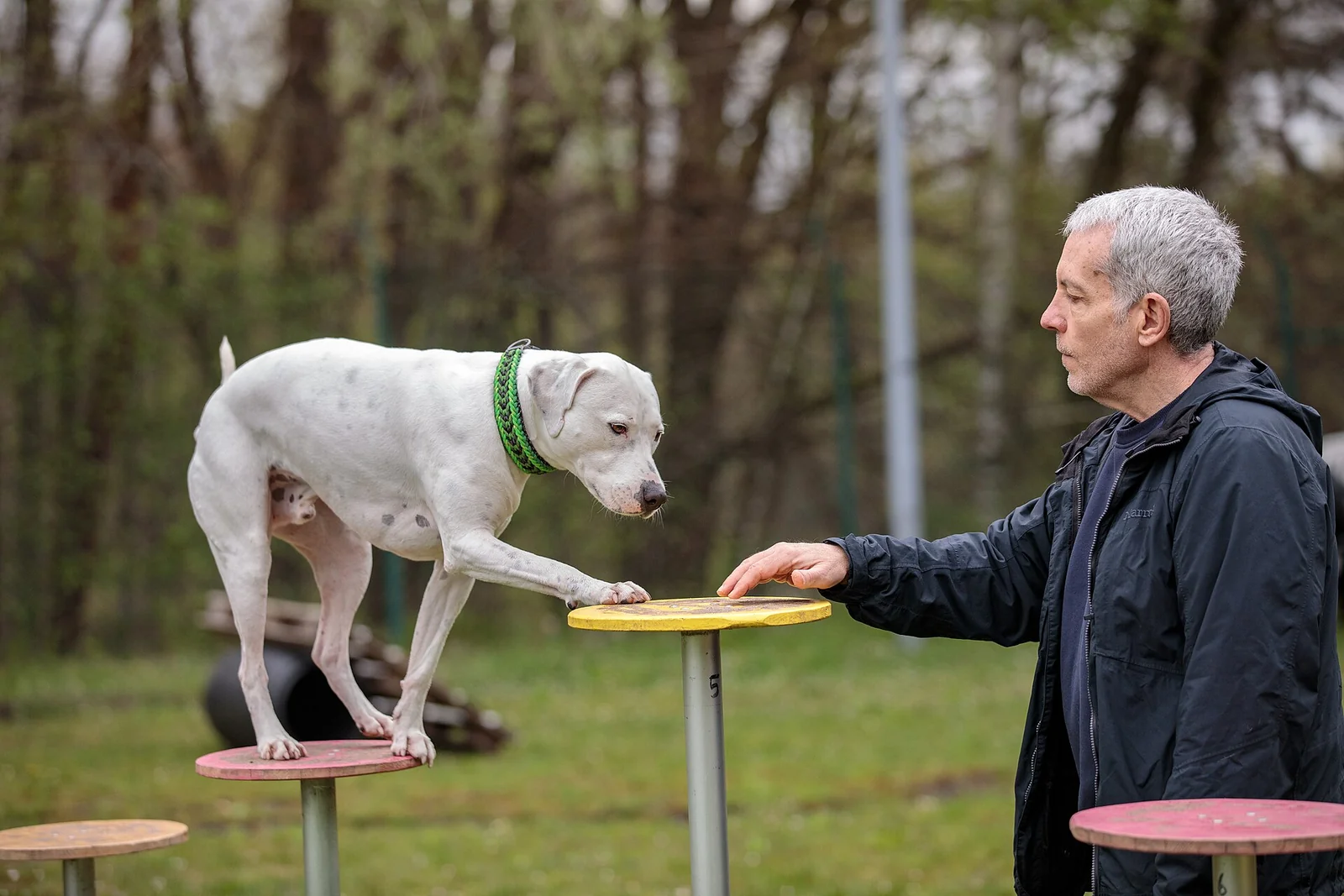
For a hand target, begin with your palm close enough that a curious dog may investigate it. Mark and reward a gentle nose touch. Put your hand away briefly, then offer it again. Once the action is familiar, you can add a cue and change the hand's position a little.
For a toy-basket game, your first step may simply be rewarding interest in the toy. Do not hold the basket over the dog and wait for inspiration. If a step keeps failing, divide it into something easier.
Be generous while the idea is new
Have rewards ready and give clear feedback when the useful action happens. Dogs Trust's reward-based training advice explains why successful attempts should be rewarded consistently while a new skill is being learned.
If you use a marker word or clicker, practise the timing. The reward belongs to the action you marked, even if the next movement is less tidy. Reset for another attempt rather than turning an imperfect repetition into a lecture.
Add difficulty in one direction
When a trick is easy in the sitting room, try it in another quiet room before asking for a performance outside. Increase distance, duration or distraction separately. A dog who can touch your palm next to your knee may need an easier task when you hold it farther away.
Keep advanced sequences short. If the dog struggles halfway through, practise that piece separately instead of repeating the entire chain. You can always reconnect the pieces later.
Give the game a clear ending
Choose an ordinary phrase such as “all done,” put the training materials away and offer a break. Ending while your dog is still comfortable helps keep tomorrow's session inviting. You do not need to chase one perfect repetition after concentration has gone.
A useful trick is one both of you enjoy practising. It might never look quite like the demonstration you watched, and that is fine. If your dog learns that trying a small new action is safe and rewarding, the game is doing more than filling a spare five minutes.
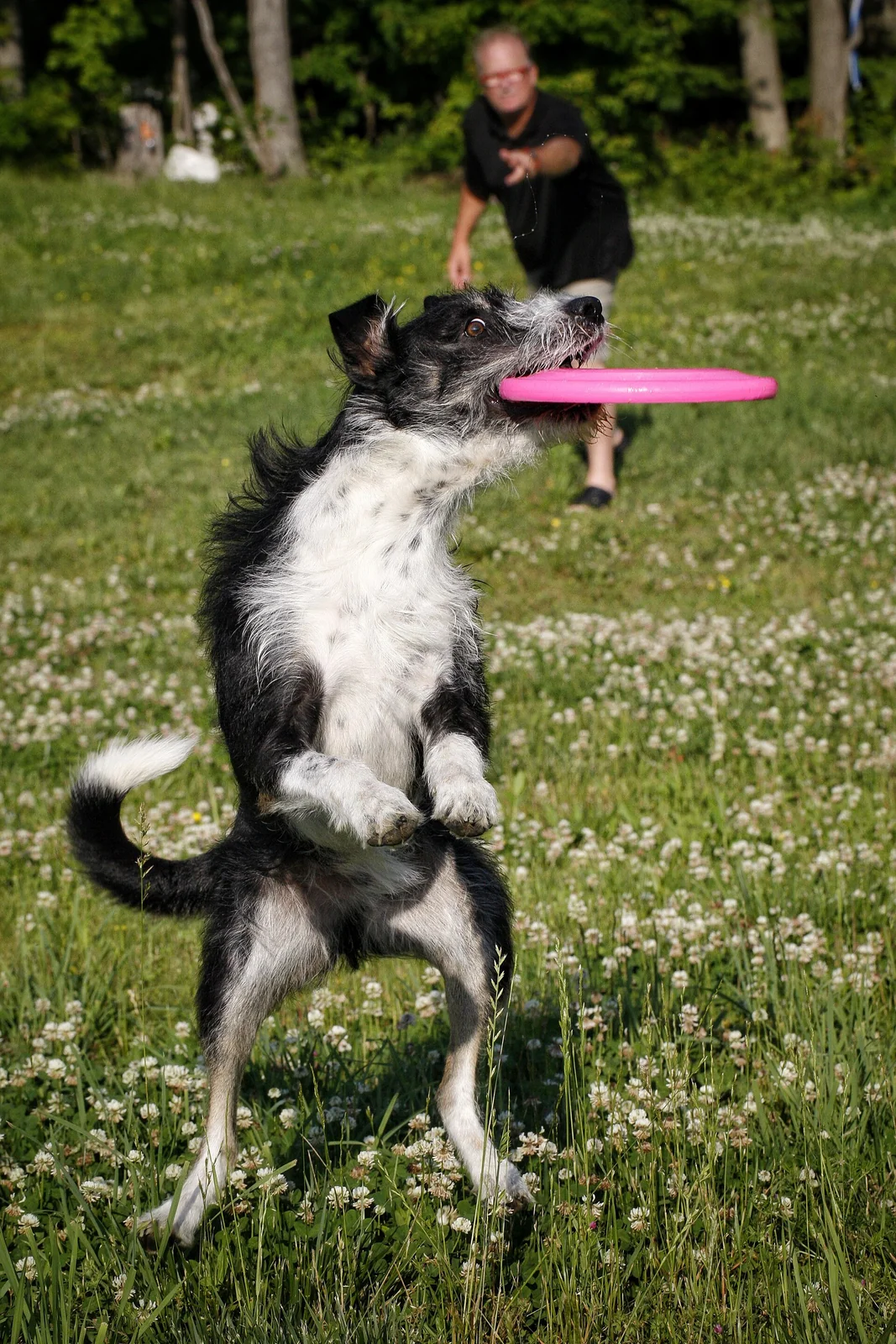
Illustrative photo · NikkiBass360 · CC BY-SA 3.0