Archive date follows the original topic. Independently written and reviewed by idoghome on October 29, 2026.
Living with a dog involves muddy paws, shared rooms and the occasional surprise on the carpet. It also involves ordinary hygiene. You do not need to treat an affectionate pet as a walking threat, but it helps to understand that a dog can carry germs even when it looks well.
A zoonotic infection is one that can pass between animals and people. Different organisms use different routes, so a useful prevention routine focuses on actual contact with waste, food, bites and contaminated environments rather than a frightening count of diseases.
Build habits around predictable moments
Wash hands after handling waste, pet food and dirty equipment, and before preparing or eating your own food. Help children do the same. Pick up stools promptly, bag them securely and keep dog toileting areas separate from children's play spaces where possible.
The CDC's dog guidance recommends routine veterinary care and supervised interactions with children. Dogs of any age can carry organisms that cause illness, so a healthy appearance is not a reason to skip basic precautions.
Give food equipment its own routine
Store pet food as directed and clean bowls regularly. Keep preparation surfaces clean and prevent dogs from licking human food utensils or open wounds. Check cleaning-product instructions and keep pets away until surfaces are safe for access.
Households with young children, older adults, pregnant people or people with weakened immunity should discuss relevant precautions with their human and veterinary clinicians. Advice may need to be more specific than the general routine used by another family.
Keep prevention coordinated
Ask your vet about vaccinations, parasite control and testing appropriate to your region and the dog's lifestyle. Mention travel, hunting, raw-food exposure and contact with other animals. These details help the practice identify risks that a generic calendar might miss.
The Companion Animal Parasite Council notes that hookworm control has importance for human health as well as dogs. Removing stools and following an appropriate testing and prevention plan are practical parts of that work.
Respond to problems specifically
If a dog develops diarrhoea, skin lesions or another illness, contact the vet and ask about handling precautions while the cause is investigated. If someone in the household becomes ill, tell their healthcare professional about relevant animal contact. Do not assume the dog caused it or give both species the same medicine.
Seek medical advice about bites and significant scratches, and provide the animal's vaccination information where relevant. Prevent repeat incidents through supervision and qualified behaviour support, rather than relying on a child to read every warning sign.
A shared home can be affectionate and sensible at the same time. Keep the handwashing easy, the waste routine reliable and the veterinary records accessible. Those modest arrangements are more useful than memorising a list of alarming disease names.
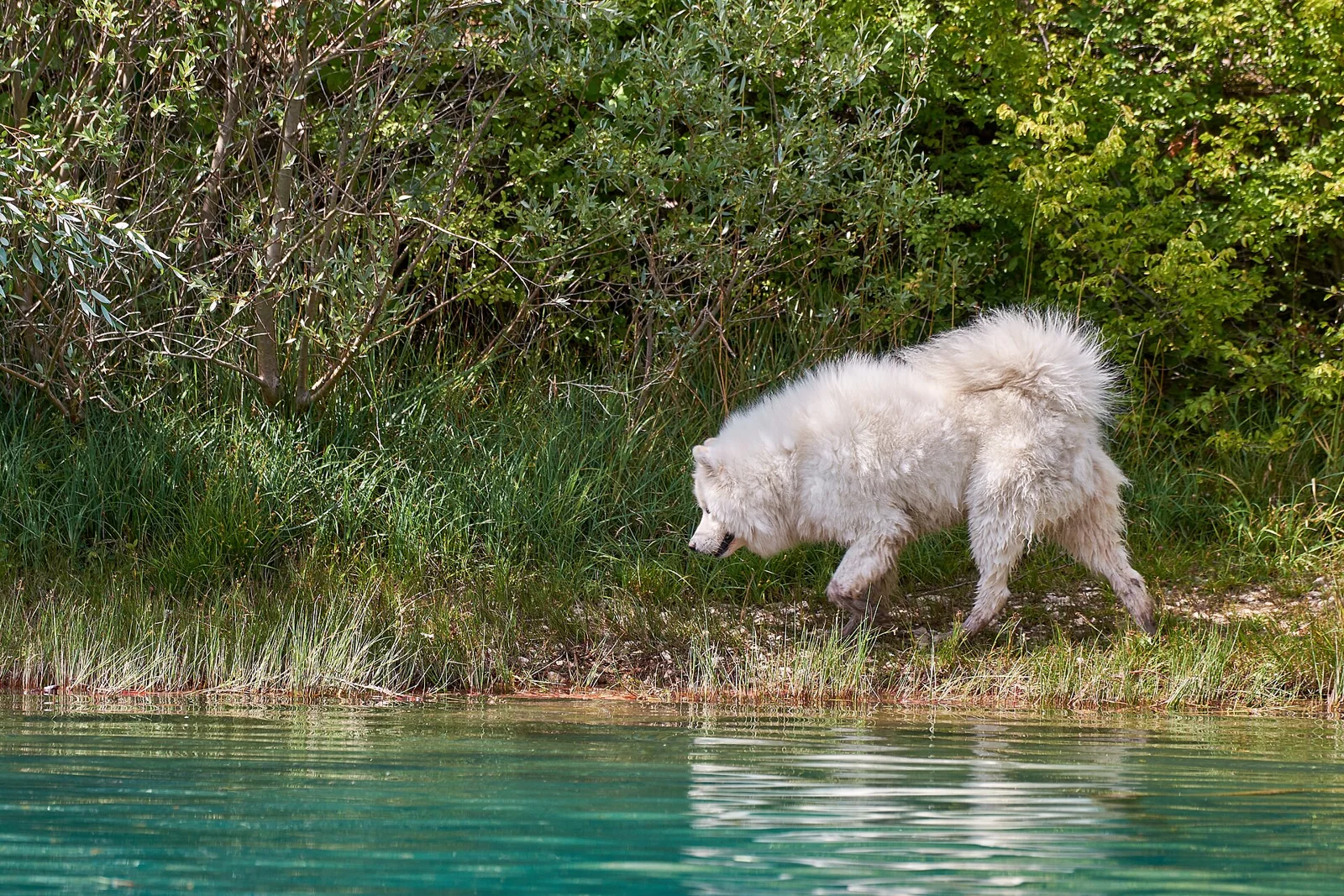
Illustrative photo · Anil Öztas · CC BY-SA 4.0