Archive date follows the original topic. Independently written and reviewed by idoghome on October 29, 2026.
A giant dog stretched across a hallway makes size feel very real. Food, transport, bedding and the ability to help an unwell animal all need thought before the puppy arrives. A gentle temperament is welcome, but it does not make a large body easy to manage.
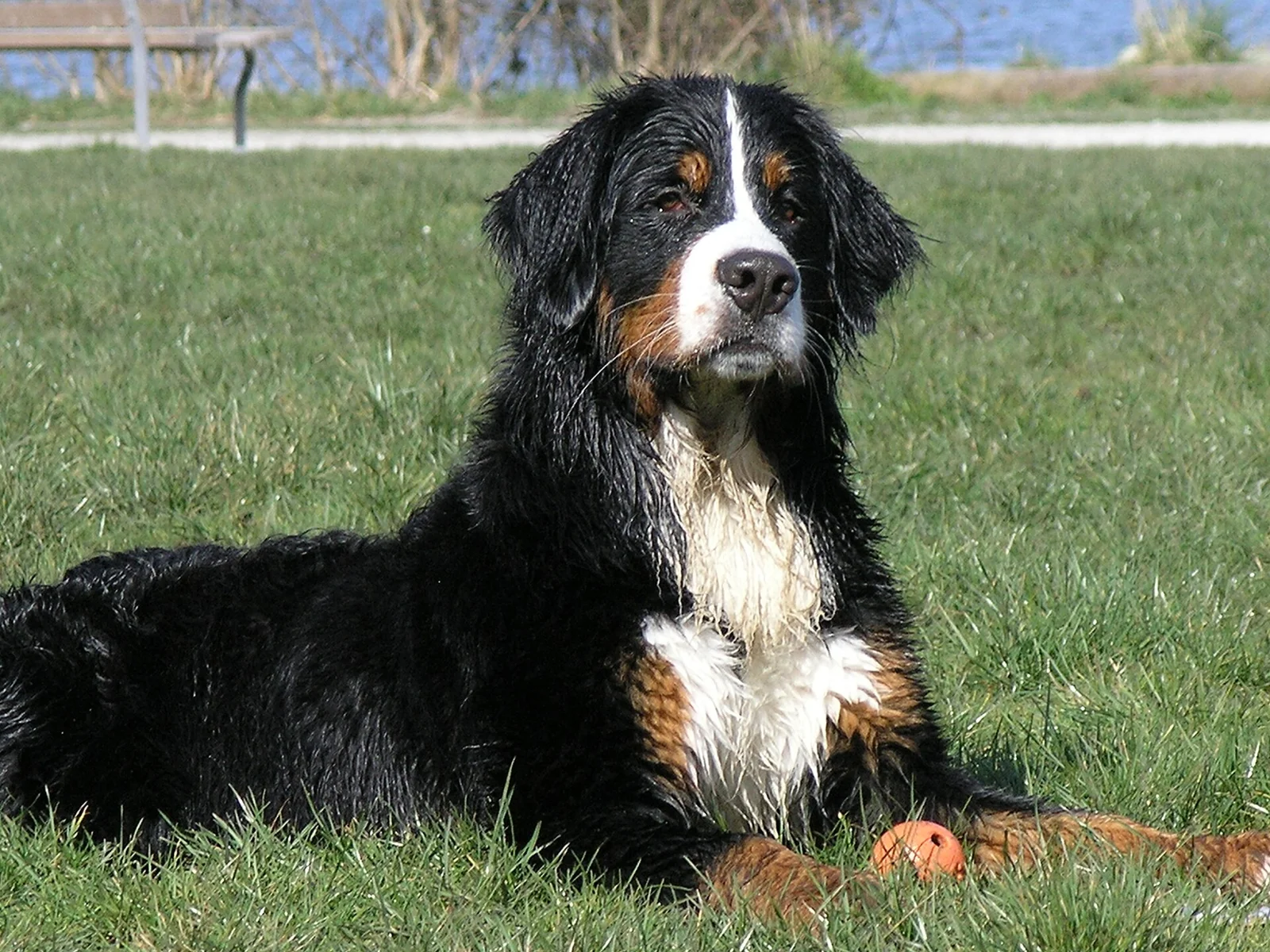
Great Danes, Bernese Mountain Dogs, Greater Swiss Mountain Dogs and Saint Bernards differ in coat, working history and individual temperament. They should not be treated as interchangeable oversized teddy bears. Meet adults, talk to experienced owners and ask what an ordinary difficult day looks like.
Plan around the adult body
Make sure the dog can travel securely in your vehicle and enter without repeated awkward jumps. Consider steps, slippery floors and narrow doorways. A bed should support the whole dog and be placed where they can rest without constantly moving for people to pass.
Teach loose-lead walking, waiting at doors and standing for handling early. A young giant can look grown-up while still behaving like an adolescent. Reward calm greetings rather than allowing jumping because it is endearing in a small puppy. Everyone who will walk the dog needs a realistic handling plan.
Different coats, different commitments
A Bernese or Saint Bernard can bring a considerable brushing and drying workload. A Greater Swiss Mountain Dog has a shorter coat but still sheds. Great Danes also need routine skin, nail and dental care despite their short hair. Large white breeds may look similar in photographs while differing substantially in guardian behaviour and coat needs.
Build grooming into short, comfortable sessions. Teach the dog to accept feet being touched and to stand on a stable surface. Waiting until a full-grown dog urgently needs difficult handling can turn a routine task into a struggle.
Discuss health before purchase or adoption
Ask for the health screening appropriate to the breed and discuss the results with your vet. Giant puppies need a suitable complete growth diet and an exercise plan that respects development. Avoid choosing supplements or trying to accelerate growth without veterinary advice.
Learn what urgent illness looks like, including sudden abdominal swelling or repeated unsuccessful attempts to vomit. Such signs require emergency veterinary attention. Keep the emergency clinic's contact details and a transport plan available; moving a heavy dog may require help.
Budget for the whole life
Equipment, boarding, medication and professional grooming can cost more for a large dog. An owner may also need assistance after an injury or as the dog ages. These are ordinary planning questions, not reasons to dismiss giant breeds.
The reward is sharing a home with an individual dog whose size becomes familiar rather than surprising. Choose carefully, keep the routine manageable and remember that a calm appearance never removes the need for training, health care and comfortable space.
Further reading: Largest dog breeds, Responsible ownership.
Illustrative photo · Shari F from Vancouver, Canada · CC BY 2.0