Archive date follows the original topic. Independently written and reviewed by idoghome on October 29, 2026.
A retriever carrying a shoe can look funny until it is the only shoe you need for work. Their interest in holding and investigating objects is part of what many owners enjoy, but it also makes household management and clear teaching worthwhile from the beginning.
Labrador Retrievers, Golden Retrievers and Chesapeake Bay Retrievers are different breeds with individual variation. A friendly reputation does not guarantee a calm puppy, and an intelligence ranking does not tell you how quickly a particular dog will learn your rules. Make the task clear, practise consistently and judge progress against that dog's starting point.
Give words a reliable meaning
Choose short cues that everyone in the household will use consistently. Say the cue once when the dog has a good chance of responding, then reward the action. If “bed” sometimes means a mat and sometimes means leaving the kitchen, the word becomes less useful.
Teach one new object label at a time during relaxed play. Pair the name with the object repeatedly before expecting the dog to choose it from a group. Keep sessions enjoyable and avoid treating a missed choice as disobedience. Understanding familiar routines is not the same as understanding every word in a sentence.
Make carrying safe
Keep laundry, children's toys and food packaging out of reach. Provide suitable objects to carry and inspect them for damage. Teach a trade with a reward so giving something up does not always end the fun. Chasing a dog around the room for a stolen item can make the whole episode more rewarding.
Retrieving games should fit the dog's age, fitness and surroundings. Use safe footing, avoid repeated abrupt turns on slippery ground and include breaks. A dog who wants another throw may still need the human to end the session.
Match the home to the individual
A Golden's coat and a Chesapeake's coat have different textures and care needs, so ask for breed-appropriate grooming guidance. A Labrador's short coat still sheds. All three need comfortable handling, measured feeding and a plan for wet or muddy outings.
Store towels and walking equipment near the entrance, create a quiet resting place and practise settling while the family is busy. Ask breeders or rescues about health screening, adult activity needs and time alone. Personal memoirs can offer perspective, but one owner's experience is not a universal breed history or care standard.
The rewarding part of living with a retriever is the partnership built through ordinary tasks. Clear language, safe opportunities to investigate and consistent boundaries matter more than proving that your dog is exceptionally clever.
Further reading: Choosing a breed for your lifestyle.
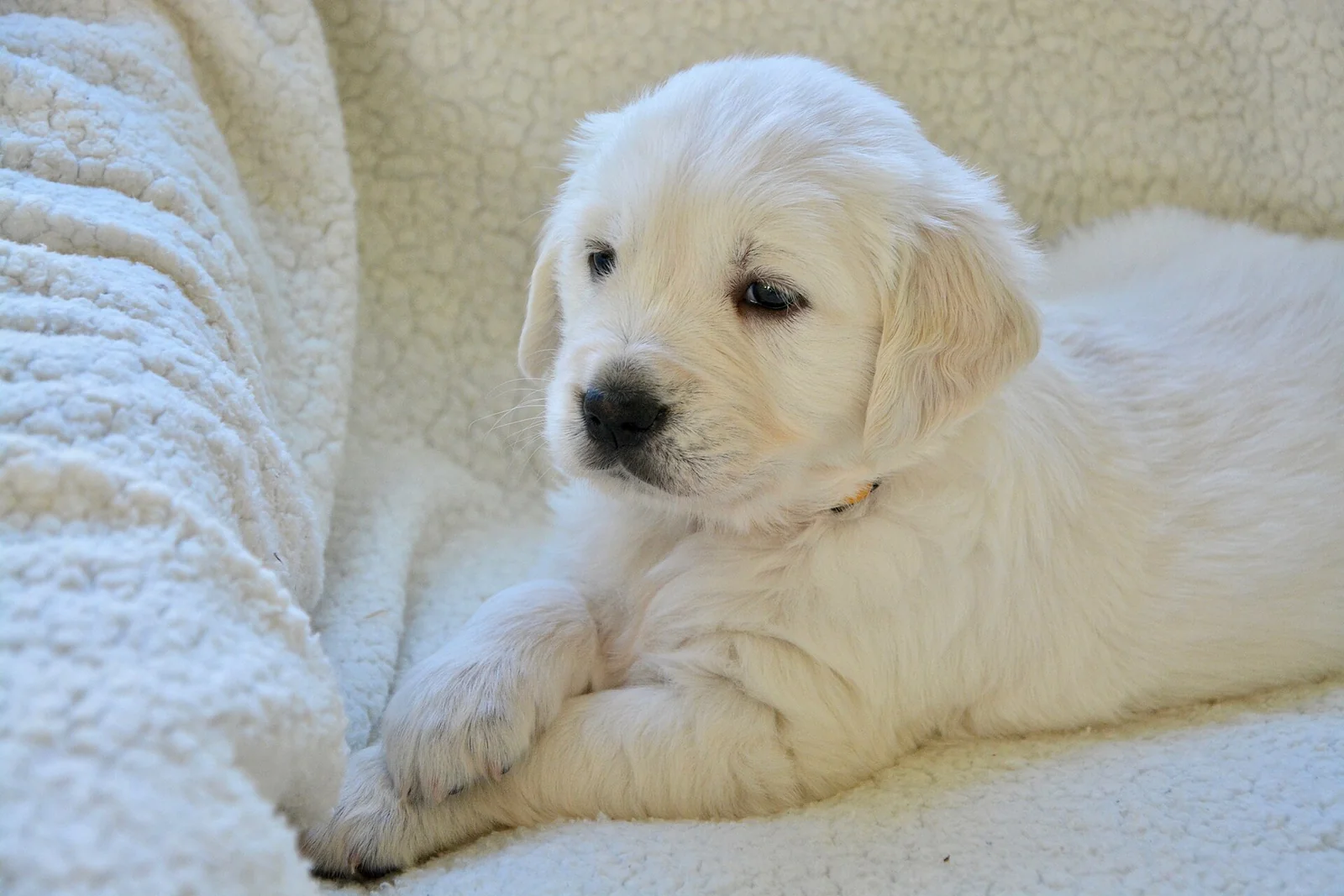
Illustrative photo.