Archive date follows the original topic. Independently written and reviewed by idoghome on October 29, 2026.
A dog can ignore an expensive dinner and then enthusiastically investigate a blade of grass. It is tempting to turn that choice into a diagnosis: perhaps the dog needs more fibre, feels sick or knows which plants are medicinal. One moment of grazing cannot tell us any of those things.
Dogs experience food through more than taste alone. Smell, texture, familiarity and the situation around a meal all play a part in what they investigate. Their willingness to put something in their mouth is not a safety test.
Preference is not nutritional judgement
A dog may prefer a rich scrap to a complete food, but that does not make the scrap a better diet. Nor does rejecting a new biscuit prove that the dog has detected a harmful ingredient. Treat preferences as useful information for choosing rewards, not as a way to formulate meals.
Keep a stable feeding routine while observing a change. If appetite falls unexpectedly, especially with pain, vomiting, lethargy or weight loss, speak to your vet. Continually adding tempting toppings can make it harder to describe how much the dog is really eating.
Grass eating has more than one possible explanation
VCA's veterinary discussion of grass eating explains that many dogs graze without appearing sick first and that vomiting does not follow every episode. The familiar claim that dogs always eat grass to make themselves vomit is too simple.
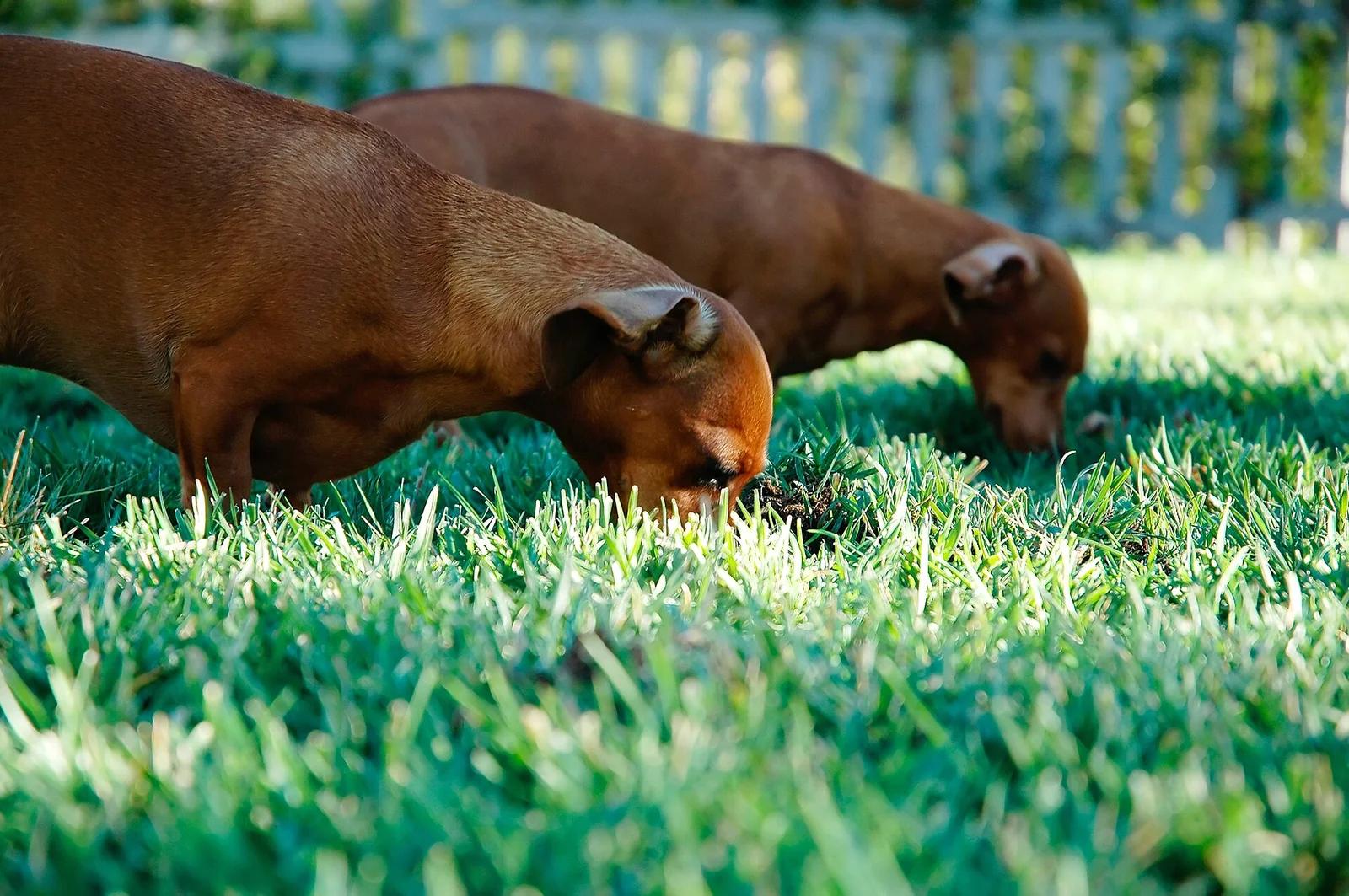
Some may enjoy the activity or the texture; in other cases it accompanies a problem worth investigating. Watch the whole pattern. An occasional nibble during an otherwise ordinary walk differs from repeated frantic grazing with retching or discomfort.
The location matters
Keep dogs away from grass recently treated with chemicals and follow product access restrictions. Avoid unknown plants, discarded food, litter and areas contaminated by animal waste. A green verge is not automatically a clean snack bar.
Use a comfortable lead setup and practise rewarding your dog for coming away. Do not turn each attempted mouthful into a chase. If scavenging is persistent, ask a qualified reward-based trainer and your vet for a coordinated plan.
Bring observations instead of theories
Record how often grazing occurs, whether vomiting follows and whether meals or stools have changed. If safe, a brief video can show the vet behaviour that is difficult to describe. Mention any accessible garden products or plants.
Review the main diet through a proper nutritional assessment, using resources such as the WSAVA nutrition toolkit. Do not start supplements just because a dog eats grass. The useful response combines prevention of unsafe mouthfuls with curiosity about changes. You can allow plenty of supervised sniffing and exploration without assuming that everything your dog tastes belongs on the menu.
Keep new foods and rewards modest so an experiment does not replace a meaningful part of the usual meal.
Illustrative photo.