Archive date follows the original topic. Independently written and reviewed by idoghome on October 29, 2026.
The best time to decide where your dog will go during a storm is before thunder starts. The same principle applies to an evacuation: familiar equipment and a clear plan reduce decisions when time and attention are limited.
Storm fear and disaster preparation overlap, but they are not identical. A dog frightened by noise may need veterinary and behaviour support even when the home is safe. A calm dog still needs transport, identification and supplies if the household must leave.
Prepare a comfortable retreat
Choose a quiet part of the home and introduce it during ordinary days. Add familiar bedding and let the dog use it voluntarily. During a storm, close curtains where useful and use background sound at a comfortable volume. Some dogs seek company; others prefer a sheltered spot nearby. Allow that choice when it is safe.
Do not punish trembling, hiding or vocalising. If noise fear is severe or worsening, contact your vet before the next predictable event. A tailored plan may include training and medication. Recordings used for gradual practice should not be played loudly enough to frighten the dog, and they cannot reproduce every aspect of a real storm.
Keep the exit plan practical
Know where you could stay with the dog outside the affected area. Do not assume every evacuation centre accepts pets. Ask potential hosts or accommodation providers in advance and keep a second option. Arrange a trusted person who can help if you are away when an emergency begins.
Keep leads, harnesses and carriers accessible. Practise loading into the vehicle and resting in any carrier you expect to use. A dog who has never seen the equipment should not have to learn about it during a rushed departure.
Pack information as well as supplies
Prepare food, water, bowls, waste bags, essential medication and familiar bedding as appropriate. Keep veterinary records, identification details and emergency contacts available in a format you can access without relying on one device. Check microchip contact details and have a recent photograph that clearly shows the dog.
Write down the feeding and medication routine so another person can follow it. Include the location of equipment and the veterinary practice's contact information. Review the kit periodically as food, medication and the dog's needs change.
After an emergency, restore a predictable routine gradually and check the environment before allowing free access. Displaced debris, open gates or unfamiliar animals can create new hazards. Preparedness is most useful when it becomes a few rehearsed household habits rather than a list nobody can find when needed.
Further reading: Noise fears, Pet emergency planning, Pets and disasters.
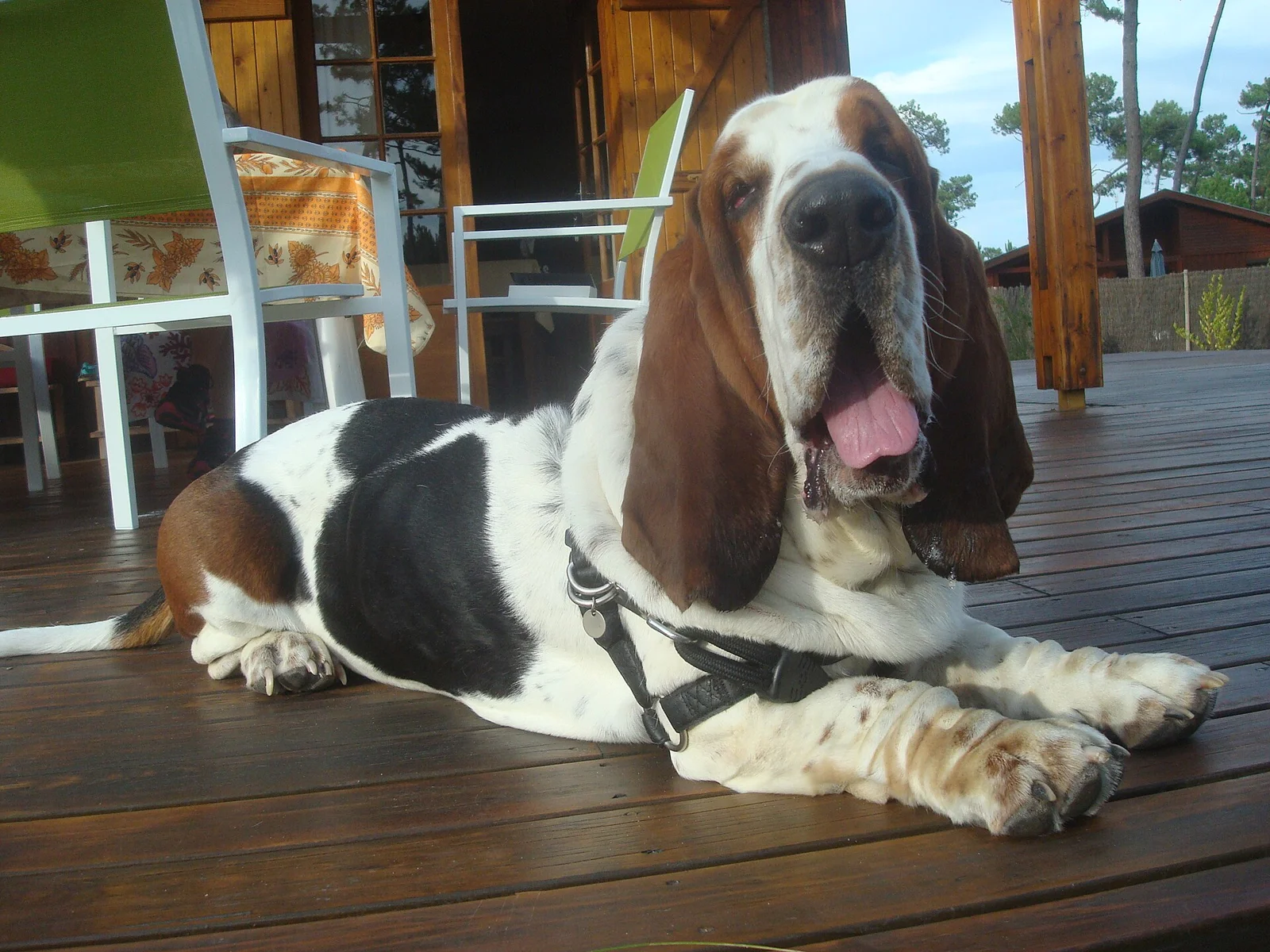
Illustrative photo · Eda · CC BY-SA 4.0