Archive date follows the original topic. Independently written and reviewed by idoghome on October 29, 2026.
Choosing a dog to frighten strangers is a poor foundation for a household companion. A powerful dog needs an owner who values calm behaviour, secure management and predictable handling. Protection claims and bite-force rankings offer little help with those everyday responsibilities.
Online rankings often mix measurements collected in different ways or repeat numbers without clear methods. They do not predict how an individual dog will behave, and they should not guide a purchase. A dog's capacity to cause injury makes good management more important; it does not make aggression desirable.
Look beyond the imposing outline
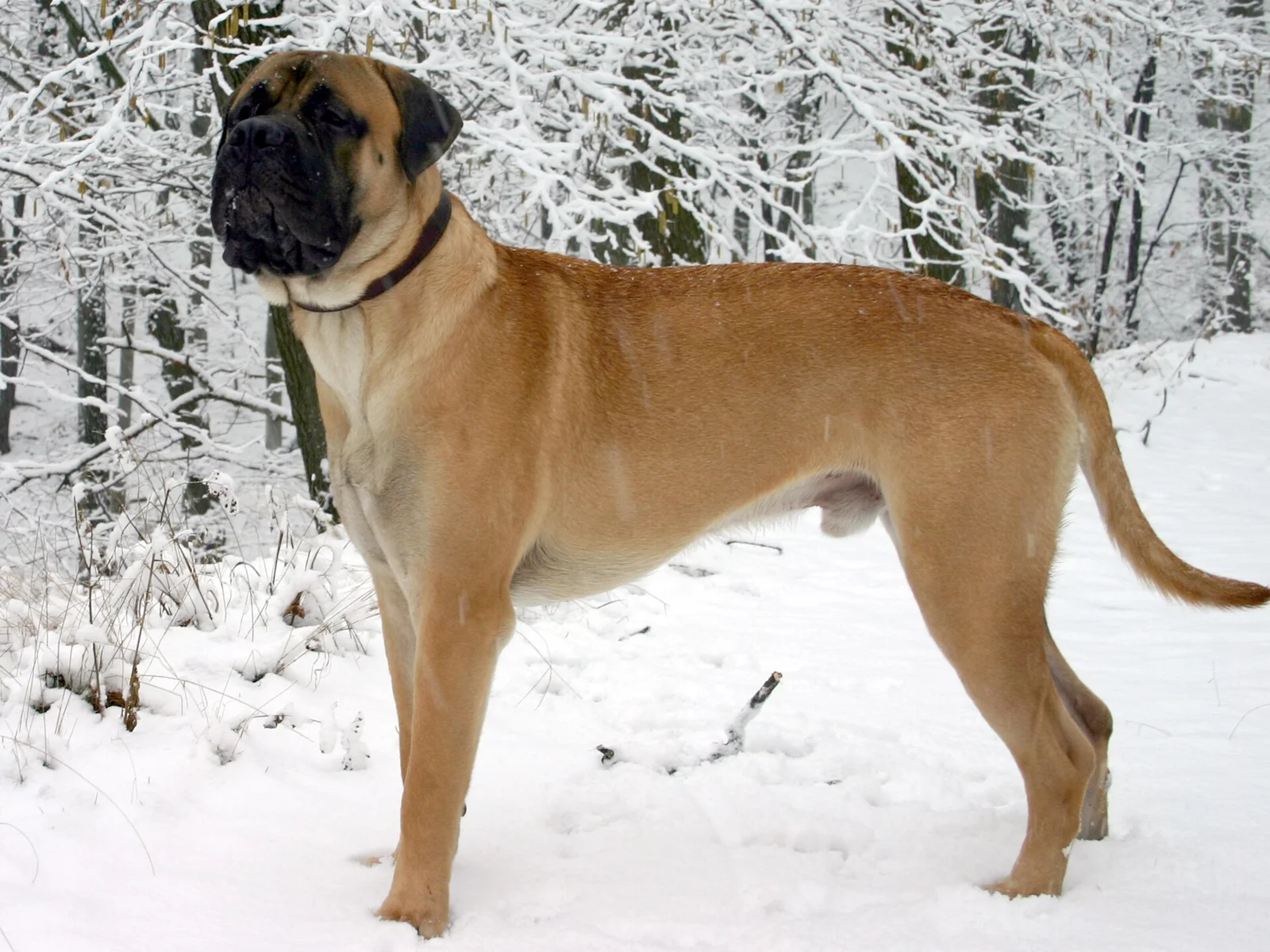
Rottweilers and Bullmastiffs are substantial dogs whose adult strength needs to be considered from the start. Teach comfortable lead walking, handling and settling while the dog is still manageable, and continue through adolescence. A friendly dog can still knock someone over or pull a handler off balance.
Staffordshire Bull Terriers are smaller than many people expect from broad “bull breed” labels. Judge the individual and ask about their history with other animals instead of assuming either universal friendliness or inevitable conflict. Breed labels used casually in shelters, media and online listings are not always precise.
The Kombai is associated with southern India and a working guardian tradition. Reliable detail can be harder to find than for heavily documented registry breeds. Meet knowledgeable local carers, ask for documented health information and be wary of sweeping claims about purity, exceptional strength or automatic suitability as a family guard. Cultural history deserves better than a sensational toughness contest.
Teach calm responses to ordinary events
A visitor at the door, a delivery or a neighbour passing the fence should have a rehearsed routine. Secure the dog before opening entrances and reward settling away from the activity. Do not encourage lunging at boundaries as a game or praise a dog for making someone afraid.
Socialisation means positive, manageable experience, not compulsory touching by strangers. Give a dog room to observe and disengage. If they become tense, increase distance rather than asking someone to prove that they are friendly. Discuss persistent fear, guarding or threatening behaviour with a veterinarian and a qualified professional using humane methods.
Plan for the practical details
Check housing restrictions and local requirements before adopting. Choose equipment suitable for the dog's build and teach cooperative handling for examinations, nail care and transport. Secure fencing and reliable doors are essential even when the dog normally stays close.
A guardian breed can be a valued companion in the right home. The useful questions are whether the household can meet their needs, manage their strength and respond sensibly when circumstances change. A calm dog who trusts their owner is a more worthwhile goal than an intimidating photograph.
Further reading: Understanding aggressive behaviour, Choosing a dog.
Illustrative photo · Corpusdigitalis (FHvB) · CC BY-SA 2.0 de