Archive date follows the original topic. Independently written and reviewed by idoghome on October 29, 2026.
A socialisation checklist can become a race: meet another dog, hear a bus, find a person with an umbrella. Your puppy, meanwhile, may still be thinking about the wheelie bin near the gate.
The useful question is not how many things you can introduce today. It is whether your puppy can experience something new without becoming overwhelmed, then recover comfortably afterwards. Plan an easy route home so you can end the outing whenever your puppy needs a break.
Start with a health plan and a practical plan
Ask your vet which outings and contacts are appropriate for your puppy's age, vaccination status and local disease risks. Do not treat another puppy owner's schedule as a rule for your own. Blue Cross's vaccination guidance recommends following your vet's advice about protection and safe exposure.
You can also practise around the house. A new surface, a folded umbrella on the floor or a switched-off vacuum cleaner can be an introduction without turning the day into a long excursion.
Let distance do some of the work
Choose a place where your puppy can observe without being surrounded. A bicycle passing well away is a different experience from one squeezing past their nose. Allow room to move farther away if they need it.
Dogs Trust recommends gradual, positive introductions. Reward comfortable interest and do not push a puppy closer simply because they have not approached the new thing yet. Watching from a safe distance can be enough for that session.
Choose quality over repeated greetings
Your puppy does not need to greet every person or dog. Ask people to give them space and let the puppy decide whether to approach. Keep interactions brief, and finish before excitement tips into worry or frantic play.
For dog-to-dog introductions, follow professional guidance about suitable partners and health precautions. A large group of unfamiliar dogs is not automatically a good learning environment. A calm, well-managed meeting offers more control over what happens.
Include the everyday things
Think about the life your dog is likely to lead. Will they travel in a car, see a groomer, hear a doorbell or share a home with visitors? Break those experiences into manageable parts. For handling, begin with a brief comfortable touch and a reward, rather than attempting a full grooming session immediately.
Sounds need similar care. Keep an introduction quiet and brief, and watch the puppy rather than the volume dial. If they become tense or try to leave, stop and make the next attempt easier.
Leave blank spaces in the diary
New experiences take energy. Plan time for ordinary meals, toilet opportunities and uninterrupted rest. After a busy morning, an afternoon at home may be more useful than completing another five items on a list.
Record which experiences were easy and which need a slower approach. If your puppy is repeatedly frightened or struggling to recover, ask your vet and a qualified reward-based professional for help. The aim is comfortable familiarity, not a puppy who has been hurried through every possible situation before the weekend.
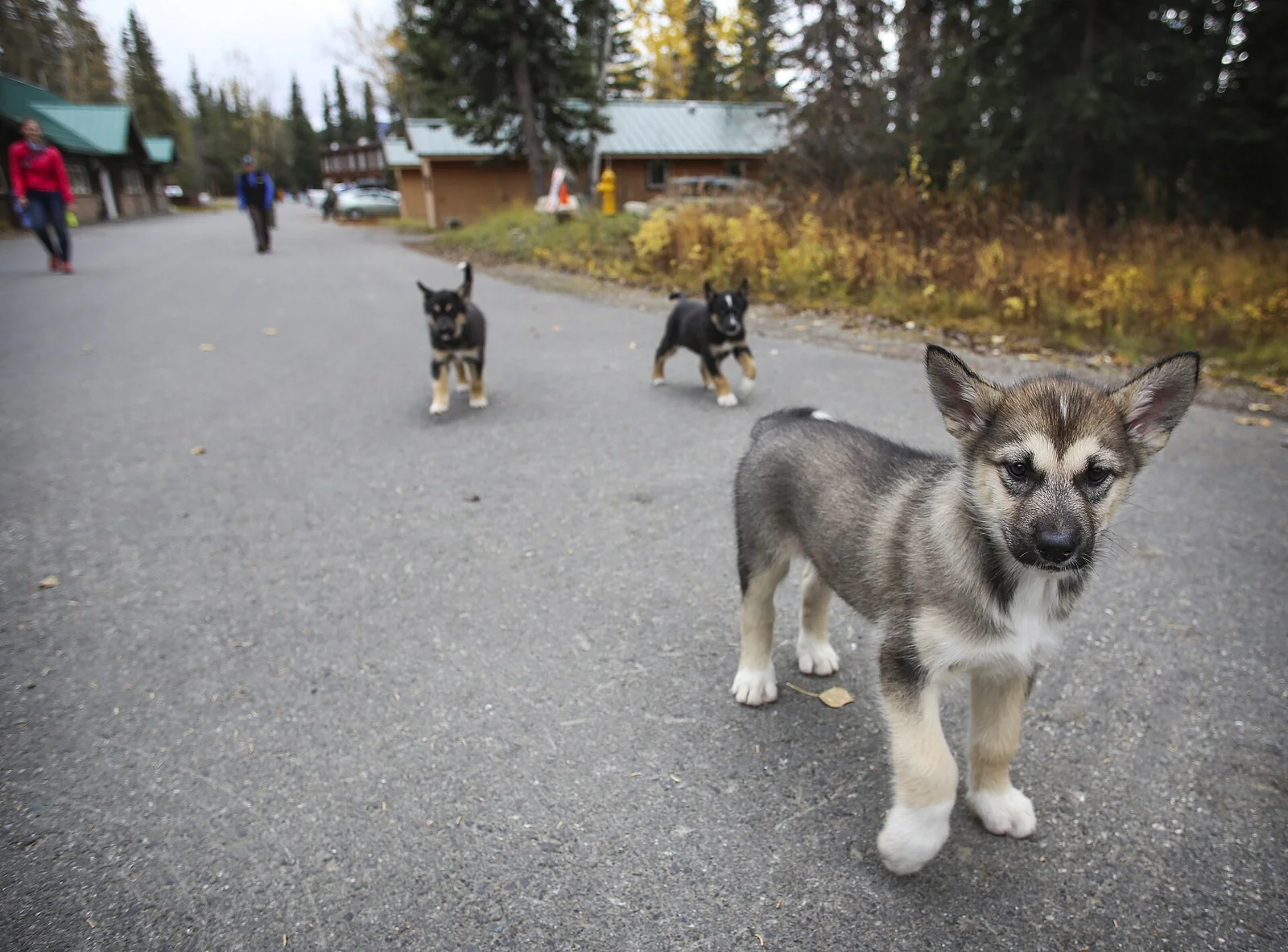
Illustrative photo.