Archive date follows the original topic. Independently written and reviewed by idoghome on October 29, 2026.
Your dog sits while you open the treat tin. Was that learning, or are you being expertly negotiated with? The answer depends less on the tin than on what happens across repeated attempts.
Reward-based training makes a useful action worth repeating. The practical job is to show your dog which action earned the reward, then arrange the next attempt so they can succeed again.
Be precise about the action
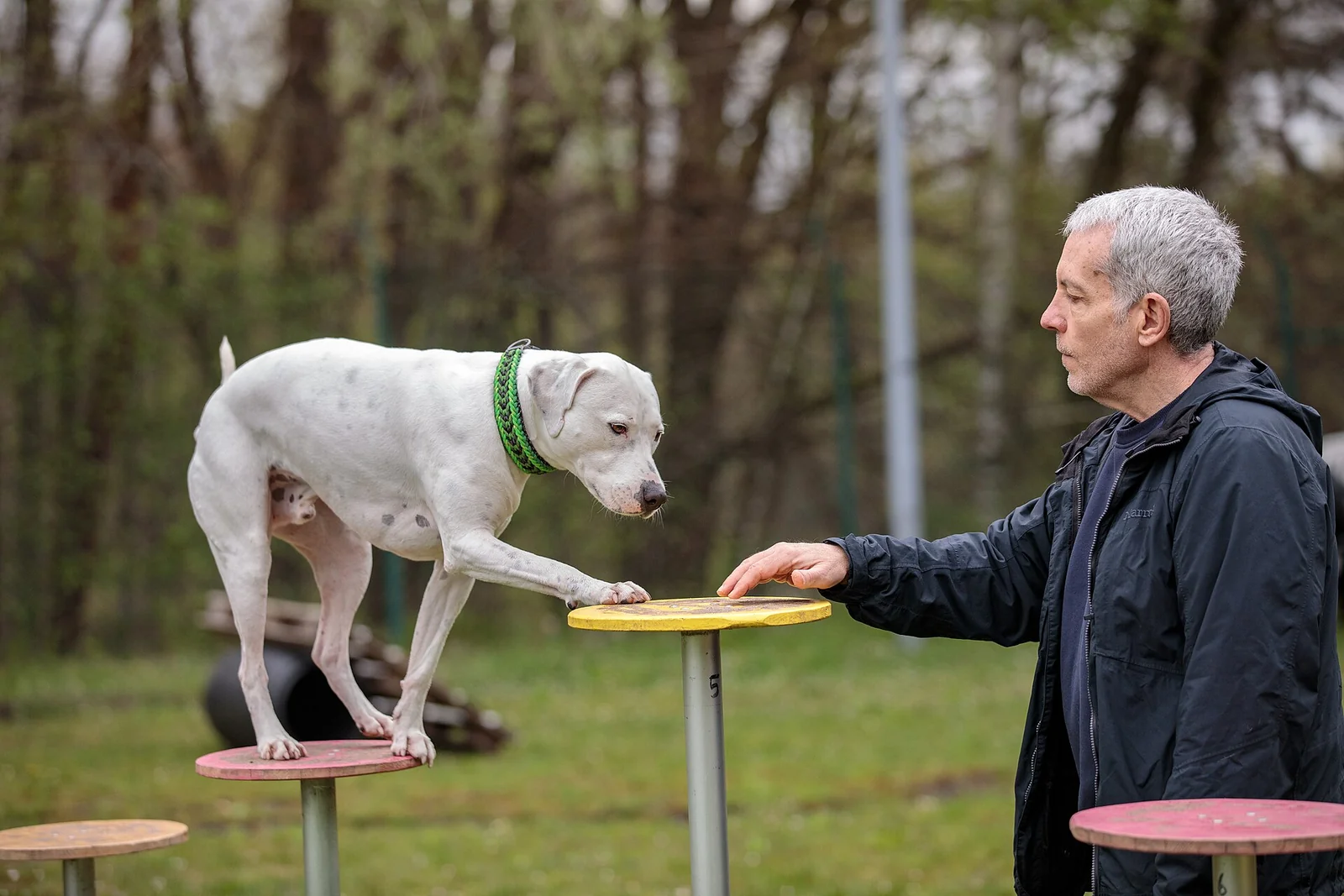
Choose something you can see. Four paws on the floor is clearer than “stop being silly.” Touching your hand is clearer than “pay attention.” When the action happens, say a short marker such as “yes,” then deliver the reward.
You can use a clicker instead of a word, but the device is not essential. Whichever marker you choose, keep its meaning dependable. It tells the dog that a reward is coming. Practise your timing with an easy skill before using it in a distracting place.
Reward and management work together
It is difficult to teach a dog to leave the kitchen bin alone while they are repeatedly finding food inside it. Put the bin somewhere secure and teach a useful alternative, such as moving to a mat while food is prepared.
The AVSAB explanation of reward-based methods includes humane management alongside teaching. Preventing access to a tempting item is not a failure to train. It makes the lesson more manageable while the new behaviour develops.
Keep rewards ready without advertising them forever
A visible food lure can help show a new movement, but avoid making the dog wait for the sight of a treat before every familiar cue. Once they understand the action, practise the cue with the food out of sight but immediately available. Mark success, then reach for the reward.
Do not make the task harder and remove the reward at the same time. If you have moved to a busy location or added distance, make successful responses worthwhile. Training is not a contest to see how quickly you can stop paying attention to the dog.
Choose something your dog enjoys here
Food is useful because it can be delivered quickly, but it is not the only option. A brief game, a chance to sniff or friendly attention may suit a particular dog and exercise. Let the dog's response guide you rather than assuming praise or patting always feels rewarding.
Keep food rewards small and account for them in the daily diet. If your dog follows a prescribed diet or has food restrictions, ask your vet which rewards are suitable. The purpose is clear feedback, not a second dinner during every lesson.
Review what your dog actually repeated
After a session, ask what became easier. Did your dog approach the mat more readily? Did they return after a short sniff? If the wrong action keeps appearing, check when the reward arrived and whether the exercise was clear.
Reward-based training is not permissiveness, and it is not a guarantee of instant results. You still need safe boundaries, practice and realistic goals. What changes is how you teach within those boundaries: arrange a fair task, notice the useful response and make that response worth trying again.
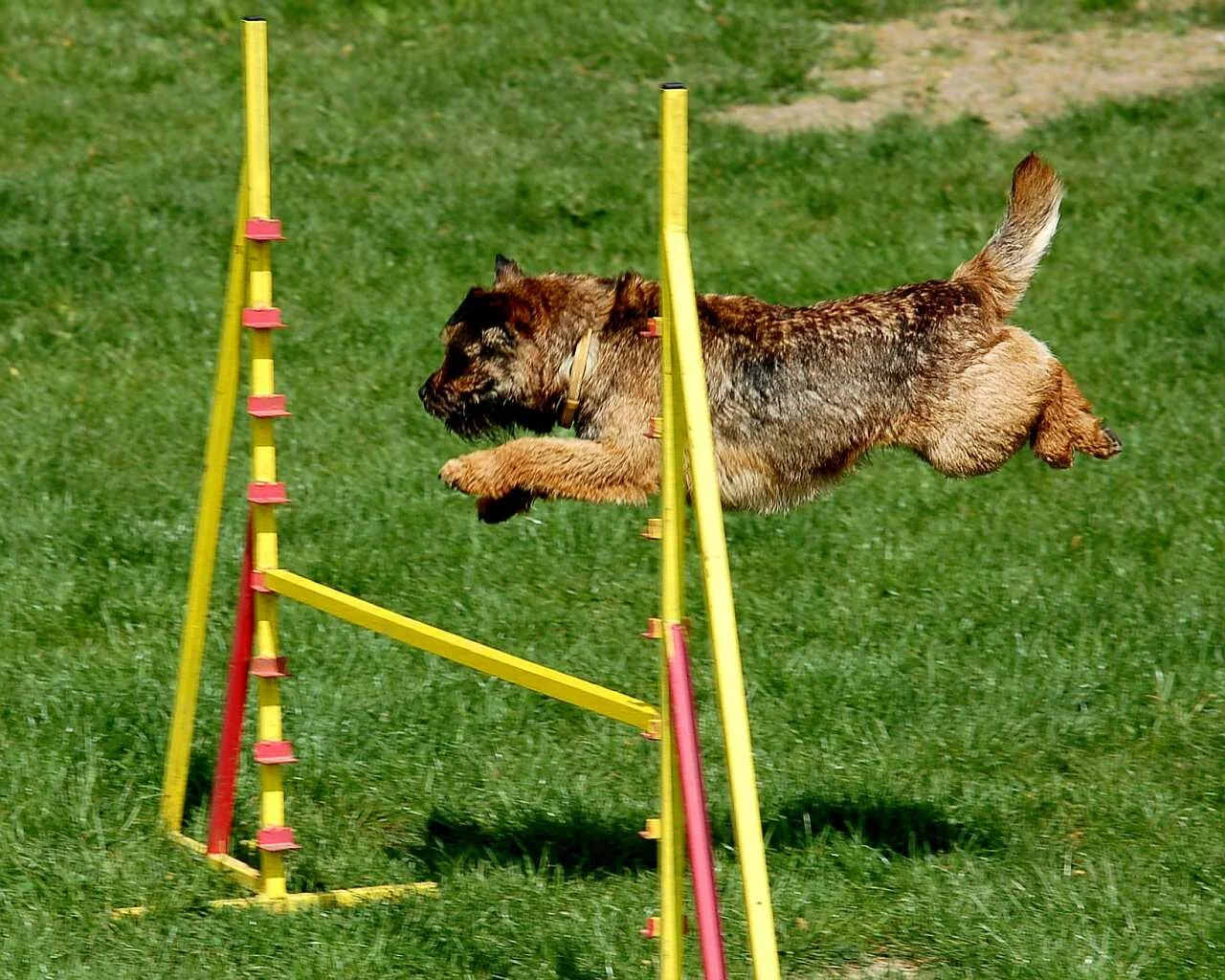
Illustrative photo.