Archive date follows the original topic. Independently written and reviewed by idoghome on October 29, 2026.
A dog does not need to burn off every bit of energy before bedtime, especially during a heatwave. Some days the sensible plan is a brief toilet outing, a cool room and a few calm activities. Missing a long walk is easier to manage than an overheated dog.
Plan for the dog in front of you. A short-nosed dog, an older dog or one with a health condition may struggle when another seems comfortable. Ask your vet about individual limits before summer outings become a problem.
Move the routine, then reduce it
Consider the coolest practical times for essential outdoor activity, but do not assume early morning automatically makes every route safe. Humidity, direct sun, warm ground and limited shade all matter. Choose an easy route close to home so you can turn back promptly.
The American Veterinary Medical Association advises avoiding the hottest periods, supplying water and taking breaks. Leave pets out of parked cars altogether, including apparently quick stops. Open windows are not a reliable way to prevent dangerous heating.
Make indoor time interesting without making it frantic
Offer a gentle search for a few pieces of the dog's usual food, a short session of an already familiar skill or a supervised food toy suited to the dog. Put the activity in a comfortable room with space to leave it. Avoid turning a small hallway into a sprinting course.
Rotate activities rather than presenting everything at once. A few minutes of sniffing followed by rest can fit the day better than repeated ball throwing. If your dog cannot settle, check comfort, thirst and the room temperature instead of assuming more exercise is the answer.
Watch the dog, not the schedule
Heat stress can show as excessive panting, drooling, agitation, abnormal gum colour, unsteadiness or collapse. Do not keep walking to finish a loop when your dog is struggling. AAHA's heatstroke advice explains why early action matters.
If you suspect overheating, stop activity, move to a cooler place and contact an emergency veterinary service immediately for cooling and transport instructions. Do not wait for collapse or assume improvement means a check is unnecessary. Keep the call focused on what happened, the dog's current signs and your location.
Prepare before the next warm day
Know which room stays coolest and whether the dog can reach fresh water without crossing a hot patio. Check that household members understand the car rule and that a dog sitter knows your changed routine. Have the veterinary contact readily available.
When temperatures ease, return to normal activity gradually according to your dog's condition. There is no missed-exercise debt to repay with an extra-long run. A comfortable dog who has rested through an unusually hot afternoon has had a successful day, even if the activity tracker has very little to celebrate.
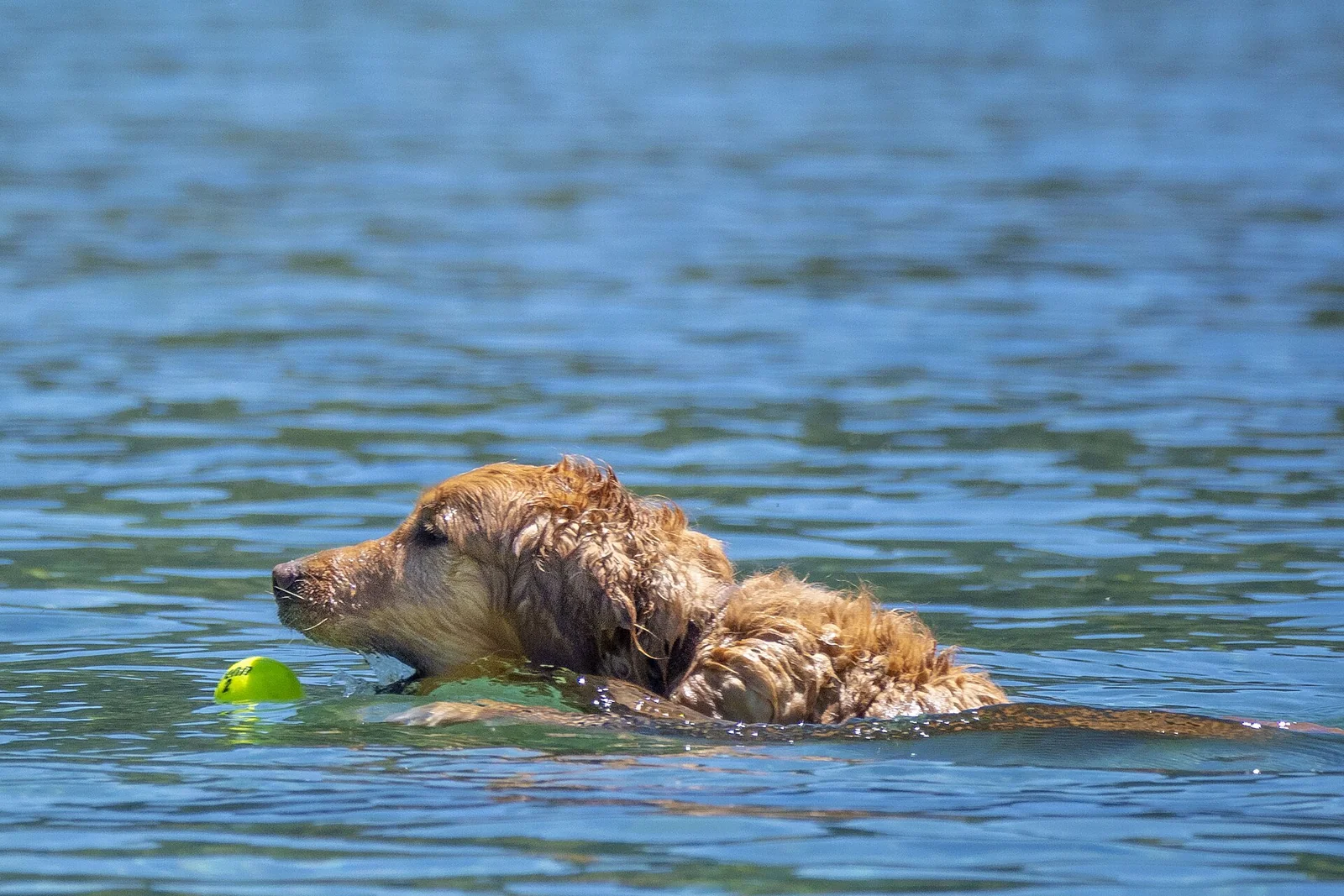
Illustrative photo.