Archive date follows the original topic. Independently written and reviewed by idoghome on October 29, 2026.
A national label can hide enormous variety. A Russian Toy and a Black Russian Terrier differ so much in size and working background that choosing between them is a question about everyday life, not simply an interest in dogs from the same part of the world.
Breed histories can be fascinating, but modern care should be based on the individual dog and reliable information. Avoid treating romantic descriptions of endurance, loyalty or toughness as promises about a puppy. Meet adults and ask what owners find difficult as well as what they enjoy.
Small companion, full dog life
The Russian Toy is among the very small companion breeds. Its size makes careful handling and safe interaction with larger animals important. It still needs training, outdoor experiences and the chance to move on its own feet. Carrying a dog everywhere can prevent the very learning that helps them feel confident.
Ask about dental care, grooming and the dog's response to unfamiliar people. A tiny body does not excuse fearful behaviour being ignored, nor does it make all rough play harmless. Build comfortable routines from the beginning.
Sighthound space and secure exercise
The Borzoi has a Russian sighthound history and a tall, distinctive outline. Think about secure opportunities to move, comfortable bedding and transport. Interest in chasing can become important around wildlife or smaller animals, so assess the individual and make sensible lead decisions.
Do not equate quiet indoor behaviour with no need for activity. Ask how the dog settles after outings and what safe exercise arrangements experienced owners use. A long-legged dog also needs enough room to lie and turn comfortably at home.
Powerful workers require practical preparation
The Black Russian Terrier is a large working dog with a substantial coat. Handling strength, training, grooming and secure management belong in the decision before appearance. A family needs a shared plan for visitors and entrances, not an expectation that loyalty will automatically produce good manners.
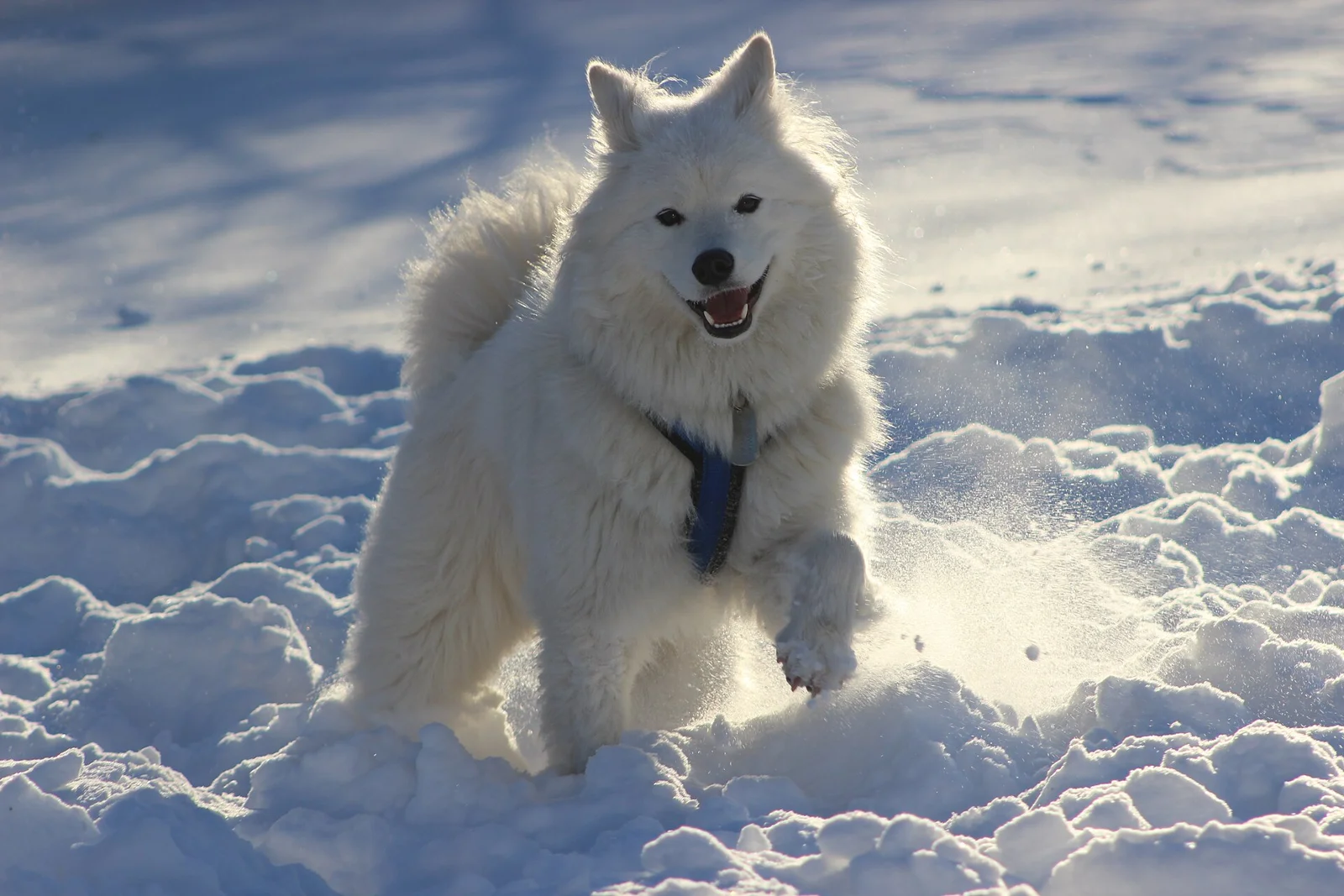
Northern breeds associated with sledding or cold climates can bring different exercise and coat-care demands again. Geography alone does not make them suitable for every outdoor lifestyle, and a thick coat does not remove the need to manage heat carefully.
Use a breed's origin as an invitation to learn about the work and conditions that shaped it. Then ask whether your actual home can provide appropriate care. The most useful comparison is not which breed sounds most impressive, but which individual dog you can help live comfortably through ordinary days.
Further reading: Russian Toy, Borzoi, Black Russian Terrier.
Illustrative photo · Johnjptraynor · CC BY-SA 4.0