Archive date follows the original topic. Independently written and reviewed by idoghome on October 29, 2026.
A dog dragging its bottom across the floor can look funny for a moment. Repeated scooting is more useful as a message: something in that area is uncomfortable. The job is to find the irritation, not teach the dog to stop showing it.
Anal glands are one possible explanation, but they are not the only one. Jumping directly to an online treatment can miss a sore patch, something caught in the coat or another problem that needs examination.
Observe without making the area sorer
If your dog is comfortable with it, look gently around the tail and bottom. Note visible dirt, redness, swelling, discharge or damaged skin. Stop if the dog objects or seems painful. A normally tolerant dog can react defensively when an area hurts.
PDSA's veterinary guidance lists several possibilities, including anal-gland problems, worms, itchy skin and material stuck around the bottom. An obvious bit of soiling may be gently bathed away if the dog is comfortable, but painful swelling or persistent symptoms needs veterinary advice.
Do not turn a guess into a procedure
Avoid squeezing the anal glands yourself, probing a swelling or cutting close mats with scissors against the skin. Ask the practice how the area should be managed. Giving a random worming product or adding fibre without a plan does not establish what caused the scooting.
Tell the vet about the dog's parasite-prevention history and any recent stool changes. Bring the product names and dates rather than saying only that the dog is “up to date.” The information helps the practice decide what needs checking.
Keep a short record
Note whether scooting follows a bowel movement, happens repeatedly during the day or comes with licking and chewing. Record appetite, energy and any difficulty passing stools. If there is visible discharge, a photograph may help explain what you saw, provided you can take it without upsetting the dog.
Do not delay a call to gather a perfect diary. Pain, bleeding, a noticeable swelling, unusual discharge or a dog that seems generally unwell deserves prompt attention. Ask the clinic how soon they want to see the dog and whether anything should be done before arrival.
After the appointment
Get clear instructions about treatment, cleaning and rechecks. If the problem returns, tell the vet how long the improvement lasted. Repeated episodes may call for a review of the underlying cause rather than repeating the same intervention indefinitely.
At home, keep the dog's resting area clean and make necessary handling calm and brief. Reward cooperation without insisting on contact that hurts. A clean carpet is welcome, but the more important result is a dog that can sit, walk and pass stools comfortably without needing to drag along the floor.
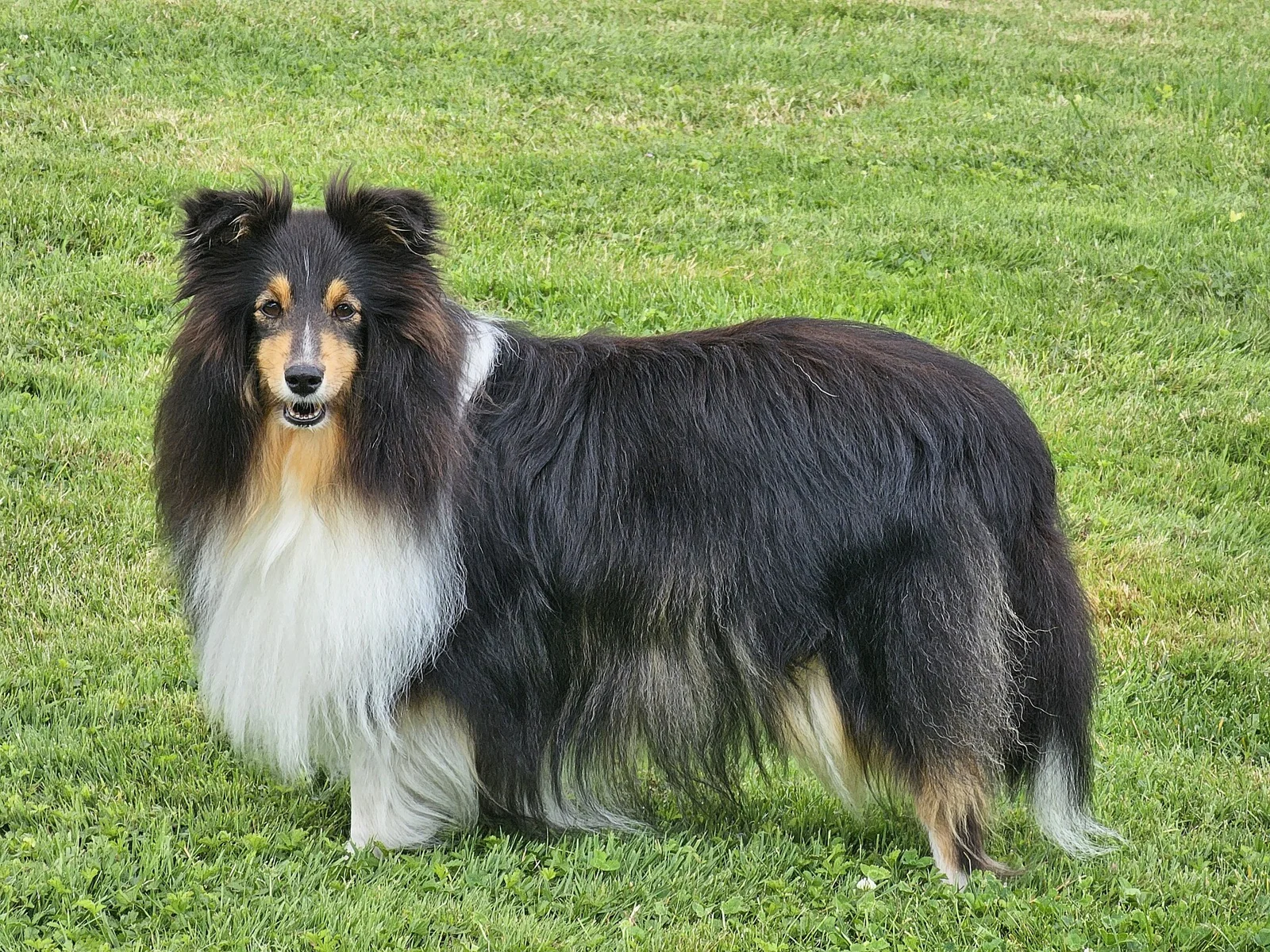
Illustrative photo.