Archive date follows the original topic. Independently written and reviewed by idoghome on October 29, 2026.
A dog who comforts their owner at home is doing something valuable. That does not automatically make them a therapy dog, an assistance dog or suitable for visiting a hospital. These terms describe different roles, and confusing them can create unrealistic expectations for both people and animals.
Pet Partners describes therapy teams as people and animals visiting others, while service or assistance animals are trained to help a person with a disability. Emotional support is another category and does not mean the animal has the same task training or access rights. Legal definitions and access rules vary, so check the official rules where you live when those questions matter.
Start with the dog's experience
A potential visiting dog should be comfortable with the setting and enjoy the work. Calm behaviour under restraint is not enough if the dog is tense or repeatedly trying to disengage. A handler needs to recognise subtle changes and be willing to end a visit.
Different people, unusual movement, equipment and unexpected sounds can all be part of a care setting. Preparation and assessment through a reputable programme matter more than choosing a breed from a list. Dogs of many backgrounds may be suitable; many lovely pets are happier staying pets.
The handler is part of the team
Good handling includes protecting the dog's rest, following hygiene and facility rules and managing interactions respectfully. A visit should never depend on making the dog endure uncomfortable touching because someone is pleased to see them.
Ask a programme about eligibility, evaluation, health requirements, insurance and continuing support. Find out how visits are organised and what happens if the dog becomes unwell or no longer enjoys the work. Standards should be clear before you commit.
Do not promise a medical outcome
A pleasant interaction can be meaningful without being a treatment guarantee. Decisions about a person's health or disability support belong with qualified professionals and appropriate organisations. A dog should not replace necessary medical care or be expected to solve every difficult emotion.
If you are choosing a companion for yourself, consider ordinary needs first: exercise, handling, cost, housing and backup care. A dog who fits the household may provide more sustainable comfort than a supposedly ideal breed whose daily requirements are overwhelming.
Support work is worthwhile when the human benefit and the dog's welfare are considered together. Choose the role carefully, use a reputable programme where formal work is involved and leave room for an individual dog to prefer a quieter life.
Further reading: Pet Partners role definitions, Volunteer requirements.
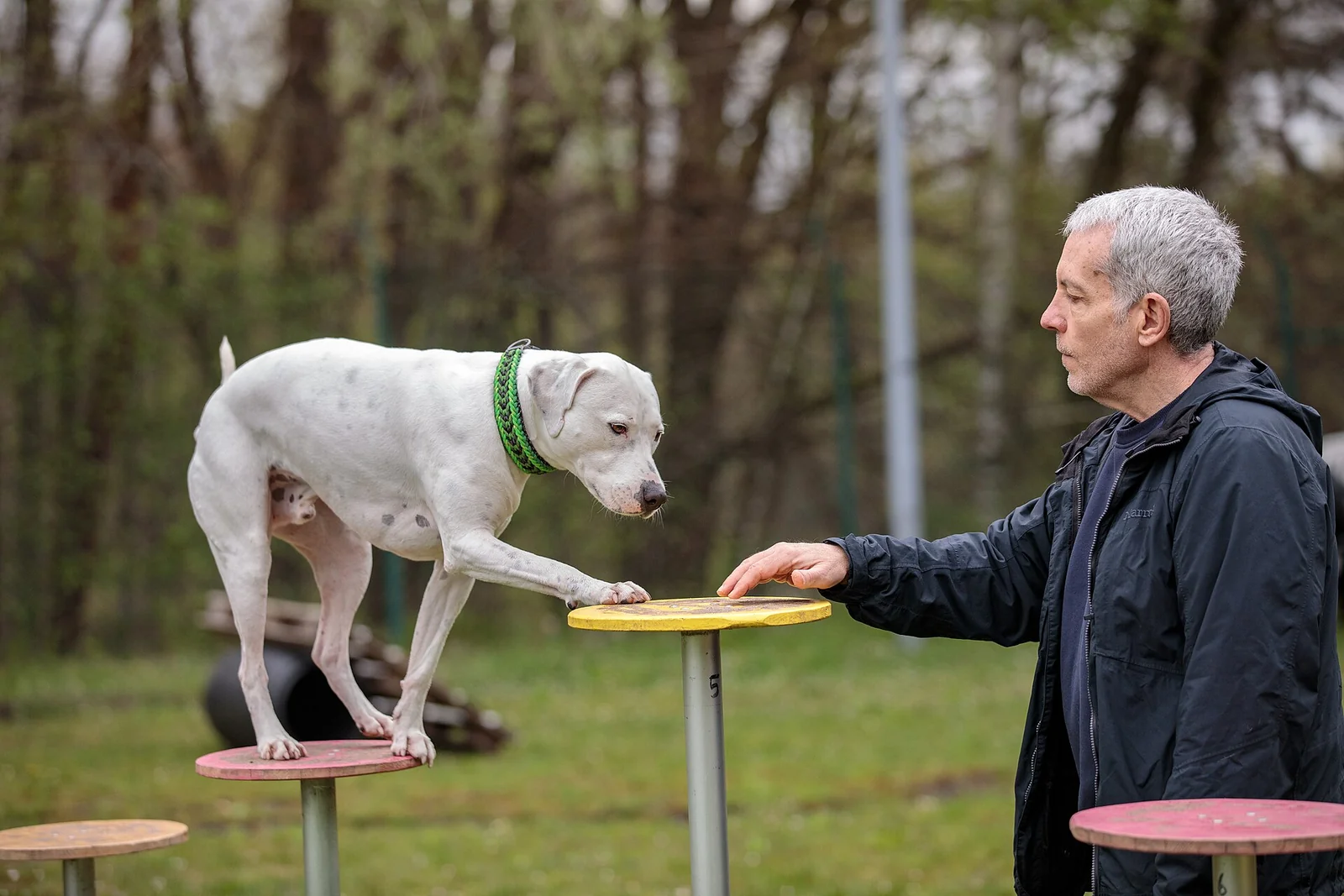
Illustrative photo · UzumakiDiggy · CC BY-SA 4.0