Archive date follows the original topic. Independently written and reviewed by idoghome on October 29, 2026.
The word “dog” can hide a great deal of variety. A pet Labrador, an African wild dog and a dhole belong to the wider canid family, but that relationship does not make their lives interchangeable. Wild canids have their own ecological roles, social arrangements and conservation needs.
A useful introduction starts with a few well-described species rather than an “exotic pet” shopping list. The following animals are subjects for learning and conservation, not alternatives to a domestic companion.
African wild dogs
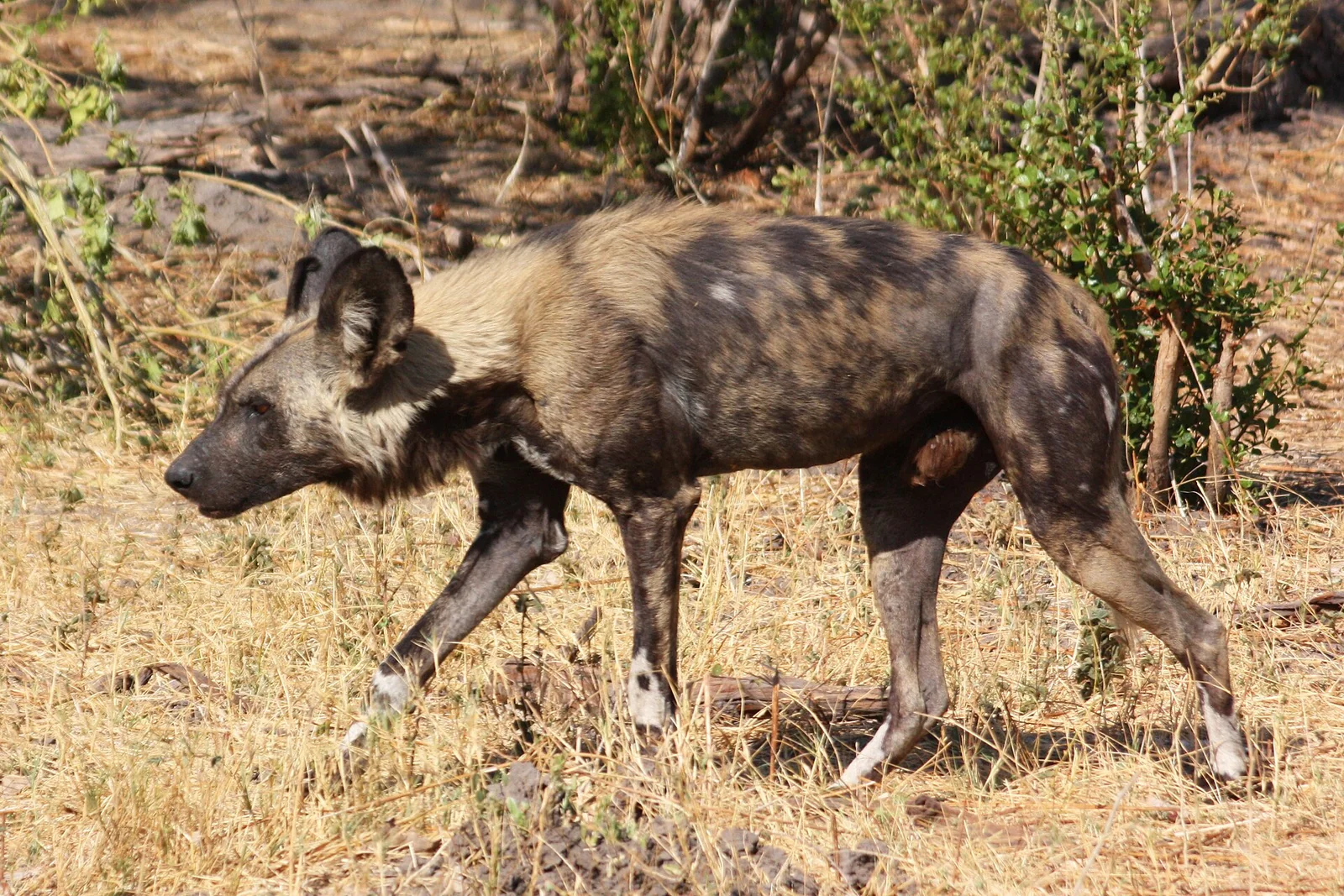
African wild dogs, also called painted dogs, are recognised by their patterned coats and large rounded ears. WWF identifies them as endangered and describes habitat loss, conflict with people and disease among the pressures they face.
Their conservation depends on more than admiration for striking photographs. Space and connections between suitable areas matter. A protected patch that is too isolated may not provide everything a wide-ranging population needs.
Dholes
The dhole, Cuon alpinus, is an Asian canid. The IUCN Canid Specialist Group describes populations occurring in disconnected areas across South, East and Southeast Asia. The name “Asian wild dog” is useful shorthand, but the scientific name helps distinguish the species from free-roaming domestic dogs.
That distinction matters when reading wildlife reports. A village dog seen near a forest is not automatically a dhole, and an uncertain sighting should not be promoted as a confirmed record without appropriate identification.
Maned wolves
A maned wolf looks at first like a fox stretched upward on exceptionally long legs. Smithsonian's National Zoo explains that it is neither a true wolf nor a fox, despite its name and appearance. It is a distinct South American species in the genus Chrysocyon.
Its diet includes fruit as well as small animals. That detail is a reminder that familiar labels can mislead: looking vaguely wolf-like does not tell us everything about how an animal feeds or lives.
Appreciate them without trying to possess them
Wildlife footage often shows a calm moment in a managed setting. It does not demonstrate that an animal is domesticated or suitable for a household. Nor does a friendly-looking face remove the need for specialist care and appropriate habitat.
For a constructive next step, follow conservation organisations that identify the species, explain their work and publish dated information. When travelling, choose observation that respects distance and avoids feeding or handling wildlife.
These canids make the dog's wider family more interesting precisely because they are different. Understanding those differences is a better tribute than treating every unusual-looking relative as a potential pet.
Further reading: WWF African wild dog profile, IUCN Canid Specialist Group dhole profile, Smithsonian maned wolf profile.
Illustrative photo · Charles J. Sharp · CC BY-SA 3.0