Archive date follows the original topic. Independently written and reviewed by idoghome on October 29, 2026.
You have been looking forward to this puppy for weeks. The puppy has known you for an afternoon. It is fine if your ideas about instant friendship are not quite aligned yet.
Trust often grows through small predictable events: you provide food, notice when the puppy needs the toilet and stop an interaction before it becomes too much. There is no special cuddle quota to reach.
Be available without being constant
Sit nearby and let your puppy decide when to investigate. Speak calmly and keep movements unhurried. If they approach, offer a brief pleasant interaction, then pause. They can choose another turn or move away.
Do not measure the relationship only by lap time. Some dogs prefer being near rather than being held. Dogs Trust describes several quiet forms of connection, including relaxing nearby. Your puppy's preferences will become clearer as you share ordinary days.
Use play as a conversation
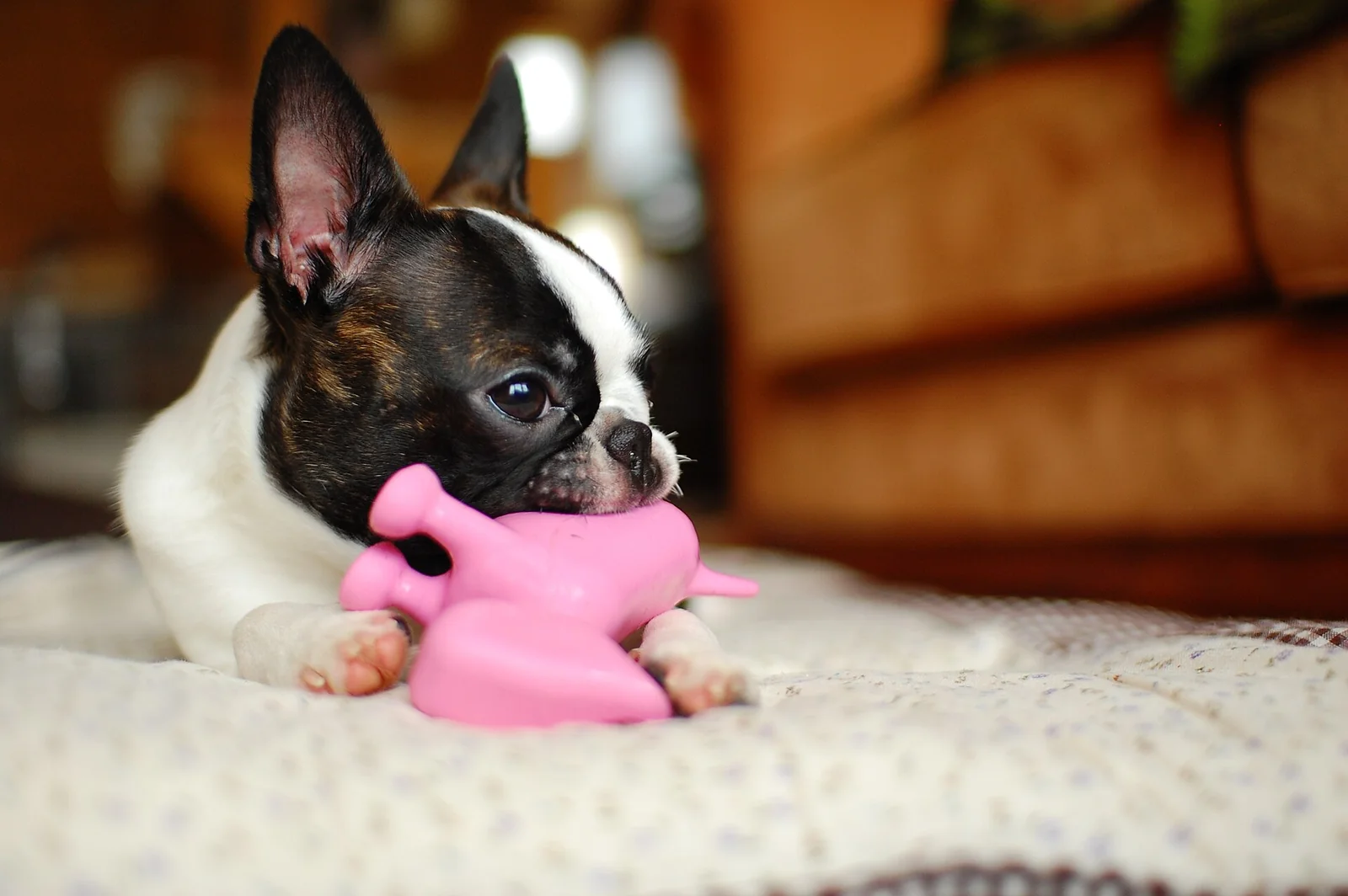
Offer a suitable toy and see what your puppy enjoys. Keep games short enough to remain comfortable, with pauses between bursts of activity. If play becomes frantic or teeth repeatedly catch clothing and skin, end the interaction calmly and consider whether rest or a quieter activity is needed.
Avoid turning every game into a test of ownership. Trading for another suitable toy or a reward gives you a way to end play without grabbing things away. If you notice guarding or are worried about biting, ask for professional advice rather than practising confrontations.
Teach easy things you can reward
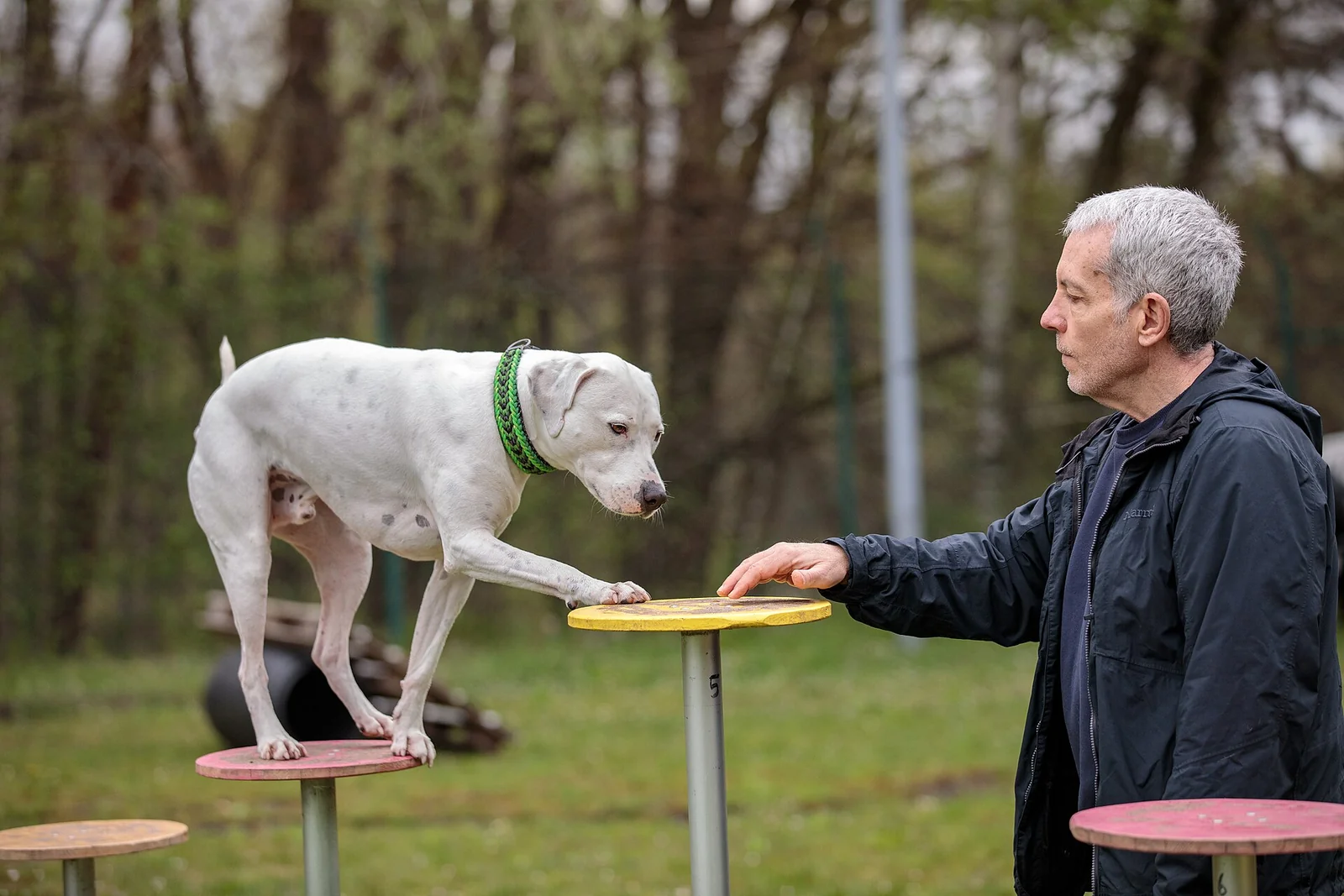
Looking towards you, following a few steps or investigating a resting mat can be useful first lessons. Keep rewards ready so success is easy to recognise. Dogs Trust's puppy-habits guidance shows how arranging the environment supports the behaviour you want to reward.
Give the puppy opportunities to succeed with different household members. Agree on the cues and routines so the lesson does not change completely whenever another person takes over.
Make handling brief and considerate
Begin with touches your puppy is comfortable with, followed by a pause and a suitable reward. You are preparing for practical care, not trying to prove that the puppy will tolerate anything. Ask your vet or groomer to show you appropriate handling if you are uncertain.
If the puppy pulls away or becomes tense, stop and make the next attempt easier. Necessary medical care may need a veterinary plan; it should not become an improvised wrestling match at home.
Protect rest and predictable care
A tired puppy does not need to be persuaded into another bonding activity. Let them sleep undisturbed, keep meals dependable and plan toilet opportunities. Share those jobs between caregivers rather than making one person responsible for every pleasant event.
Notice what your puppy chooses when nothing is being asked of them. Perhaps they bring a toy, settle beside your chair or glance back during a sniff. Those are ordinary moments, but they tell you more about a growing relationship than a forced photograph. Keep making daily life comfortable and understandable, and allow familiarity to do its work.
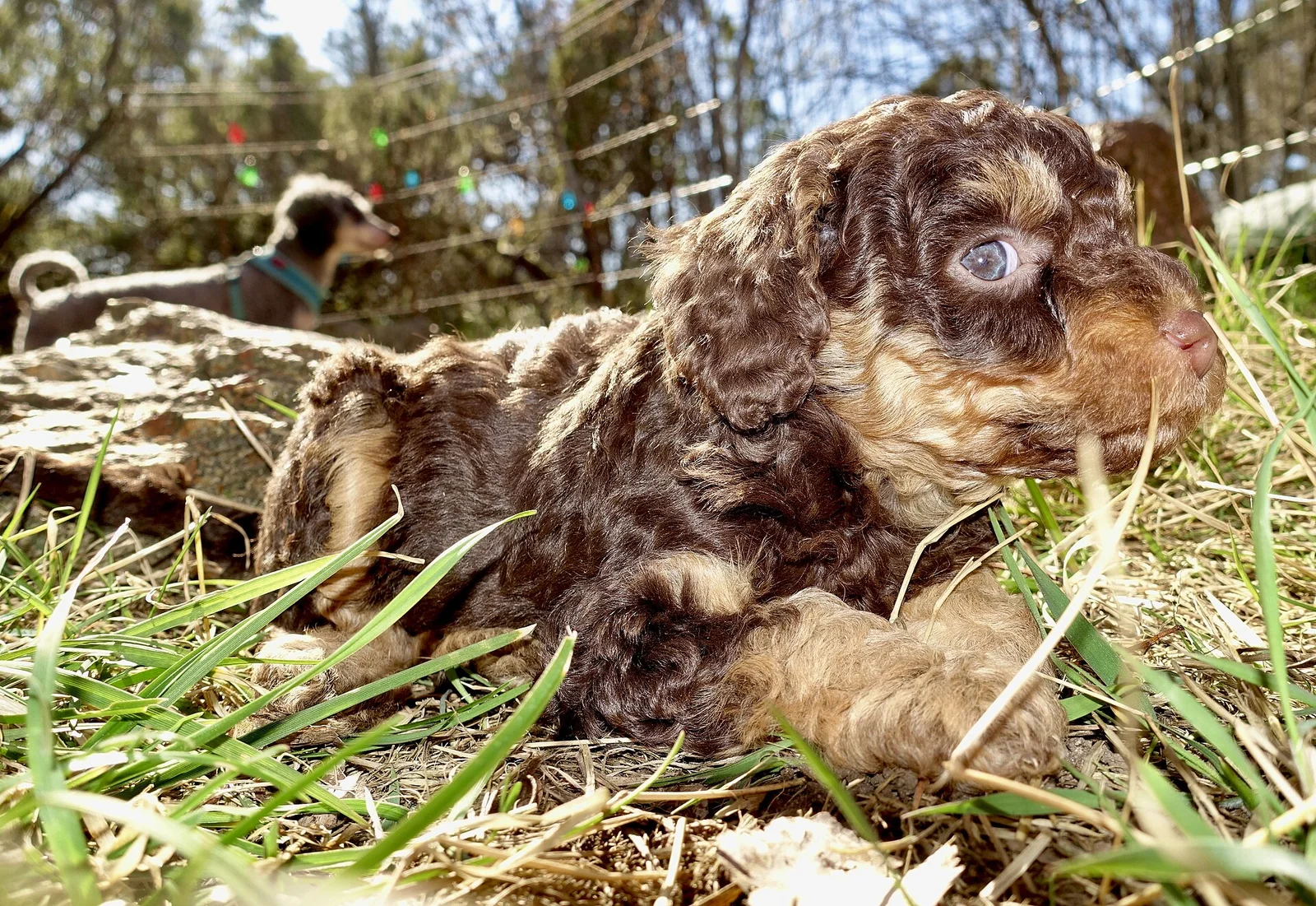
Illustrative photo · Wolfmann · CC BY-SA 4.0