Archive date follows the original topic. Independently written and reviewed by idoghome on October 29, 2026.
One person says “off,” another says “down,” and a third gives the dog a cuddle when they jump up. Nobody is trying to make training difficult. A busy household simply develops several versions of the same conversation.
Consistency means making that conversation clearer. It does not mean demanding identical performance every day, regardless of noise, tiredness or what is happening around your dog.
Agree on one useful action
Choose a situation that comes up often, such as greeting somebody at the door. Describe what you want the dog to do in terms you can see: keep four paws on the floor, or wait behind a gate while the visitor comes in. “Be polite” leaves too much room for interpretation.
Write the plan where the people involved will actually notice it. Include the cue, if there is one, and the reward. A simple plan that everyone can follow is better than an elaborate one remembered by a single enthusiastic family member.
Give the same word one job
If “down” means lie on the floor, avoid also using it for getting off the sofa. Pick a different cue for the second action. You can teach both skills; separating the words just makes the task less muddy.
Say a cue once, then allow time for a response. Repeating it while the dog is distracted can turn the background noise into part of the routine. Instead, get closer to an easy version of the exercise and try again when your dog is ready to engage.
Notice the quiet successes
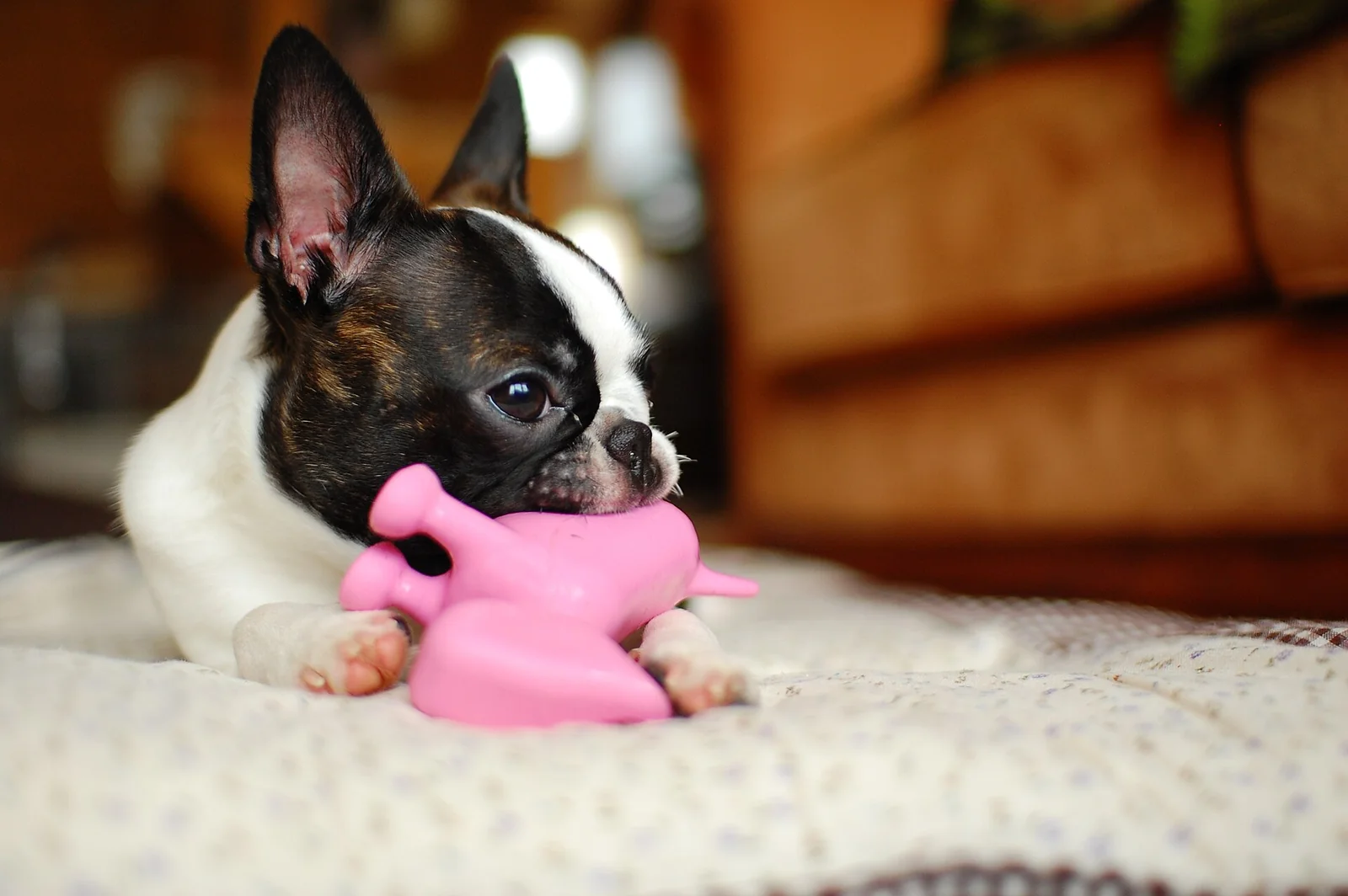
We tend to react when a dog steals a slipper and overlook them when they choose their own chew. Leave appropriate rewards within your reach so you can acknowledge the choice you wanted. Dogs Trust's good-habits guidance combines arranging the environment with rewarding suitable behaviour.
That might mean putting shoes behind a door, then rewarding the dog for settling with a suitable toy. You are reducing the chance of the unwanted habit being rehearsed while making the alternative easier to learn.
Keep the rule, adjust the difficulty
A dog who can wait beside you in an empty hallway may not manage it during a birthday party. The goal can stay the same while your setup changes. Add distance, use a quiet room or keep a gate between the dog and arriving guests.
On a difficult day, reward a smaller success. This is not “letting the dog win.” It is choosing a task they can understand in that moment. New skills need regular rewards, as explained in Dogs Trust's reward-based training guide.
Check the plan once a week
Ask which part people find hardest to follow. Perhaps the treat container is in the wrong room, or the visitor routine needs a second person. Fix the practical snag before blaming anybody's commitment.
Keep practice brief enough to fit around normal life. A few clear repetitions while the kettle boils can be more manageable than a long session everyone dreads. The aim is a dog who understands the household, and a household that gives the dog a fair chance to succeed.
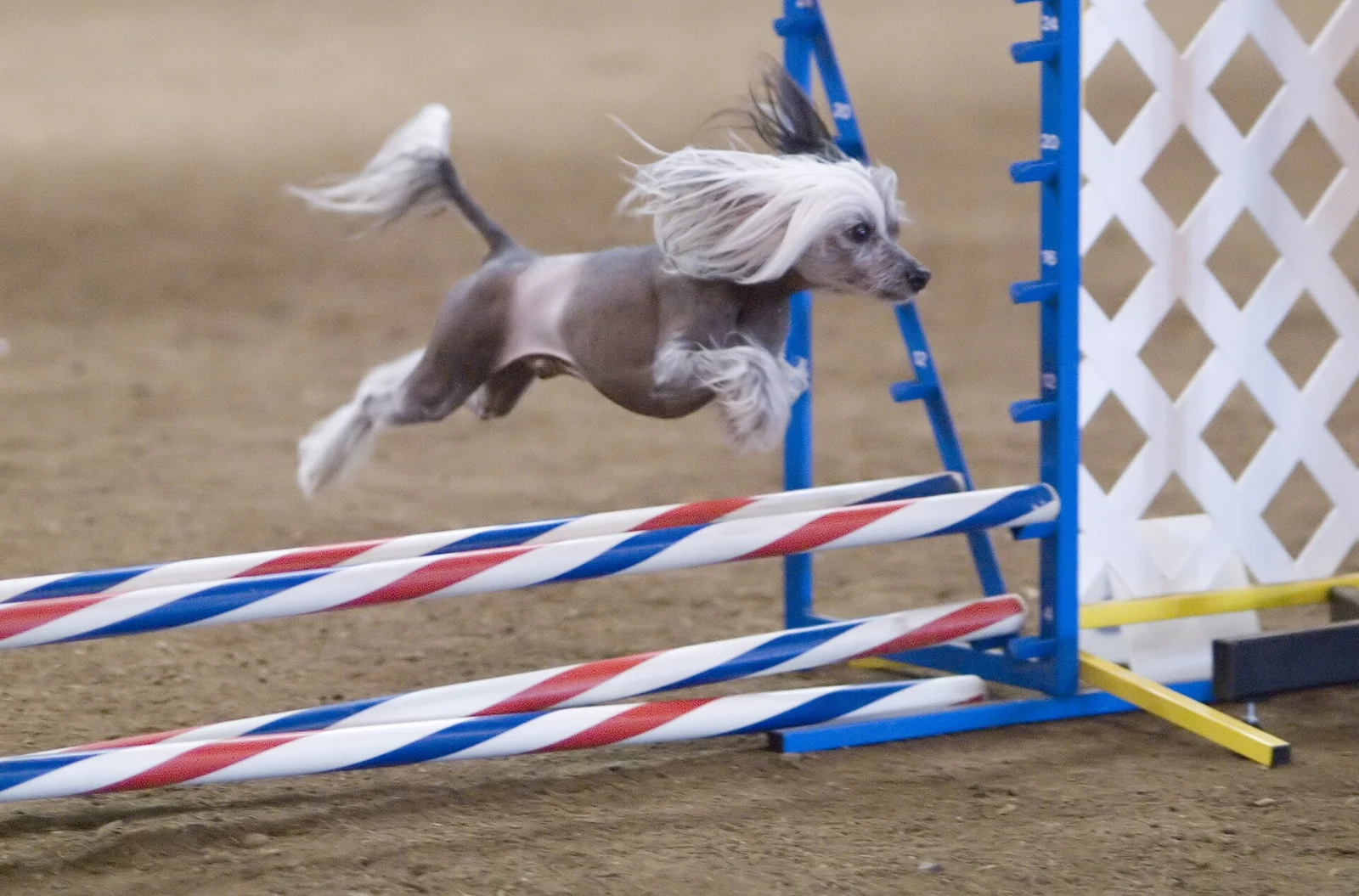
Illustrative photo · Ron Armstrong from Helena, MT, USA · CC BY 2.0