Archive date follows the original topic. Independently written and reviewed by idoghome on October 29, 2026.
A striking coat can draw you to a dog before you know anything else about them. Long hair, a snowy white outline or a puppy photograph may be irresistible. The useful next step is to picture that same dog after a wet walk, during seasonal shedding and on the day they do not want their feet brushed.
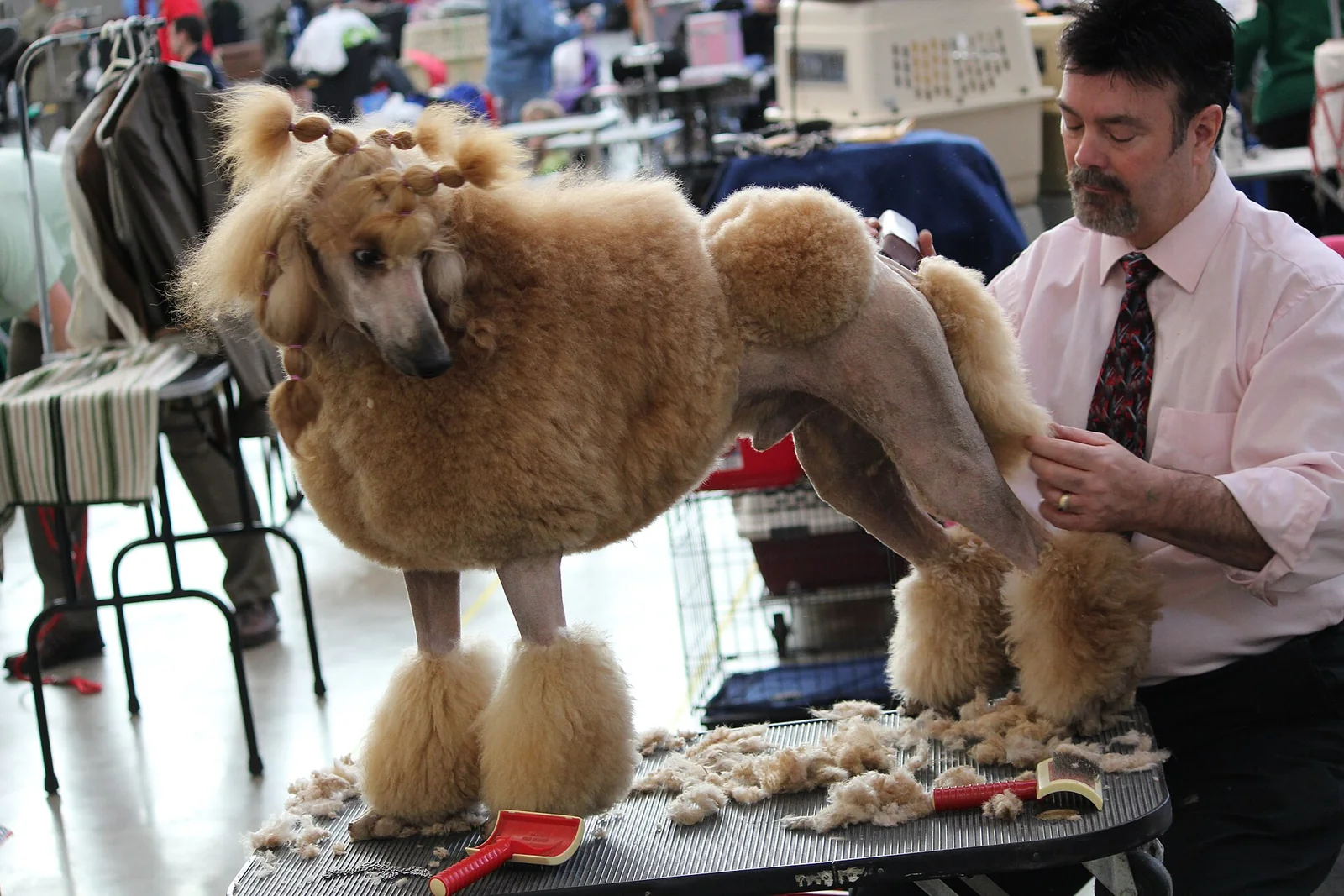
Beauty is subjective. Grooming needs are practical. Before choosing a dog for a particular look, find out how much work is required to keep the skin and coat comfortable. A hairstyle in a photograph may depend on professional grooming, careful preparation or a coat stage that will change as the dog matures.
Long hair needs access to the skin
The surface can look tidy while tangles form underneath, especially behind ears, under equipment and where legs meet the body. Ask a groomer to demonstrate a routine suitable for the dog's coat rather than buying a brush based on appearance alone. Work gently in small areas and stop before the dog becomes distressed.
Do not try to cut a tight mat away with household scissors. Skin can be pulled into the mat and is easy to injure. A professional may recommend clipping for comfort, even if that changes the look you hoped to maintain. Keeping hair long should never take priority over keeping the dog pain-free.
White, fluffy and unusual are descriptions
A white coat does not identify a single temperament or maintenance routine. A small companion breed, a livestock guardian and a sporting dog can all be white while needing very different homes. Similarly, fluffy dogs can have double coats or hair that continues growing; those differences affect care.
Puppies may change substantially as their adult coat develops. Colour, texture and body proportions can shift, so choose a dog for more than a temporary appearance. Ask to see adult relatives where appropriate and discuss expected maintenance with someone familiar with the breed.
Make grooming cooperative
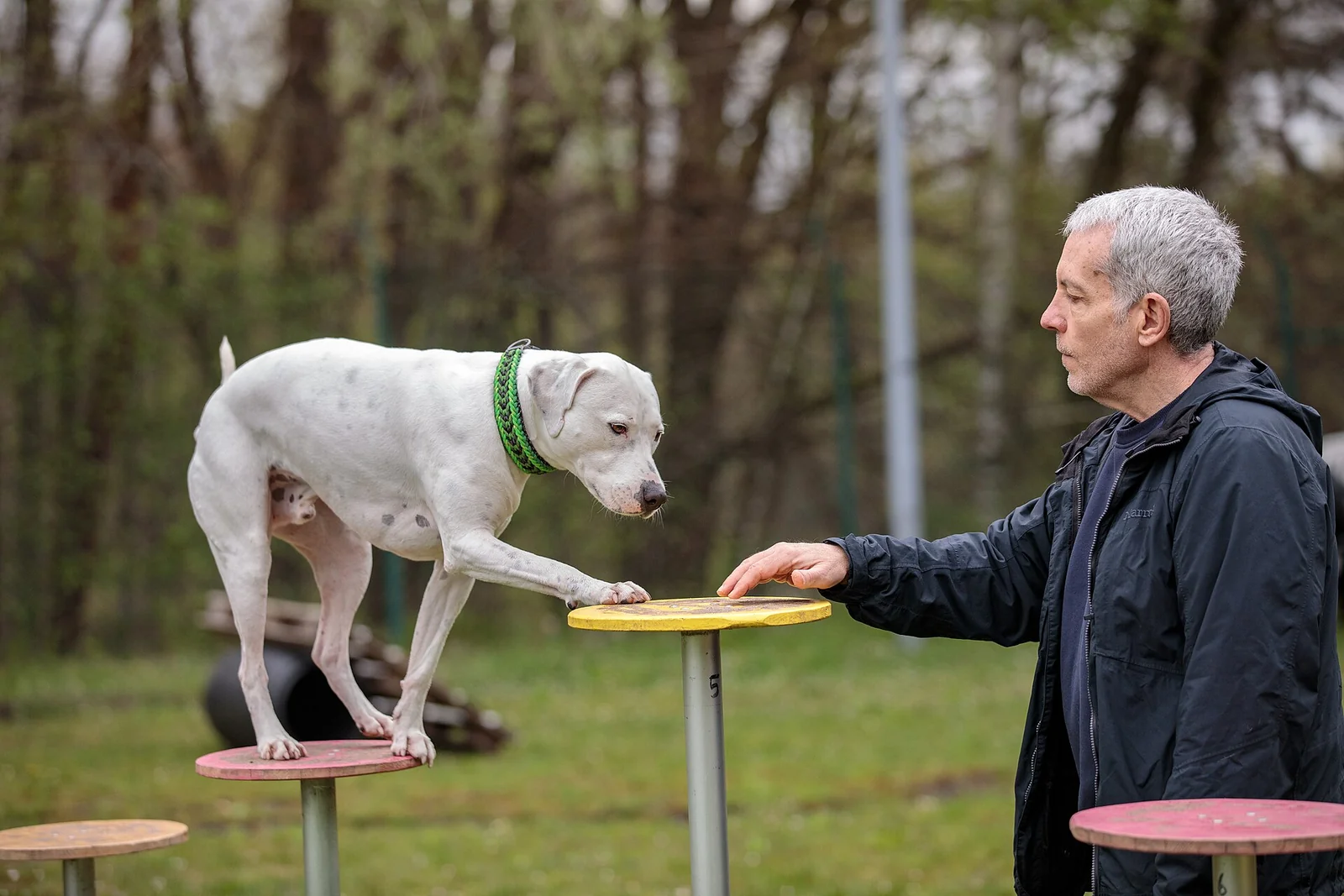
Introduce tools gradually, reward calm participation and keep sessions brief enough to end comfortably. Teach a useful position such as standing on a mat. If the dog repeatedly turns away, struggles or reacts to one area, consider discomfort rather than assuming stubbornness.
Check that collars and harnesses do not create hidden friction or tangles. Dry the coat appropriately after wet weather, and arrange professional help before small knots become an extensive problem. A regular schedule is easier on both dog and owner than occasional rescue sessions.
Dogs do not need to resemble rugs, storybook characters or social-media celebrities to be good companions. Enjoy the coat you love, but choose a routine you can maintain. The best-looking dog is one who can move freely, rest comfortably and tolerate their care without a battle.
Further reading: Responsible dog ownership.
Illustrative photo · daveynin · CC BY 2.0