Archive date follows the original topic. Independently written and reviewed by idoghome on October 29, 2026.
A dog can meet an activity target and still be uncomfortable. Another may have a quiet day because the weather changed or the household stayed home. Numbers from a collar become useful when you connect them with what your dog is doing, rather than treating a daily score as a health verdict.
Muscle care starts with that same attention. The goal is comfortable, sustainable movement and appropriate nutrition, not a more muscular-looking dog or a higher ranking on an app.
Get a baseline you can recognise
Notice how your dog rises after sleep, walks on a familiar route and recovers after normal activity. Short videos taken from a safe position can help you compare movement later. Do not repeatedly ask for a difficult movement just to capture it on camera.
Keep activity notes alongside tracker data. Write “short route because of rain” or “visitors and less sleep” next to an unusual day. Check whether the device was charged and worn normally before interpreting a sudden drop.
Weight and muscle are different questions
A dog can carry extra fat while losing muscle. AAHA's senior nutrition guidance explains why both body condition and muscle condition matter. Ask your veterinary team to show you what they are assessing, especially if your dog's shape or stamina has changed.
This matters for a Doberman just as it does for a smaller mixed-breed dog. An online breed weight range is broad background information, not a personal target. Age, frame, health and current condition belong in the conversation before adjusting food or exercise.
Build activity around comfort
Choose predictable, manageable opportunities to move. A steady walk on suitable footing may be more useful than an occasional burst of frantic chasing. Rest matters too. If a dog is stiff, reluctant or unusually tired after an outing, review the plan instead of increasing the next session to compensate.
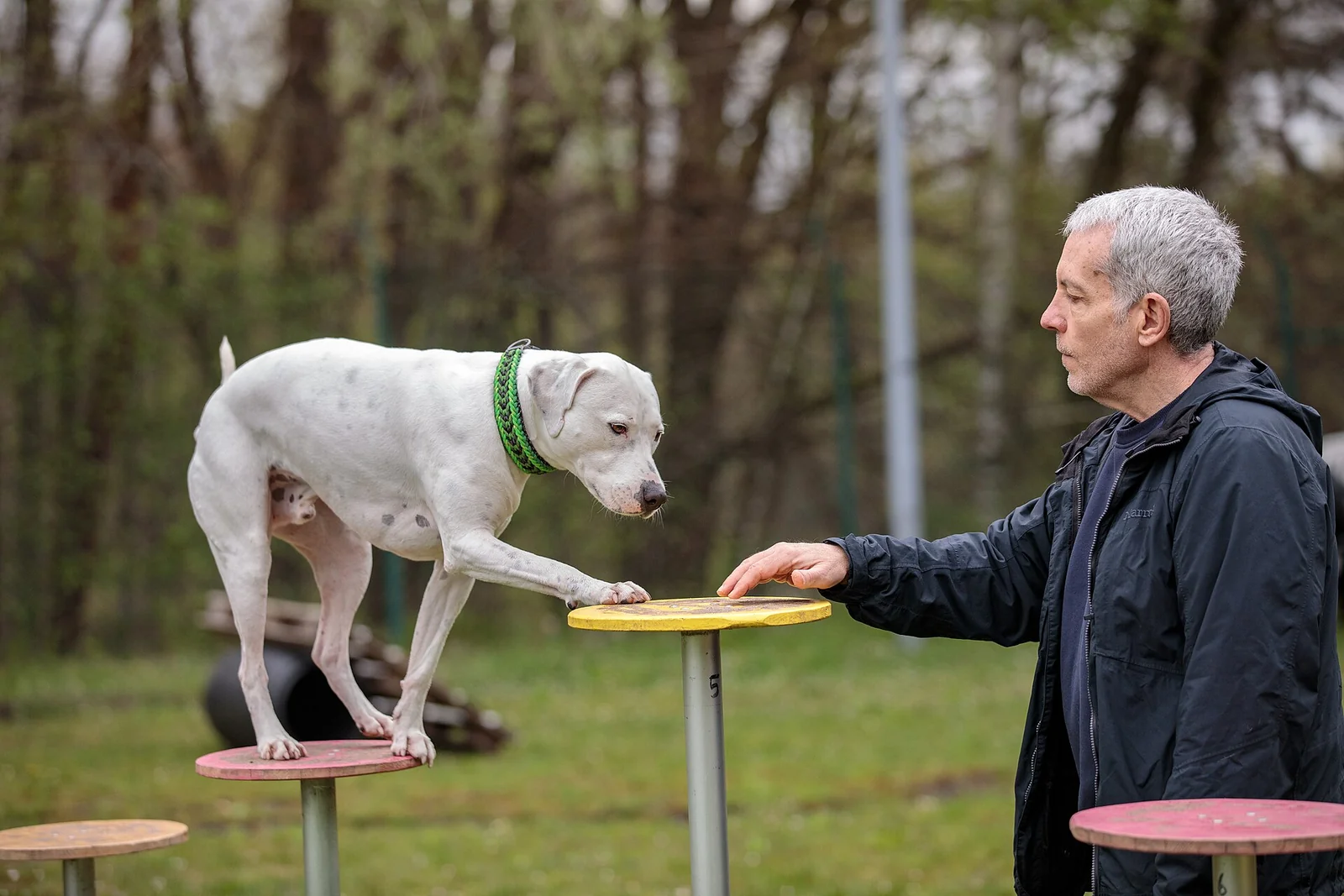
Rehabilitation can be useful when illness or injury changes movement. Cornell's rehabilitation service describes individually assessed care rather than one exercise programme for every dog. Balance equipment, resistance work and stretching should have a clear purpose and professional guidance when a dog has mobility problems.
Use food to support the whole dog
A complete diet appropriate to the dog's life stage is the starting point. Do not add bodybuilding supplements or large quantities of protein foods simply because an article mentions muscle. The WSAVA nutrition resources can help structure questions about diet suitability.
Contact your vet about persistent activity decline, unexplained weight loss, weakness or a new gait change. Sudden inability to stand needs urgent assessment. Bring the useful parts of your record: a few clear observations and trends over time. Your dog's comfort remains the main measurement, even when the screen offers a more exciting number.
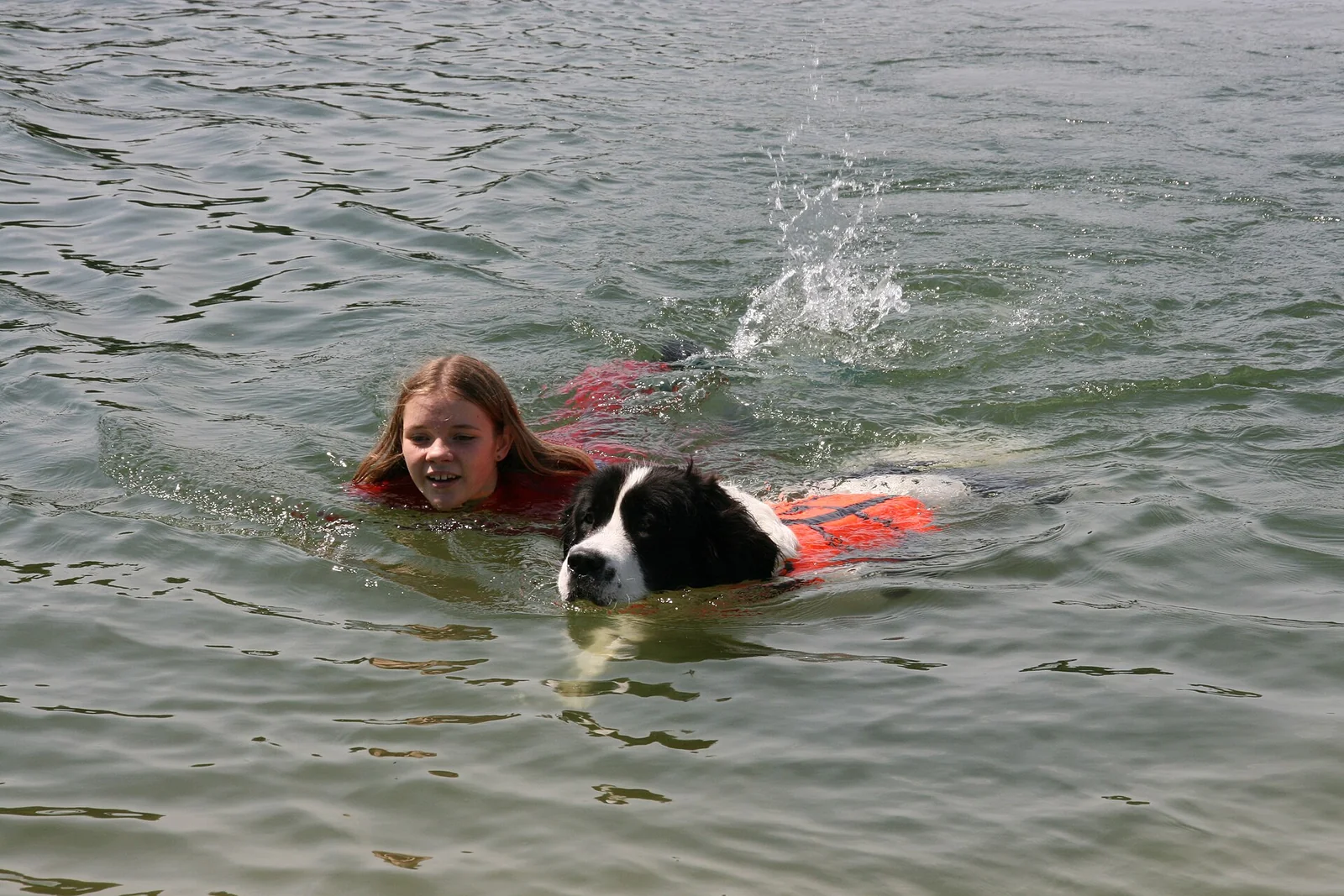
Illustrative photo.