Archive date follows the original topic. Independently written and reviewed by idoghome on October 29, 2026.
A car is full of new sensations for a puppy: doors shutting, a moving view and a floor that starts to vibrate. It is a lot to introduce at once. When possible, separate those experiences into small, manageable steps before a longer journey.
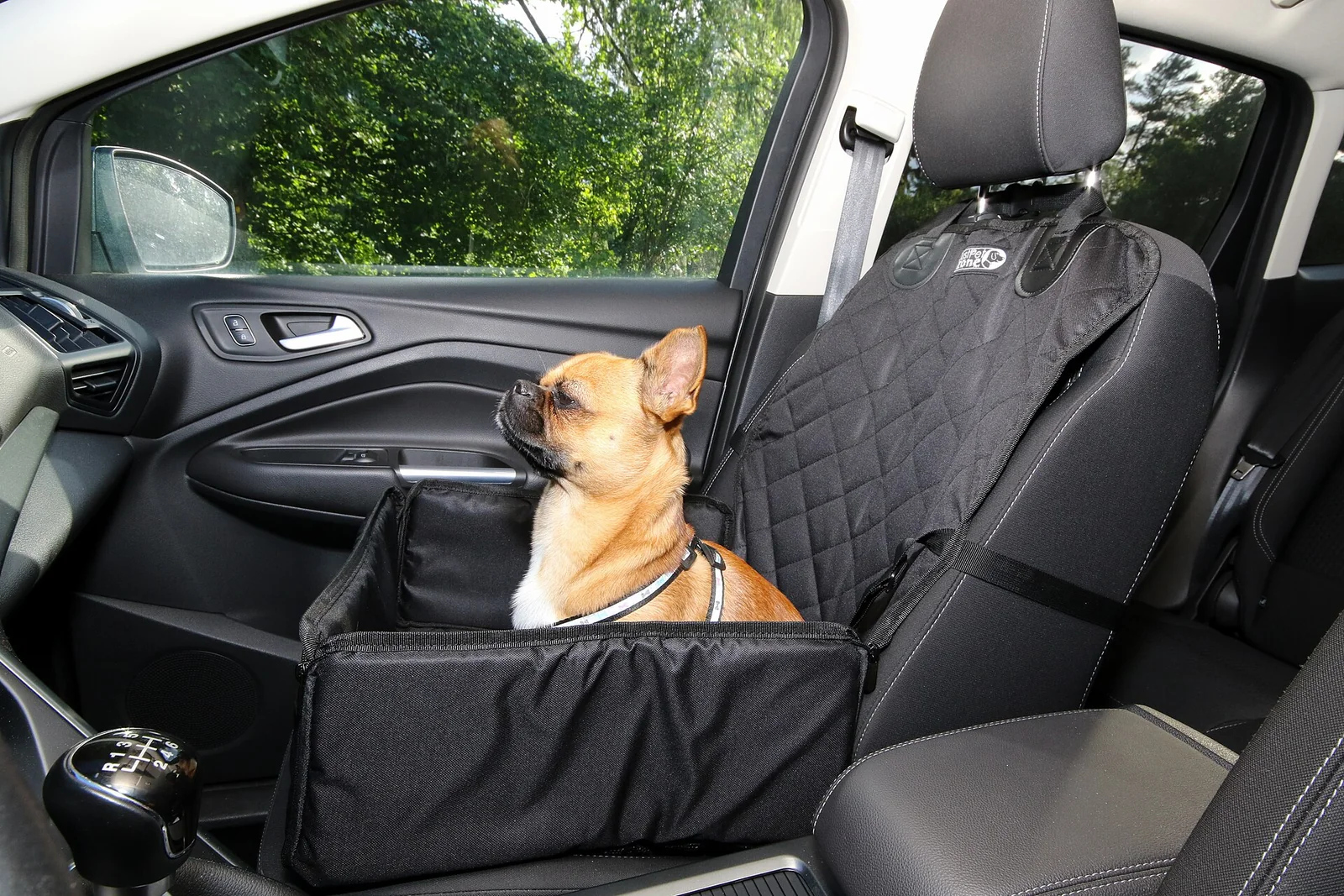
Begin by deciding how the puppy will travel securely. A lap is not a substitute for a suitable restraint or properly secured crate. Prepare the equipment before collection day so you are not working out fastenings with an excited puppy beside you.
Start with the parked car
Let the puppy investigate at a comfortable pace while you supervise. Keep the car in a safe place and pay attention to the temperature. Practise getting in, settling briefly and getting out again without turning every session into an actual drive.
Use the equipment according to its instructions and check that the puppy can rest comfortably. Avoid asking them to remain in it for longer simply because they were quiet for a moment. Comfortable practice is the aim, not seeing how much they will tolerate.
Make the first journeys easy to finish
Choose a short route with somewhere safe to stop if needed. If another responsible person can come along, one person can drive while the other observes the puppy without distracting the driver. Keep voices and handling calm.
Try ending some journeys with a pleasant, appropriate experience rather than making every car outing a veterinary visit. That might be a short rest somewhere quiet or a suitable outing agreed with your vet for the puppy's age and protection. You do not need a busy destination to make the trip worthwhile.
Notice signs that the puppy is not coping
Watch for repeated drooling, vomiting, persistent distress or a change from the puppy's usual behaviour. Motion sickness and fear can overlap, and a dog cannot explain which part is difficult. Speak to your vet early instead of repeatedly testing whether the puppy will grow out of it.
Blue Cross advises seeking veterinary help for anxious travel or car sickness. Ask about feeding around journeys and any treatment rather than giving human travel medication or following an online dose.Plan the stops before the long trip
When you need to travel farther, build in opportunities for water, rest and toileting that suit the puppy. Choose secure stopping places and attach the lead before opening doors. Check local exposure and vaccination advice with your vet when deciding where a young puppy should walk.
Keep towels and cleaning supplies accessible, with cleaning products safely stored. A spare washable layer can save a long search through luggage after an accident. Pack the puppy's familiar food and necessary records rather than expecting to buy everything on arrival.
Avoid the easy-to-miss shortcuts
Never leave the puppy unattended in the car, and do not allow a head out of the window. Keep bags from falling into the puppy's space and secure loose equipment. If a journey cannot be made comfortable and safe, change the plan rather than expecting a small dog to adapt to the timetable.
Progress may be uneven. A quiet ten-minute outing can be useful even when you hoped to manage twenty. Keep the next attempt easy enough to build on what went well, and let the puppy learn that the car is an ordinary part of life.
Illustrative photo · Jernej Furman from Slovenia · CC BY 2.0